Introduction
Some musical memories begin with a familiar voice coming through a kitchen radio. Others return with the sound of four men singing together, their harmonies so recognizable that a listener hardly needs to hear the opening line. For those who grew up with The Statler Brothers, that sound still carries a particular warmth: polished yet approachable, spirited yet capable of revealing something quietly sorrowful beneath the surface.
Their story also belongs to one of the most remarkable chapters in Johnny Cash’s career. Beginning in 1964, the quartet joined Cash’s touring show, opening performances and providing backing vocals during an association that lasted more than eight years. Those years gave the Statlers a place before a growing audience and brought their distinctive harmony into the world of a performer whose presence could command almost any room.
On January 13, 1968, that room was inside Folsom State Prison in California. The Statler Brothers were among the artists who accompanied Cash for the two performances that day, an occasion preserved in the history of At Folsom Prison. Their contribution included “Flowers on the Wall,” heard before Cash’s own set—a striking setting for a song whose cheerful movement conceals a much lonelier interior.
Written by the group’s tenor, Lew DeWitt, “Flowers on the Wall” had already introduced a broad audience to the Statlers’ unusual musical personality. Its country success carried over to the pop charts, helping establish a quartet whose appeal reached beyond the usual boundaries of the genre. Yet the recording’s lasting fascination lies in the way it invites two different responses at once: a smile at its wit and a second thought about the person telling the story.
Listen closely, and the brightness begins to feel like a carefully maintained front. The narrator insists that he is managing perfectly well, while the small routines he describes suggest withdrawal and emptiness. The harmonies keep everything moving with remarkable ease. That tension gives the performance its character. The singers never need to overstate the sadness; the listener has room to discover it.
Heard against the background of Folsom, those themes invite an especially thoughtful reading. A song about passing time, defending one’s solitude, and finding occupation within a confined daily world takes on another shade of meaning in a prison. We cannot know what every man in that audience felt. We can recognize how the setting allows familiar words to reach the ear differently.
For older listeners, this is part of what makes The Statler Brothers worth returning to. Their music rewards attention without demanding it. A tune can provide easy company on a long drive, then reveal an unexpected depth when heard again years later. Their humor, precise phrasing, and beautifully balanced voices leave space for the experiences listeners bring with them.
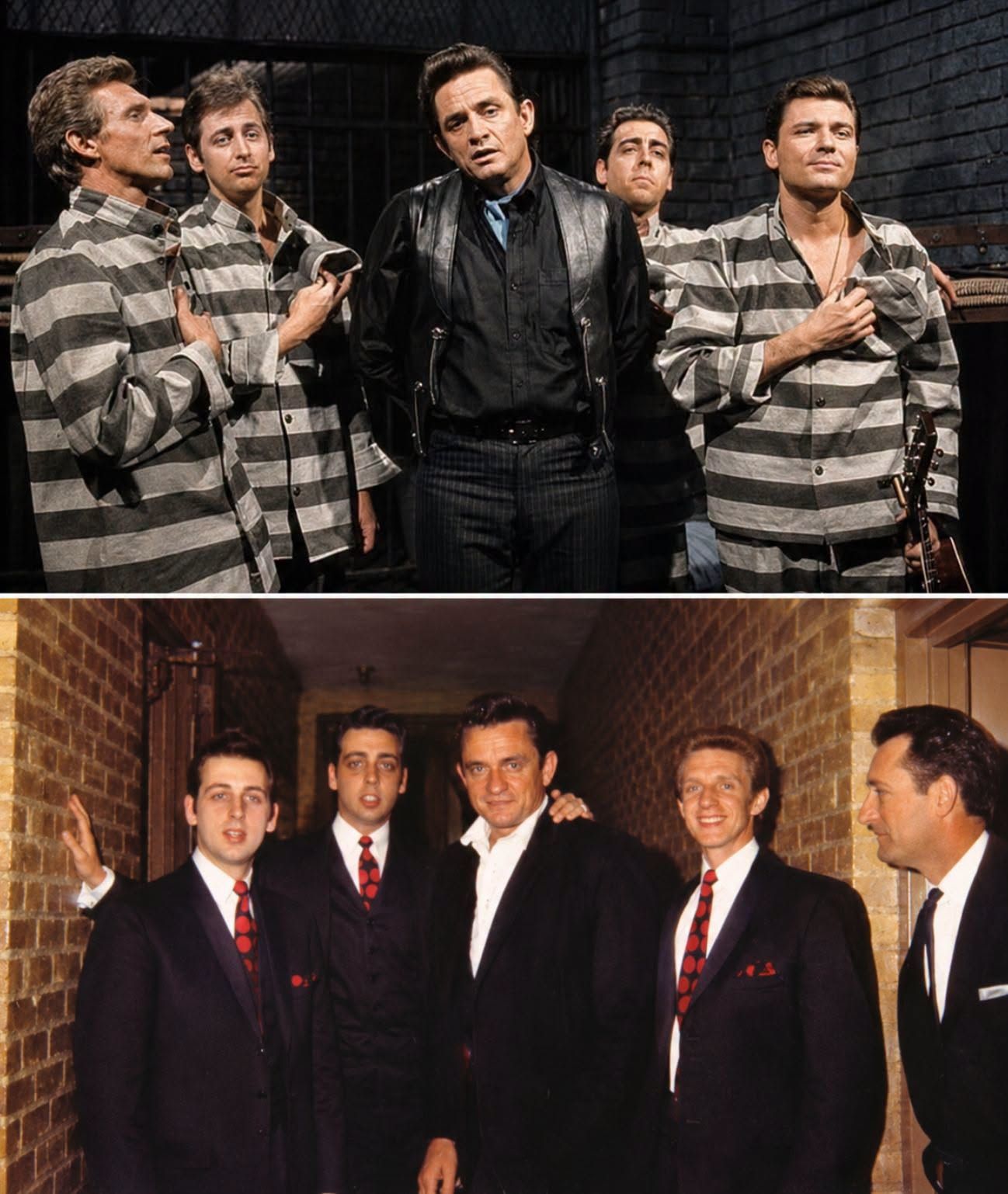
Remembering their years beside Johnny Cash also restores the Statlers to the larger picture. They were participants in a shared musical life, bringing their own sound and sensibility to stages that became part of American cultural memory. At Folsom, “Flowers on the Wall” offered one memorable expression of that individuality.
And sometimes, one familiar harmony is enough to bring an entire season of life back into focus. Which Statler Brothers song or memory still stays with you the most?