Introduction
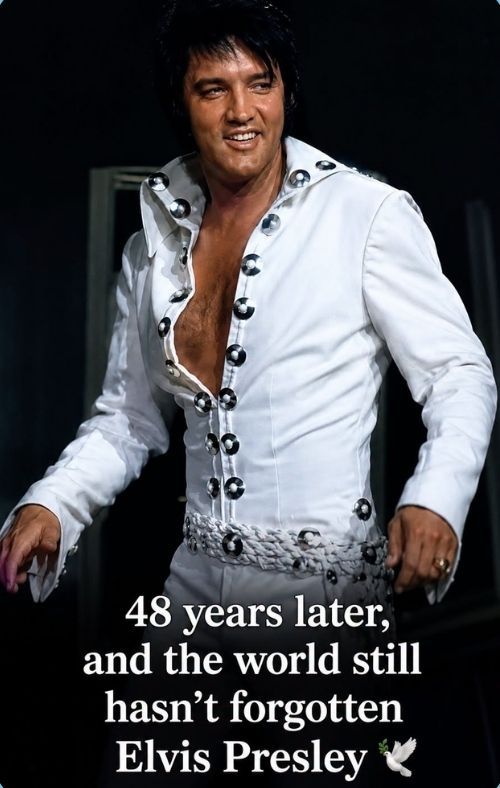
To the world, Elvis Presley seemed to have everything. He was one of the most famous entertainers in history, adored by millions and celebrated wherever he went. Yet people who cared for him behind the scenes later revealed that his greatest battle was not with fame, but with the quiet loneliness that followed it. As his health declined in the final years of his life, so did the happiness that had once defined him.
There are certain voices that become so deeply woven into public memory that it is difficult to imagine the human being behind them. Elvis Presley possessed such a voice. It could sound commanding one moment and remarkably tender the next, carrying confidence, longing, faith, regret, and hope with an emotional honesty few performers could equal. To his audiences, he appeared larger than life—a figure surrounded by bright lights, roaring crowds, and the unquestioned authority of a cultural king.
But the brightest stage can cast the longest shadow.
Behind the famous smile, the carefully designed costumes, and the unmistakable opening notes of his concerts was a man carrying responsibilities that few people could fully understand. Every concert carried the weight of living up to the image of “The King.” Elvis was not simply expected to sing well. He was expected to represent an entire era, preserve a legend, and somehow remain the young, energetic performer the public remembered from years before.

 Those expectations became increasingly difficult to meet as his health weakened. The audience often saw only the moment when the curtain opened. They did not see the hours beforehand—the worry, the fatigue, the physical discomfort, or the fear that he might disappoint people who had traveled great distances just to hear him sing. Elvis had spent his career giving everything he had to an audience. In his final years, the desire to continue giving remained, even when his strength was no longer what it had once been.
While fans saw the legend on stage, Elvis was privately struggling with exhaustion, disappointment, and the fear that he could no longer be the man they remembered.
This is what makes the later chapters of his story so moving. His struggle was not simply about declining health or the pressures of celebrity. It was about identity. When a person has been told for decades that he is extraordinary, what happens when he begins to feel ordinary, vulnerable, or uncertain? When the world calls someone a king, where can that person go when he needs permission to be tired?
Elvis remained surrounded by people, yet companionship and genuine closeness are not always the same thing. Fame had given him access to almost everything, but it could not guarantee peace of mind. It could fill an arena, but it could not necessarily fill the silence after the audience had gone home. The public celebration of Elvis Presley was enormous, but the private world of the man himself could be painfully small.
At the center of that private world was his daughter, Lisa Marie Presley. To millions, Elvis was a musical icon. To her, he was simply her father—the man whose presence made Graceland feel safe and whose affection remained among her earliest and most powerful memories.
No one felt his loss more deeply than his daughter, Lisa Marie Presley. She was only nine years old when her father died. A child at that age may understand that someone is gone, but understanding does not make the absence easier. Lisa Marie carried the memory of her father into adulthood, along with the complicated burden of belonging to one of the most famous families in modern history.
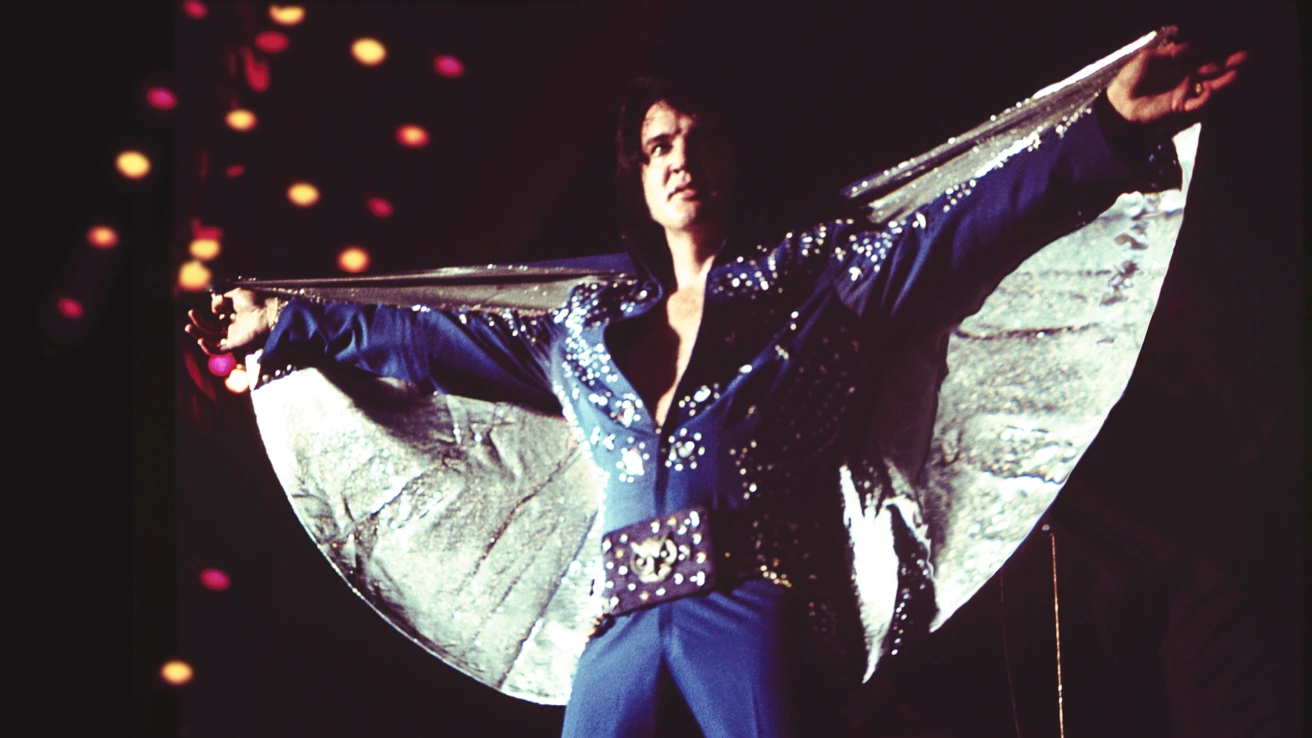
She later described dreams in which her father seemed to return. In those dreams, his voice was familiar, his presence comforting, and the distance between life and memory briefly disappeared. She could hear his voice, feel his embrace, and believe, if only briefly, that he was still by her side. Waking from such a dream must have brought both gratitude and sorrow—the comfort of having seen him again, followed by the realization that the reunion had lasted only for the night.
Yet those dreams were not merely reminders of loss. They became evidence of a love that had survived time. For Lisa Marie, the bond between father and daughter was not erased by death. It continued through memory, music, familiar rooms, family stories, and the quiet moments when the past felt close enough to touch.
Love does not disappear simply because someone is gone.
That may be the most important truth within the Elvis Presley story. His influence can be measured through record sales, historic television appearances, sold-out concerts, and generations of singers who followed his example. But numbers alone cannot explain why his story continues to affect people so deeply. The enduring fascination comes from the contrast between the public triumph and the private vulnerability.
Elvis gave the world a remarkable collection of songs, but his life also offered a quieter lesson. Success cannot protect a person from loneliness. Applause cannot replace understanding. A famous name cannot remove the need for family, kindness, rest, and unconditional love.
To history, he will always be remembered as the King of Rock and Roll. To those who loved him, however, he was something far more personal: a son, a friend, and a father whose tenderness mattered more than any title.
While a legend may leave the stage, the love shared with family never truly fades.