Introduction
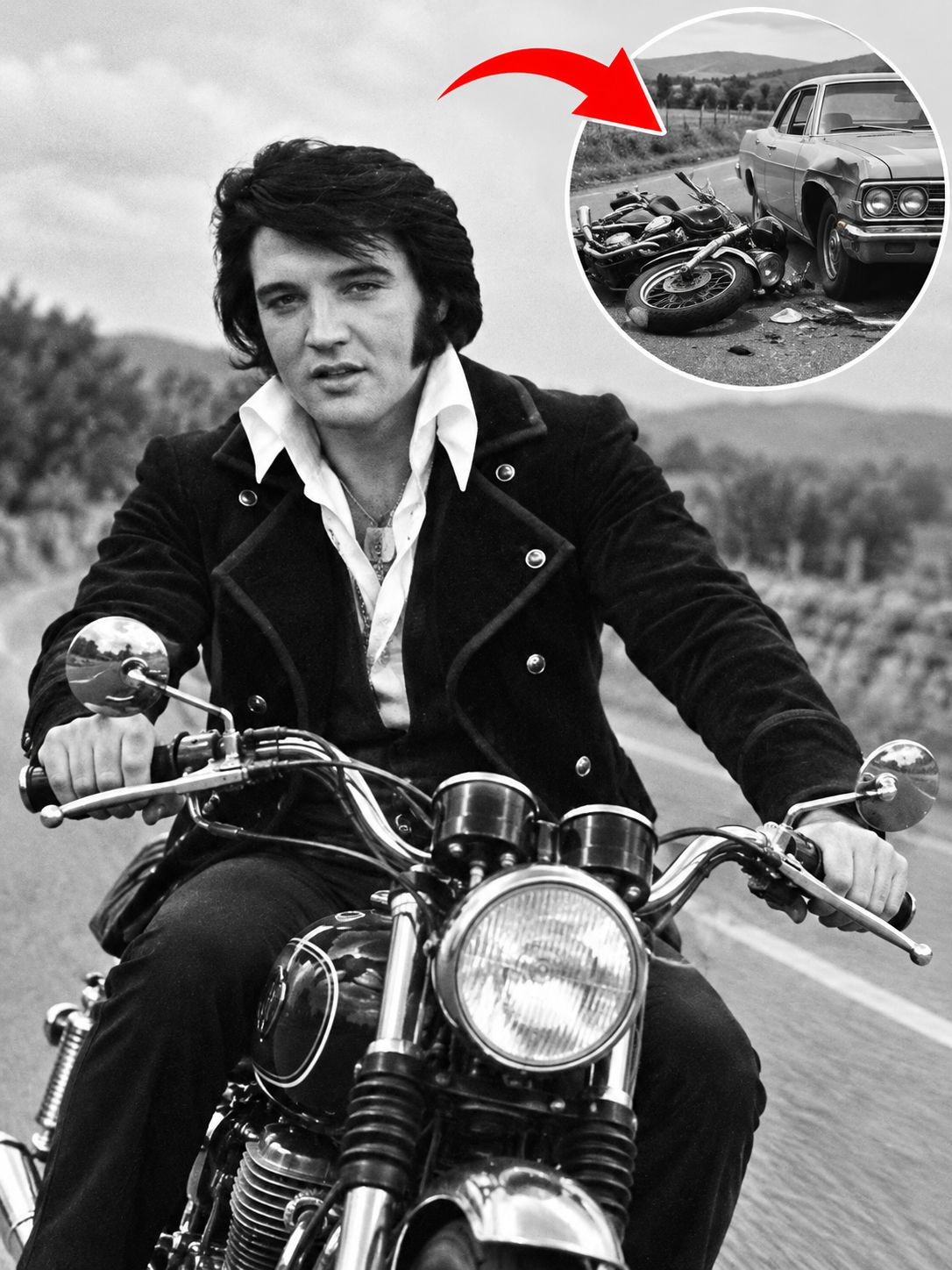
There is something deeply unsettling about watching a beloved performer when you already know what comes next. A familiar smile seems more fragile. A pause between songs feels longer. A voice that once filled the family living room suddenly carries the weight of everything time would take away. With Elvis Presley, that feeling is especially powerful, because the distance between his extraordinary presence and his early death remains so difficult to comprehend.
“ELVIS KNEW SOMETHING WAS WRONG? The Haunting Signs That Appeared Before the End…” poses a compelling question. Yet any thoughtful examination must acknowledge a limit: we cannot know precisely what Elvis understood about his future. Looking backward can make ordinary gestures appear prophetic. His final performances deserve careful attention, but they cannot establish that he foresaw his death.
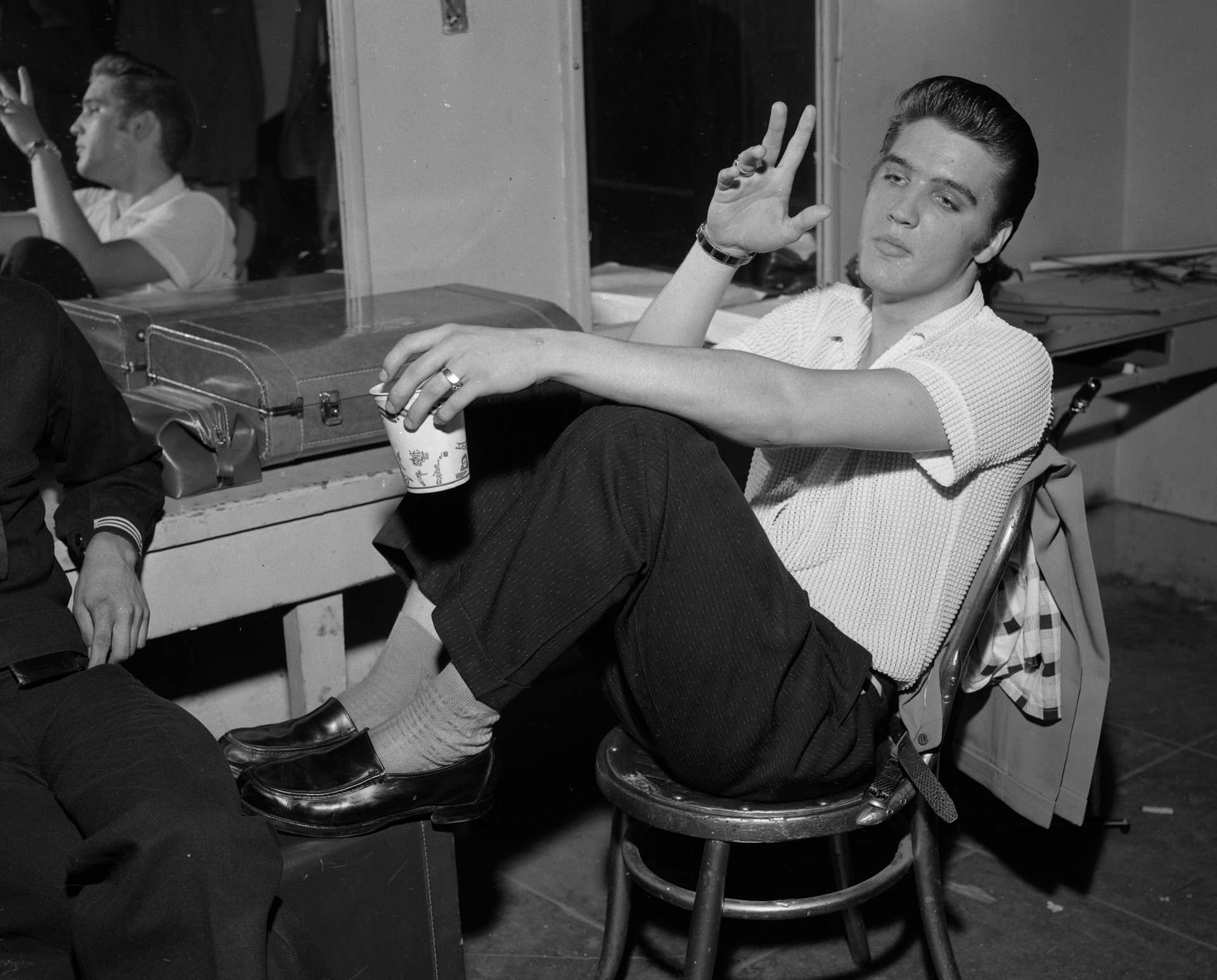
What the historical record does establish is poignant enough. Graceland’s account of his later career describes health difficulties and hospitalizations alongside an ongoing schedule of recording and performing. Behind the public image was a man whose life had become increasingly demanding. The glittering costumes and enthusiastic audiences could not make those pressures disappear.
For listeners who grew up with Elvis, this chapter can be difficult to revisit. His music accompanied courtships, long drives, military service, weddings, and quiet evenings at home. Watching his later appearances brings those personal memories into contact with something less comfortable: the recognition that even an apparently inexhaustible entertainer has limits.
The most revealing way to approach this period may be through the music itself. Consider “Unchained Melody,” which Elvis performed at the piano in Rapid City, South Dakota, on June 21, 1977. His official music catalog identifies that recording as a performance captured for the television special Elvis in Concert. Heard today, it offers an affecting encounter with his ability to shape a familiar melody into something intensely personal.
There is longing in his phrasing, but longing is also part of the song. There is emotional intensity, but emotional intensity had always been central to his artistry. Calling the performance a deliberate farewell would claim more than the evidence allows. Its power comes from what listeners can actually hear: the concentration, the dramatic rise of a phrase, and the remarkable emotional reach of his voice.
His final concert followed on June 26, 1977, at Market Square Arena in Indianapolis. Elvis died at Graceland on August 16, aged 42. Those dates give the surviving recordings an emotional significance that neither the singer nor his audience could have fully shared during the performances themselves.
That distinction matters. We hear the ending whenever we revisit the music; the people in the room were experiencing another evening with Elvis. Their applause belonged to the present. Our sadness comes partly from the future we bring into it.
Perhaps that is why these performances continue to hold older listeners so closely. They invite us to look beyond the famous silhouette and recognize the person carrying it. The question of whether Elvis knew something was wrong may remain unanswered. What survives with far greater clarity is his gift for reaching an audience—even across the decades, even when the listener knows how little time remained.