Introduction
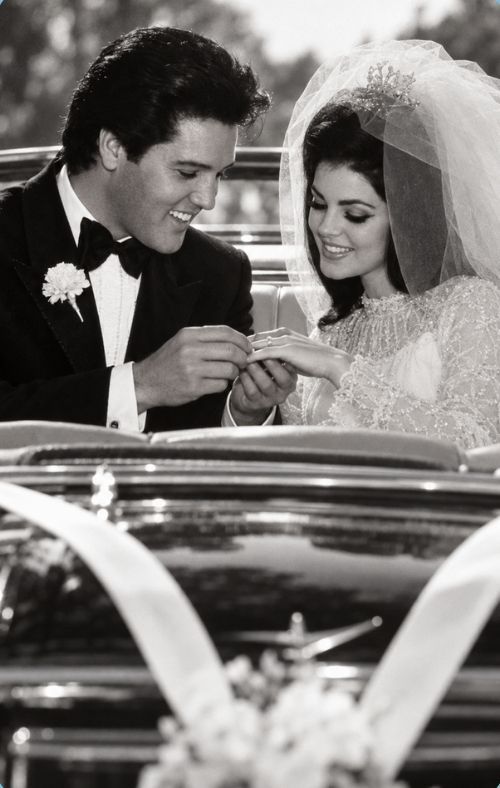
MAY 1, 1967: THE DAY ELVIS GAVE PRISCILLA THE ONE THING FAME COULD NEVER BUY… It is a compelling way to remember a wedding that still captures the imagination nearly six decades later. Yet the most revealing part of that morning was neither the jewelry nor the photographs. It was the brief space between a private commitment and the public attention that inevitably followed.
On May 1, 1967, Elvis Presley and Priscilla Beaulieu married at the Aladdin Hotel in Las Vegas. Their civil ceremony lasted approximately eight minutes and took place before a small gathering of guests in a private suite. For a performer whose appearances could attract overwhelming attention, the modest scale of the ceremony remains striking. One of the most recognizable voices in the world entered marriage in a room far smaller than the audiences accustomed to hearing him sing.
It is tempting to turn that morning into a fairy tale in which Priscilla boarded a plane without knowing she would soon become a bride. However, accounts of their wedding describe careful preparations, rather than establishing that she was unaware of the marriage plans. The secrecy concerned keeping those arrangements from the public. That distinction matters: the true story already contains enough intrigue without giving Priscilla thoughts or surprises that the historical record does not support.
For listeners who grew up with Elvis Presley, the emotional appeal of this occasion is easy to understand. His recordings could make an enormous audience feel that he was speaking to each person individually. In a tender ballad, the familiar power of his voice often gave way to something gentler: hesitation, warmth, or the quiet weight of a promise. Looking at his wedding photographs, we may recognize a similar tension between the commanding public figure and the individual trying to experience an ordinary human milestone.
Privacy, however, should be understood here as an interpretation of the ceremony’s significance, rather than a proven explanation of Elvis’s intentions. The wedding arrangements were managed with the involvement of Colonel Tom Parker, and the private ceremony was followed by a press conference and a larger breakfast reception. Publicity was therefore part of the day’s design. The couple had a protected ceremony, but their marriage quickly became a public event.
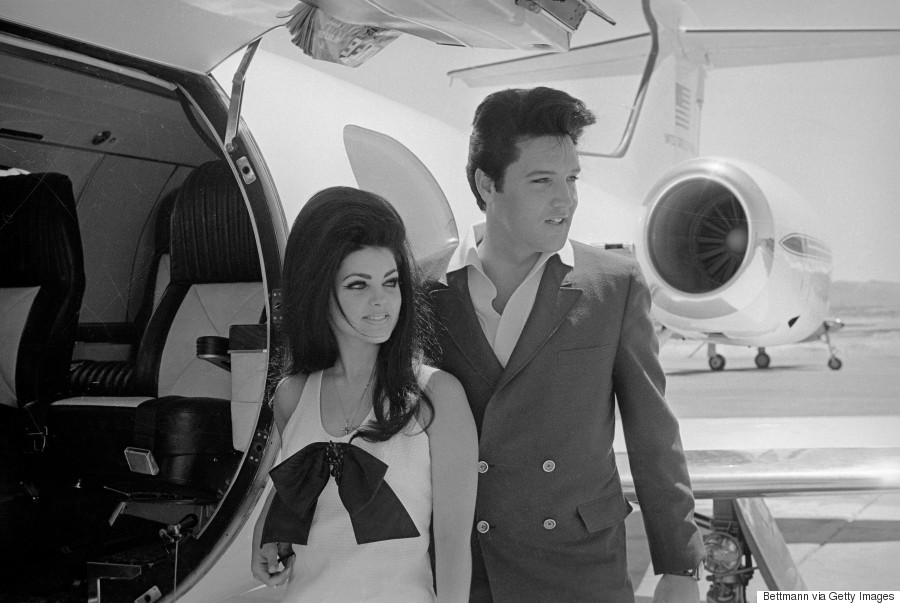
That combination makes the story more interesting. A wedding can belong to the people exchanging vows while its images belong, almost immediately, to millions of strangers. For Elvis and Priscilla, the boundary between those experiences was unusually thin. The intimate ceremony allowed their commitment to take place before the machinery of celebrity resumed around them.
Older readers may find something especially moving in that small interval. With time, many of us learn that the most valuable part of a celebration is often difficult to photograph. It may be the chance to hear someone clearly, to stand beside family, or to make a promise without interruption. Diamonds and beautiful clothes can mark an occasion, but they cannot guarantee that feeling of being present.
We cannot know from the wedding arrangements alone exactly what Elvis hoped to give Priscilla that morning. Still, we can appreciate what the private setting made possible: a few minutes in which the vows came first. That is a thoughtful way to revisit Elvis and Priscilla’s wedding—with affection for its beauty and respect for its complexity.
The photographs preserved the famous couple. The ceremony, however briefly, gave two people room to become husband and wife.