Introduction
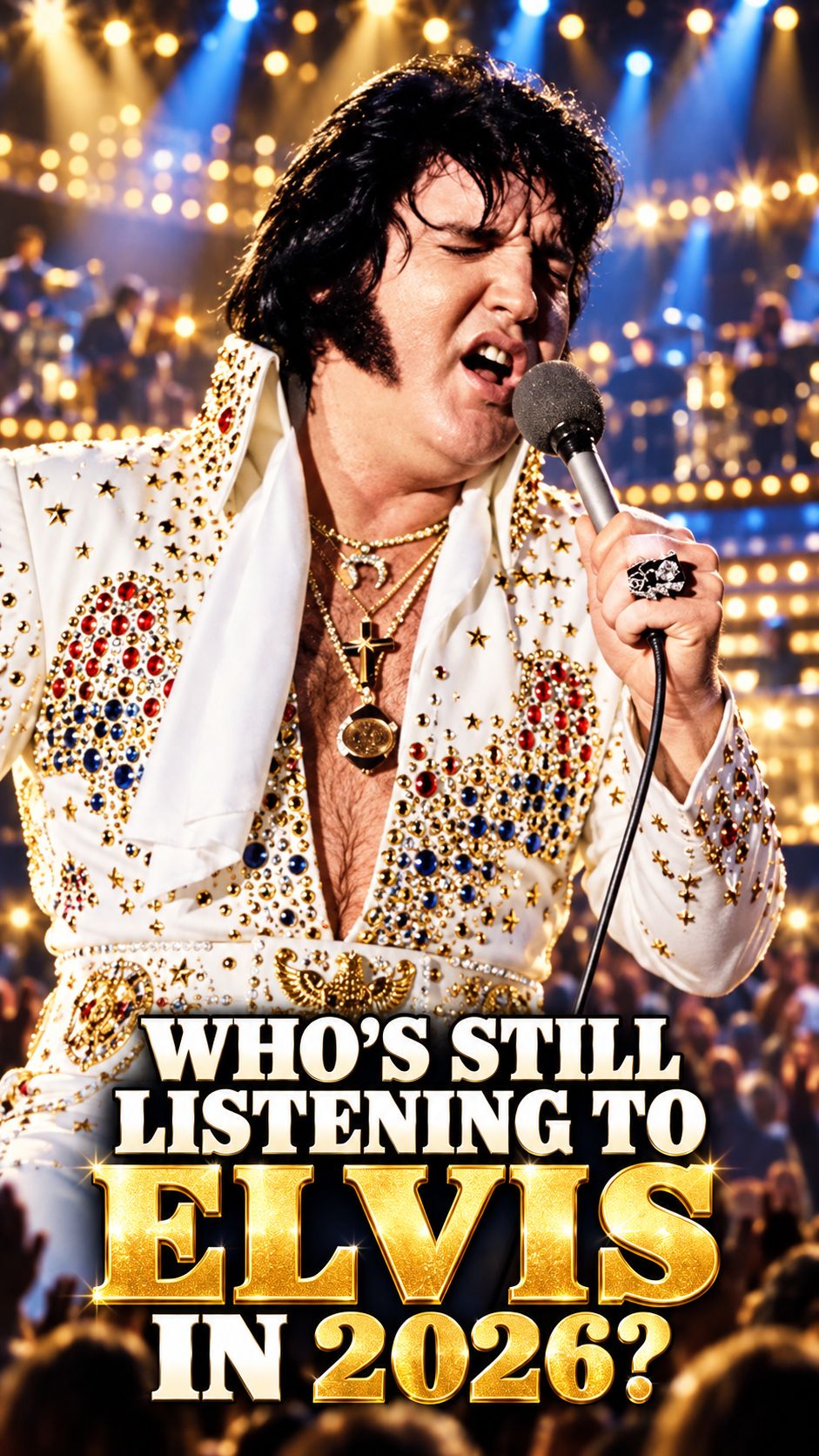
Some performances impress us with their energy; others stay with us because they seem to understand something about our own lives. Elvis Presley’s “My Way,” performed during Aloha from Hawaii in Honolulu in 1973, belongs to that second category. Beneath the grandeur of the occasion lies a song about choices, endurance, and the difficult business of looking back honestly. Hearing Elvis sing it, we encounter more than a celebrated voice. We hear an interpreter who gives familiar words a powerful sense of personal conviction.
For listeners who have lived through changing times, raised families, weathered disappointments, and learned to appreciate small victories, “My Way” offers an especially meaningful reflection. Its narrator does not claim to have avoided mistakes. Instead, he acknowledges that a life can contain regrets and still possess dignity. That distinction gives the song its emotional weight. It speaks to people who understand that wisdom often arrives through experience, and that experience rarely follows a tidy plan.
Elvis Presley approaches this material with a measured seriousness. The opening allows his voice to settle into the melody without rushing toward the dramatic passages ahead. His phrasing feels deliberate, giving each thought room to register. There is warmth in the lower notes, but also a firmness that keeps the performance from becoming merely sentimental. He sounds engaged with the song’s central question: how does a person take responsibility for the life he has lived?
As the arrangement grows, Elvis responds with increasing vocal strength. The contrast between the restrained beginning and the fuller later passages creates a compelling emotional progression. Yet the performance’s effectiveness depends on more than volume. His sustained notes and carefully placed emphasis give the music a sense of resolve. The orchestral support broadens the sound, while his voice remains the center of attention—the human element within a presentation of considerable scale.
The Aloha from Hawaii setting adds another dimension. Elvis stands before an audience as an established performer whose public image carries enormous confidence and recognition. In “My Way,” however, that commanding presence serves a reflective song. The result is an absorbing balance between spectacle and inward thought. The stage is grand, but the questions are ordinary ones: What mattered? What did I learn? Can I accept the decisions that brought me here?
It is tempting to hear this performance entirely through the lens of what happened later in Elvis’s life. But it deserves to be appreciated within its own moment, in 1973, as the work of a singer bringing concentration, control, and dramatic instinct to a demanding piece. The song’s references to endings need not turn the performance into a prediction. They belong to its broader meditation on living with purpose.
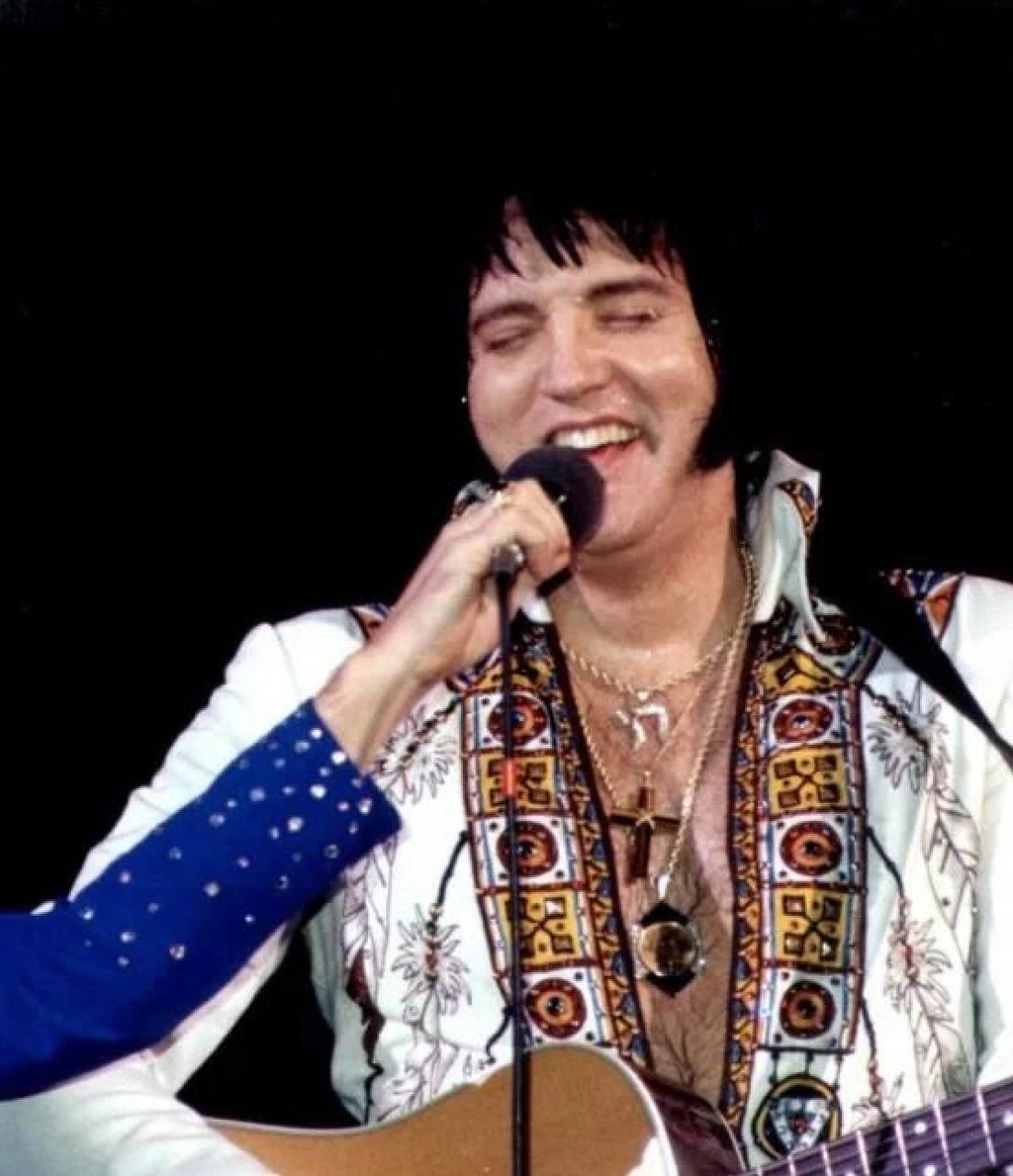
What makes Elvis Presley’s “My Way” endure is the conviction he brings to that meditation. He gives the song strength without removing its vulnerability. For older listeners especially, it can feel like an invitation to consider their own journeys with greater patience: to recognize the wrong turns, remember the courage required to continue, and find some measure of peace in having lived a life that was unmistakably their own.