Introduction
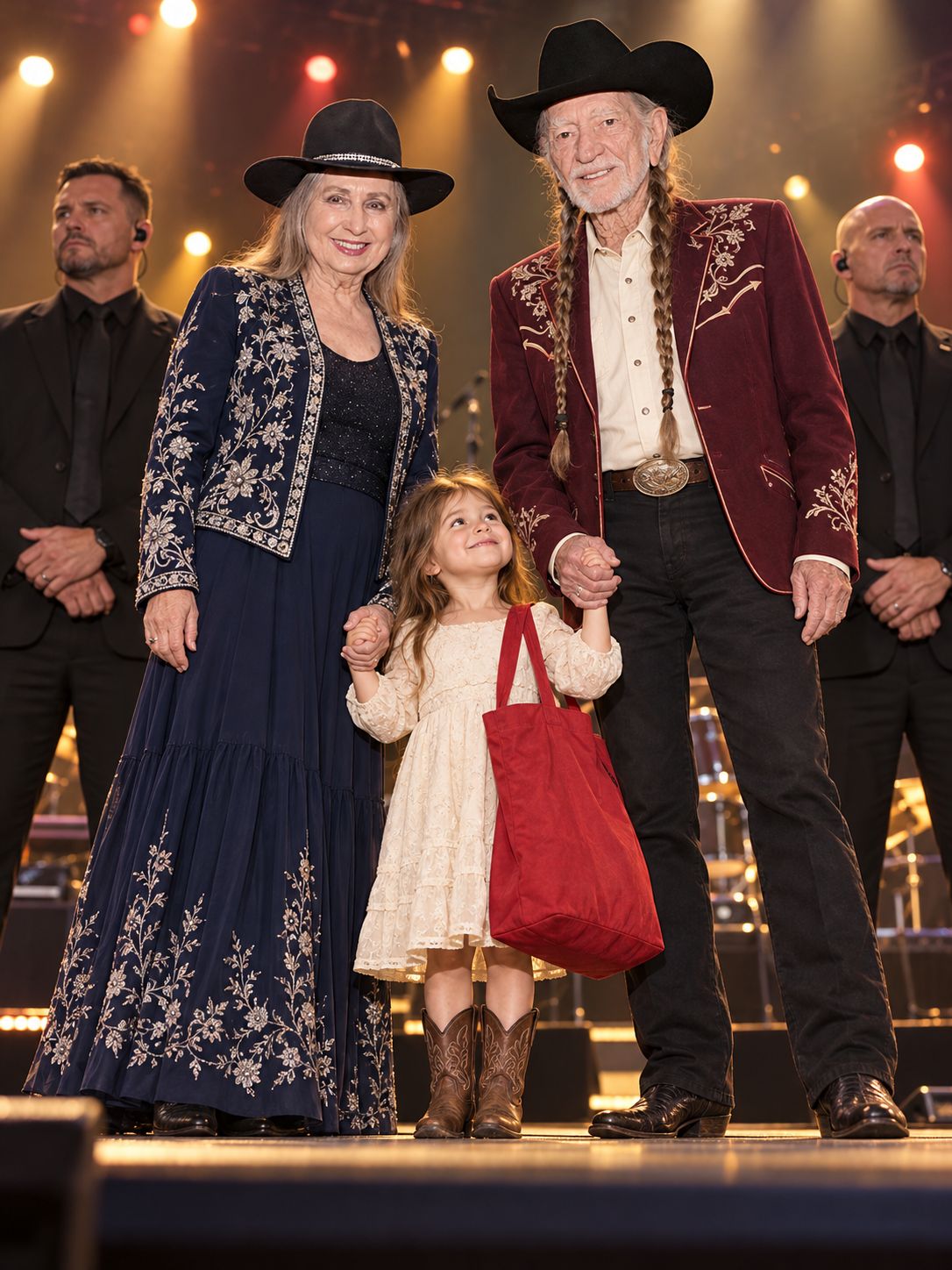
Before Willie Nelson became a familiar voice in American homes, his world was much smaller: Abbott, Texas, family, church, and the demanding work of picking cotton. His beginnings offer a revealing introduction to his music, because they remind us that an unmistakable voice can develop long before anyone thinks to call it extraordinary. Behind the relaxed phrasing and gentle humor was a boy learning how much effort an ordinary day could require.
Raised alongside his older sister, Bobbie Nelson, by their grandparents, Willie grew up in a household where music mattered. His grandparents encouraged both children’s abilities, giving them an early foundation that would outlast the hardships of childhood. Willie received a guitar at six, and he began writing songs soon afterward. These were modest beginnings, but they gave a young boy something precious: a means of expressing himself and imagining a future.
The cotton fields belonged to that childhood, too. Nelson has spoken about the music he heard among the pickers, recalling a working landscape that carried voices as well as labor. That detail deserves attention. Even in a setting he wanted to leave, there was something worth listening to. Music accompanied people through their work, offering fellowship and expression when the day itself offered little comfort.
It would be tempting to compress this history into one dramatic scene: a wounded child looking down at his hands and making a solemn promise to become a star. Yet the documented story is compelling without an invented turning point. Nelson disliked picking cotton, and playing music offered another way to earn money. As a teenager, he performed in dance halls and honky-tonks with local German and Czech polka bands. The guitar gradually became a practical opportunity as well as a creative companion.
For listeners who have spent a lifetime with his recordings, those beginnings suggest a useful way of hearing Willie Nelson’s music. His voice often sounds conversational, as though the thought matters more than the display of singing. He allows a phrase to linger, gives a simple word unexpected weight, and leaves room for the listener’s own memories. There is dignity in that restraint. A song can speak deeply without raising its voice.
We cannot trace every musical choice directly to childhood hardship. Still, his early experience provides a meaningful context for the sympathy many listeners hear in his performances. He makes weariness, regret, affection, and perseverance feel recognizable. Older audiences may respond especially strongly to that quality: the sense that the singer understands how much of life happens quietly, beyond recognition or applause.
His later commitment to Farm Aid gives this story another dimension. In 1985, Nelson joined Neil Young and John Mellencamp in organizing the first Farm Aid concert to draw attention to the loss of family farms and raise funds to help farming families remain on their land. The cause addressed a national crisis, extending his public influence toward people whose livelihoods depended on agriculture.

That work adds depth to the familiar image of Willie with his guitar. His journey invites us to consider what success can preserve: an awareness of difficult work, an appreciation for family encouragement, and a willingness to make room for other people’s struggles. Before the famous songs came a child discovering what music could offer. Listening with that history in mind, we may hear something beyond a celebrated performer—a musician whose greatest strength is making human experience feel close enough to recognize as our own.