Introduction

Few songs can capture an entire era in the first few seconds, but Bee Gees – Night Fever does exactly that. From its opening groove, the record feels less like a simple pop song and more like a doorway into a moment when music, fashion, nightlife, and youthful confidence all seemed to move under the same bright lights. Yet what makes this song endure is not only its connection to the late 1970s. It is the craftsmanship behind it—the elegant songwriting, the polished production, and the unmistakable vocal identity of the Bee Gees.
For older listeners, Bee Gees – Night Fever may bring back more than memories of dance floors and radio nights. It may recall a time when a song could travel everywhere at once: through car speakers, jukeboxes, television performances, family gatherings, and weekend celebrations. The Bee Gees had a remarkable ability to make popular music feel both sophisticated and instantly familiar. They understood melody, harmony, rhythm, and emotional lift. “Night Fever” was not merely designed to make people move; it was built to make people remember how it felt to be alive in a particular moment.
What is striking about the song is its balance. The rhythm is energetic, but never chaotic. The falsetto vocals are bright, but never thin. The arrangement sparkles, yet every instrument seems to know its place. This is music with discipline beneath the glamour. The Bee Gees were often associated with the disco era, but their deeper strength was always songwriting. Beneath the shine of Bee Gees – Night Fever lies a carefully constructed pop composition, one that understands repetition, release, and atmosphere with almost theatrical precision.
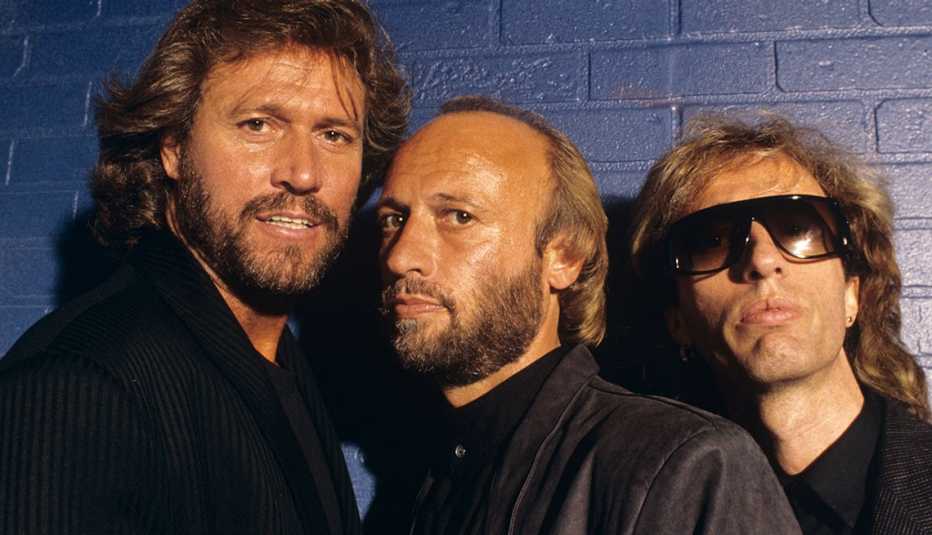
There is also something communal about the song. It does not feel private or isolated. It invites people into the same room, the same rhythm, the same shared memory. That may be why it remains powerful decades later. Even for listeners who were not there when it first arrived, the song carries a sense of occasion. It sounds like lights coming on, like a city waking after dark, like people stepping away from ordinary worries for a few unforgettable minutes.
The Bee Gees gave “Night Fever” a special kind of confidence—smooth, stylish, and unmistakably their own. Their harmonies did not simply decorate the track; they became its personality. Every phrase moves with elegance, and every chorus rises with the feeling that something larger than a song is happening.
That is why Bee Gees – Night Fever still stands as one of the defining records of its time. It is more than a dance classic. It is a cultural memory, a masterclass in pop construction, and a reminder that great music does not age when it carries real feeling beneath the rhythm.