Introduction
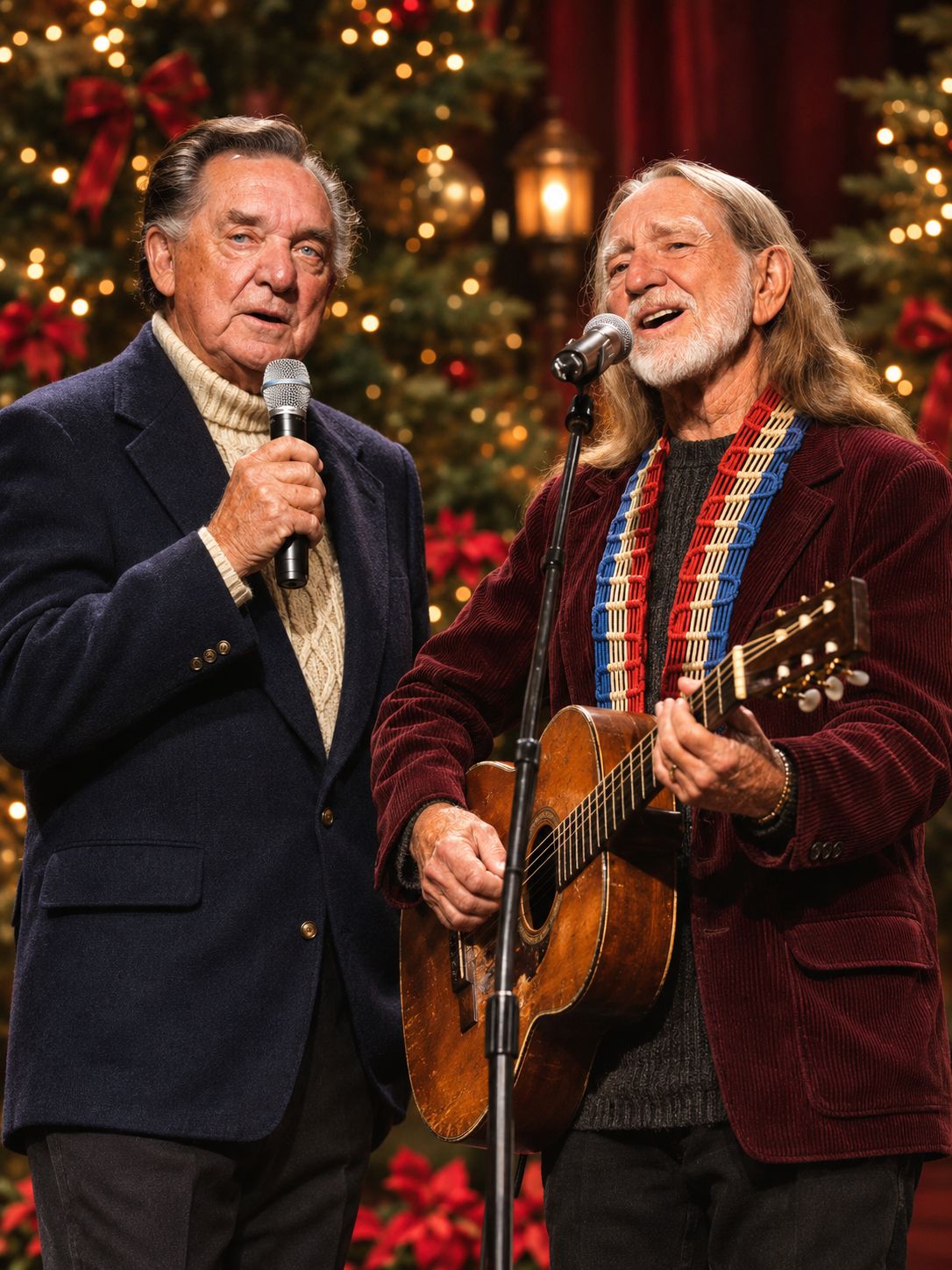
The question at the center of “Don’t You Ever Get Tired (Of Hurting Me)” sounds like something a person might rehearse all day and still struggle to say aloud. Hank Cochran understood the power of putting that question in plain language. The singer has lived with the hurt long enough to wonder whether the other person ever feels worn down by it, too. On the 1980 recording by Ray Price & Willie Nelson, that thought passes between two voices. Price gives it the weight of something he has carried for years. Nelson makes it sound as though the words have only just occurred to him.
Price already knew how much the song could hold. His 1965 solo recording appeared on The Other Woman and reached No. 11 on the country singles chart. Fifteen years later, he returned to it with Nelson on San Antonio Rose, an album that also brought their voices together on “Faded Love.” Their history went back further than either recording. Nelson had played bass in Price’s band, the Cherokee Cowboys, and that old familiarity helps explain how comfortably the two singers share a song that leaves every small difference in timing exposed.
Listen to how each man finishes a phrase. Price’s velvety baritone has a steady center, and he can sustain a note long enough for you to hear the feeling change inside it. Nelson bends the timing around the words, letting a syllable arrive just behind the beat the way a jazz singer might. That slight delay makes the next word feel chosen on the spot. When their voices come together, you can still hear their individual habits. Price carries the melody in a long, even line while Nelson’s weathered voice gives the words the uneven rhythm of conversation. The blend works because each singer leaves room for the other’s timing.
The accompaniment gives them that same room. The Texas shuffle keeps the record moving at an easy sway, while the fiddles and strings let the ache hang in the air after a line has ended. There’s a little lift in the rhythm even when the words are at their weariest. You can tap your foot through the whole performance and still find yourself caught by the question each time it comes around. The strings have sweep, but some of the most expressive moments come when the voices leave a little silence for the instruments to answer.
That interplay is a good reason to put San Antonio Rose in the conversation about country music’s finest duet albums. Price had already made the song his own, and his willingness to share it gave listeners a second way to hear it. There’s the familiar assurance of a singer returning to a song he knows well, and there’s the pleasure of hearing him listen and respond to someone with a very different sense of time. If you’ve lived with both versions, which one brings you closer to Cochran’s question: Ray Price’s 1965 solo recording or the moment Willie Nelson joins him on San Antonio Rose?