Introduction
Before the First Note: How Dolly Parton’s Quick Wit Became Part of Her Musical Magic
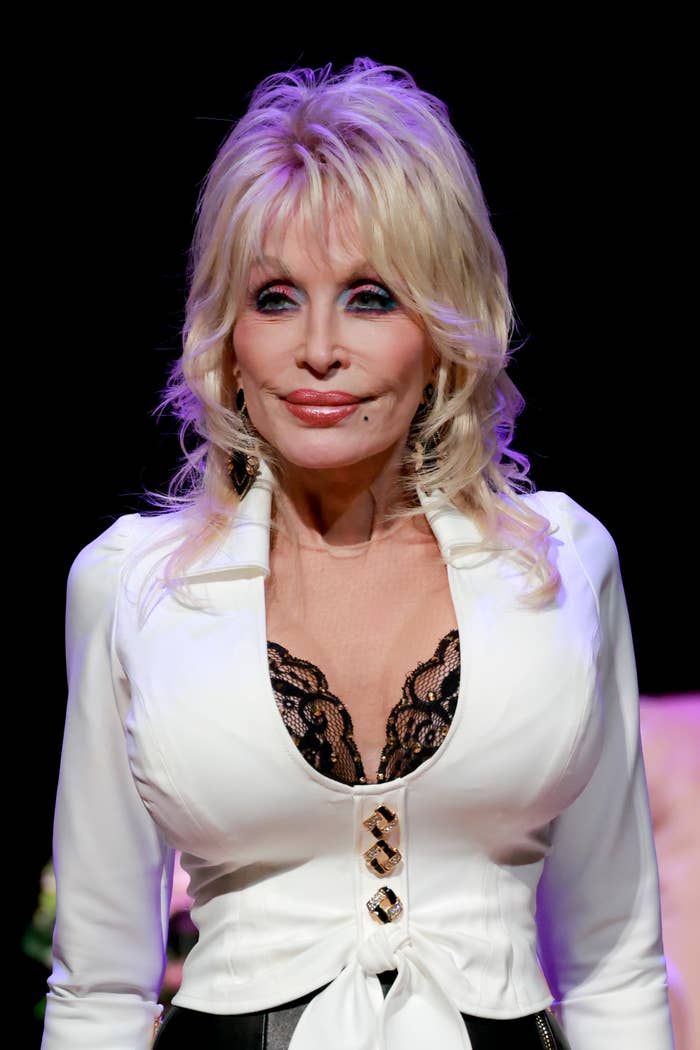
There are singers whose voices we recognize within a few notes, and there are personalities whose presence can brighten a room before the music even begins. Dolly Parton belongs to both groups. In the interview compilation shared here, her instrument is conversation: a carefully timed pause, a playful change of direction, and the unexpected answer that leaves an experienced interviewer laughing. Beneath that easy humor is something worth appreciating more closely—the instinct of a storyteller who understands how to make people listen.
For longtime admirers of country music, this side of Dolly feels familiar. Her conversational warmth draws on the same qualities that make a memorable song feel personal. She uses straightforward language, pays attention to rhythm, and knows when a small detail will carry more weight than a long explanation. A question arrives with an obvious destination, and she gently takes it somewhere else. The pleasure comes from hearing her make that turn with such apparent ease.
One especially revealing exchange concerns her distinctive style. When an interviewer questions her elaborate clothes and blonde wigs, Dolly treats the subject as a matter of individuality. Her response suggests that looking like everyone else has never been her ambition. It is a light moment, but it carries a serious idea: an artist’s identity is something she has the right to shape for herself. Listeners who have spent a lifetime navigating other people’s expectations may recognize the quiet confidence beneath the laughter.
Her jokes about aging work in a similar way. Instead of allowing the conversation to become an examination of passing years, she makes herself the cheerful author of the story. For older viewers, that can be part of her enduring appeal. She acknowledges the subject without surrendering her enjoyment of life to it. The humor leaves room for dignity, vanity, resilience, and a little mischief—all thoroughly human qualities.
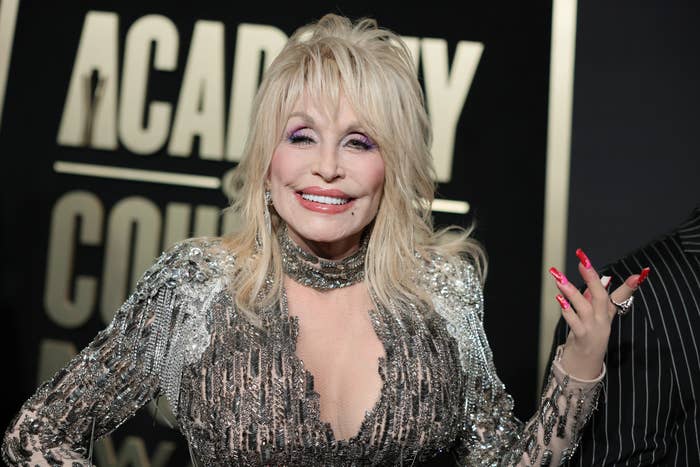
These exchanges also offer a useful way to think about Dolly Parton’s musical storytelling. A good storyteller understands expectation. She senses what an audience believes will come next, then chooses whether to fulfill that expectation or surprise it. In conversation, the result may be laughter. In a song, the same command of timing can give an ordinary phrase emotional force. Her wit encourages us to listen for the intelligence behind the friendliness.
The compilation’s reference to Whitney Houston provides another telling moment. Invited to consider a supposed rivalry over their recordings, Dolly answers with amused practicality rather than visible resentment. Within this exchange, her humor makes room for another singer’s achievement while preserving her own confidence as a songwriter. It is an appealing glimpse of someone who can take the work seriously and still enjoy the conversation surrounding it.
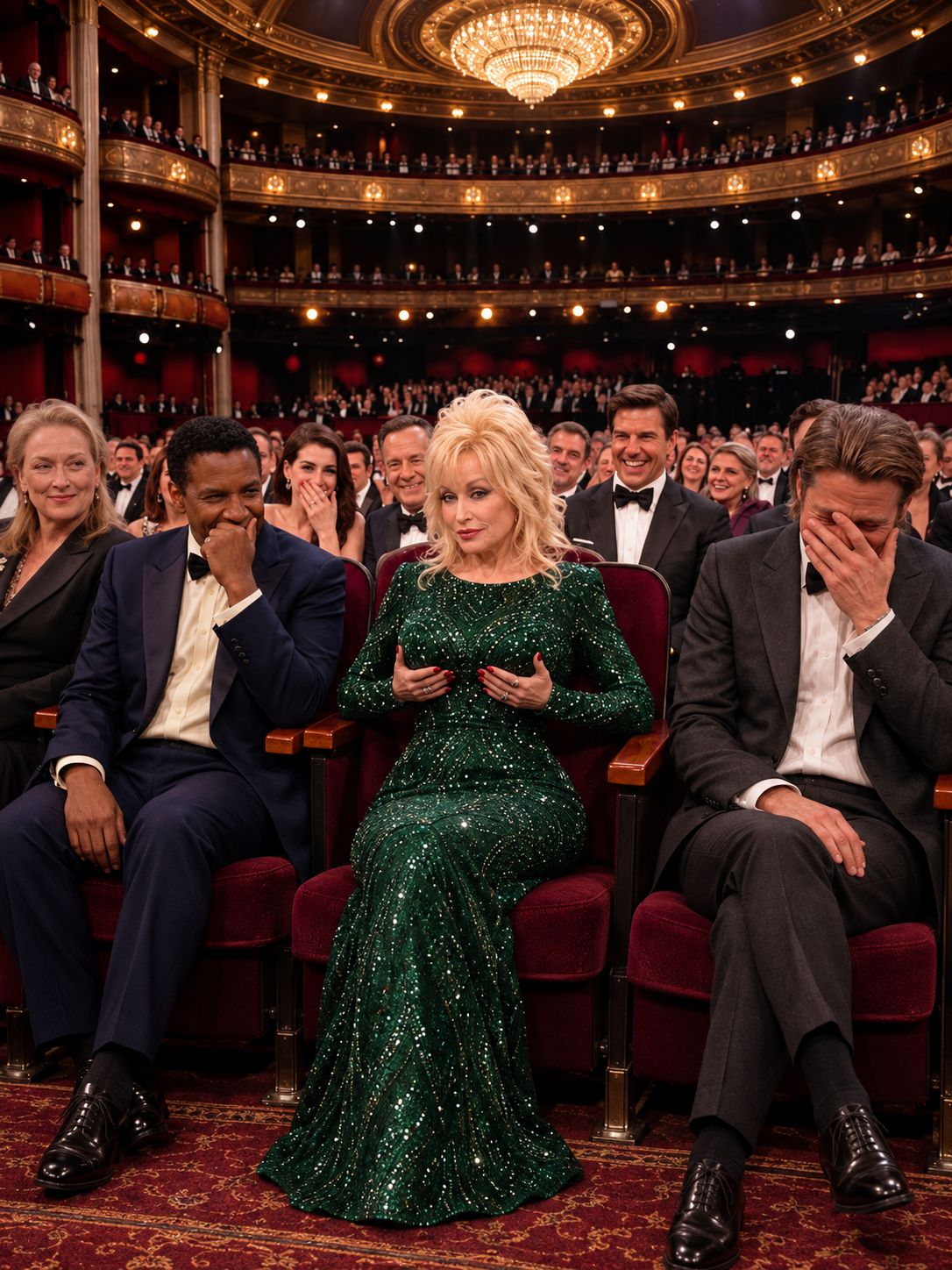
What makes these moments rewarding is their sense of proportion. Dolly can be glamorous without becoming remote, self-assured without making every answer a declaration, and funny without requiring the audience to forget her musical abilities. Her laughter creates a feeling of welcome. We can appreciate the craft while enjoying the company.
For those who have followed her through the years, this collection offers another reason to return to Dolly Parton with affection and attention. The quick answers and comic pauses reveal a performer who understands the value of a shared moment. Before she sings a melody, she has already established a connection—and that ability to reach people remains one of the most compelling parts of her artistry.