Introduction
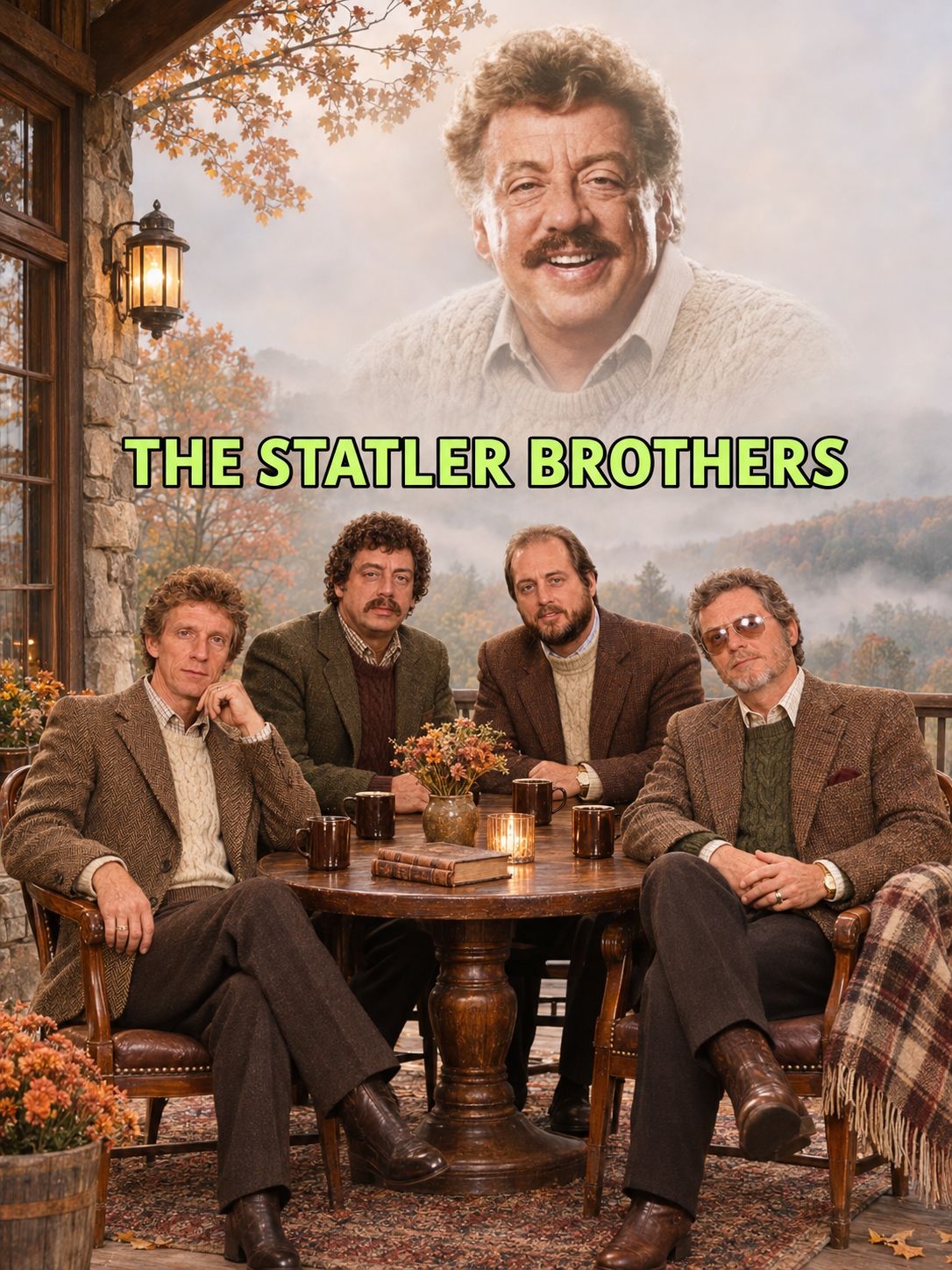
Some voices become so familiar that we stop imagining a world without them. They accompany long drives, Sunday afternoons, and quiet evenings when an old record offers exactly the comfort we need. For generations of country music listeners, Harold Reid possessed that kind of voice. His unmistakable bass gave The Statler Brothers a foundation that listeners could recognize almost immediately. Yet remembering Harold means remembering far more than the lowest note in a beautiful harmony. It means recalling the humor, character, and reassuring presence that made him such an essential part of the group.
Looking back on his farewell requires an important distinction. The Statler Brothers retired from touring in 2002, many years before Harold died on April 24, 2020, at age 80. Their departure from the stage and his passing were separate chapters, each carrying its own meaning for those who loved their music. There is no need to invent a private confession about how he wished to say goodbye; the documented story already holds considerable emotional weight.
The group’s final concert took place on October 22, 2002, near their Virginia hometown. Afterward, Harold enjoyed life on his farm with his wife, Brenda, and their family. That quieter chapter deserves a place in any remembrance of him. Audiences knew the entertainer who could command a room, but retirement offered time for the relationships and familiar surroundings beyond the spotlight. His life continued after the curtain came down, with pleasures that a concert audience could only glimpse.

To appreciate Harold Reid’s musical legacy, listen closely to how his bass works within the quartet. A strong bass singer does more than provide depth. He helps establish the shape of a chord, gives higher voices something solid to move against, and brings a sense of resolution when the harmonies settle together. Harold’s singing could make an arrangement feel grounded without drawing attention away from the melody. For a listener, the effect is much like recognizing the sturdy frame of a well-built house: every other detail feels secure because it is there.
Then there was his humor. The Statlers’ celebrated blend of music and comedy gave audiences room to laugh between songs that might otherwise leave them thoughtful or misty-eyed. Their comic creation, Lester “Roadhog” Moran & His Cadillac Cowboys, reflected that willingness to enjoy the lighter side of performing. Such playfulness helped make their concerts feel personal, as though the audience had been welcomed into an evening among old friends.
For older listeners, revisiting those performances can bring back more than memories of a favorite group. A familiar harmony may recall a parent’s radio, a family gathering, or someone who once sang along from the next room. That is where the emotion in Harold’s legacy often lives—in the connection between a recorded voice and a listener’s own history.

Harold Reid’s farewell still resonates because his presence remains so easy to recognize. Play an old Statler Brothers recording, and that deep voice returns with its familiar assurance. The years become audible in a different way: through the people we remember, the places we have left, and the songs we continue to carry. His contribution endures in those moments of recognition, whenever four voices come together and his bass makes the harmony feel complete.