Introduction

Some country songs tell us exactly what happened. Others leave us sitting beside someone who cannot quite explain why everything suddenly feels different. “Too Much on My Heart” by The Statler Brothers belongs to that second, deeply affecting tradition. It captures the uneasiness of loving someone while sensing that the closeness once taken for granted may be slipping away. There is no need for a dramatic confrontation. The emotional weight lies in uncertainty itself—in the questions that remain unanswered and the reassurance that no longer comes easily.
For listeners who appreciate country music’s ability to give ordinary feelings an enduring voice, this song offers much to admire. Its central concern is familiar: what happens when the heart carries more worry than a person knows how to express? The Statler Brothers approach that question with tenderness and restraint. The performance allows vulnerability to emerge naturally, without making the narrator seem theatrical or self-pitying. We hear someone struggling to understand a relationship that still matters deeply to him.
One of the recording’s most compelling qualities is the relationship between the lead vocal and the group’s harmonies. The lead carries the personal anxiety, while the surrounding voices give that anxiety depth and resonance. There is something especially moving about hearing an intimate worry held within a blended vocal sound. The feeling remains individual, yet it becomes recognizable to anyone who has waited for an honest answer from someone they love.
The melody also deserves close attention. Its expressive phrases give the singer room to dwell on a thought, allowing emotional pressure to build without overwhelming the song’s graceful shape. “Too Much on My Heart” is memorable because its musical movement feels connected to the narrator’s state of mind. The performance seems to reach toward reassurance, then settle back into doubt. That tension keeps the listener engaged even when the delivery remains gentle.
For older listeners, the song may call to mind an understanding earned through experience: affection alone does not spare a relationship from confusion. Years together can bring familiarity, but they can also make small changes more noticeable. A different tone of voice, a distracted conversation, or an unexpected silence may carry significance that an outsider would never recognize. This recording gives those private concerns a sympathetic musical setting.
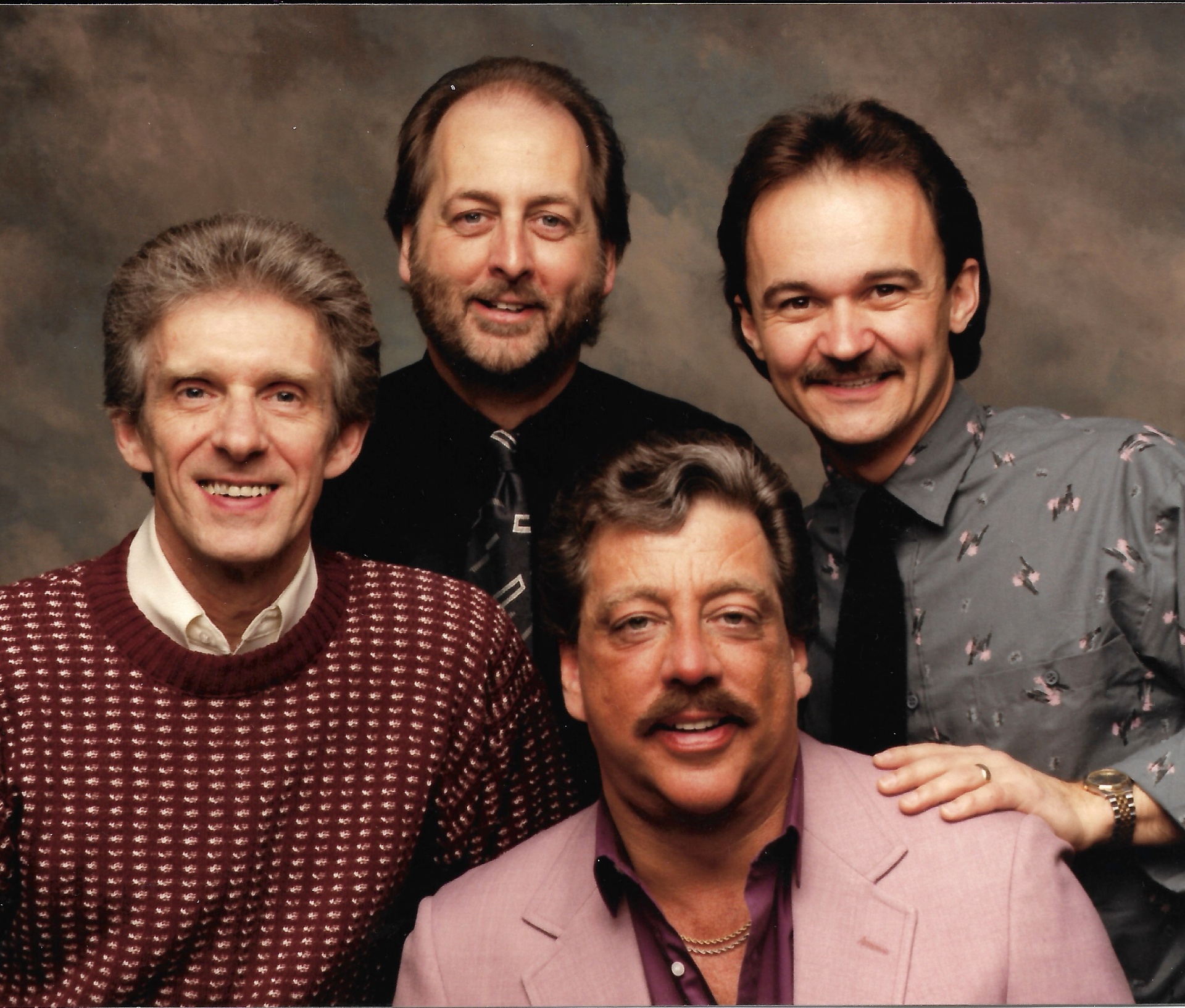
There is dignity in the way The Statler Brothers allow the song’s sadness to stand. The listener is given room to consider the narrator’s fears without being pushed toward an easy judgment about either person. That openness is part of the performance’s appeal. We can recognize his distress while understanding how difficult it can be to know what another person is feeling.
Ultimately, “Too Much on My Heart” rewards attentive listening. Beneath its accessible melody and polished harmonies is a perceptive portrait of emotional uncertainty. It speaks to those moments when a person wants to hold a relationship together but cannot find the conversation that might help. For anyone who values classic country storytelling, this is a song worth returning to—especially when the quietest feelings prove the hardest to put into words.