Introduction
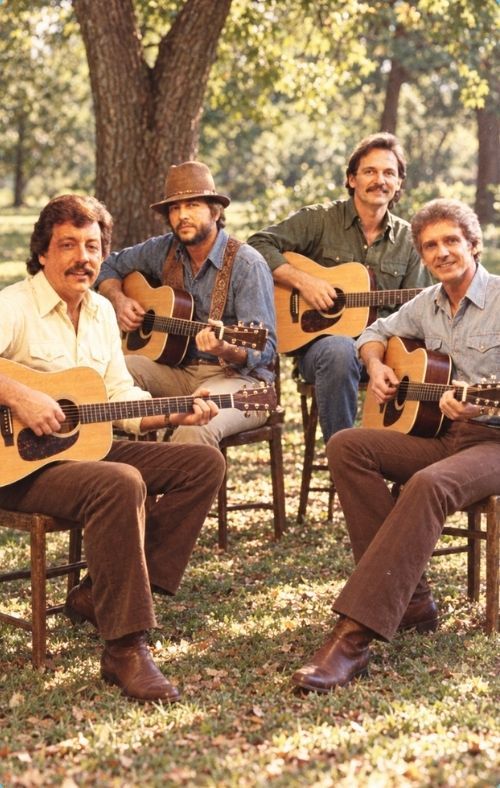
Some country songs bring back a particular place. Others return us to a person—a familiar voice, a reassuring smile, someone whose presence once made the world feel steady. The Statler Brothers – Forever (1986) belongs among those recordings that invite listeners to slow down and consider the meaning of lasting devotion. Its appeal rests in a simple but demanding idea: a promise matters most when we intend to keep it.
Written by Jimmy Fortune and recorded for the Statler Brothers’ 1986 album Four for the Show, “Forever” reflects the group’s gift for bringing warmth and dignity to an intimate subject. Fortune’s authorship and the song’s place on that album are also recognized in a Tennessee legislative tribute to his career. capitol.tn.gov Yet the recording needs little historical explanation to make its impression. Its emotional language remains easy to understand, especially for listeners who have lived long enough to appreciate what commitment asks of us.
The word forever comes easily when life is young and the future seems limitless. With experience, it acquires greater weight. It begins to suggest patience through difficult seasons, forgiveness after an unkind word, and the daily decision to remain dependable. That understanding gives this song much of its resonance. An older listener may hear a declaration of love and, alongside it, remember all the ordinary days that give such a declaration substance.
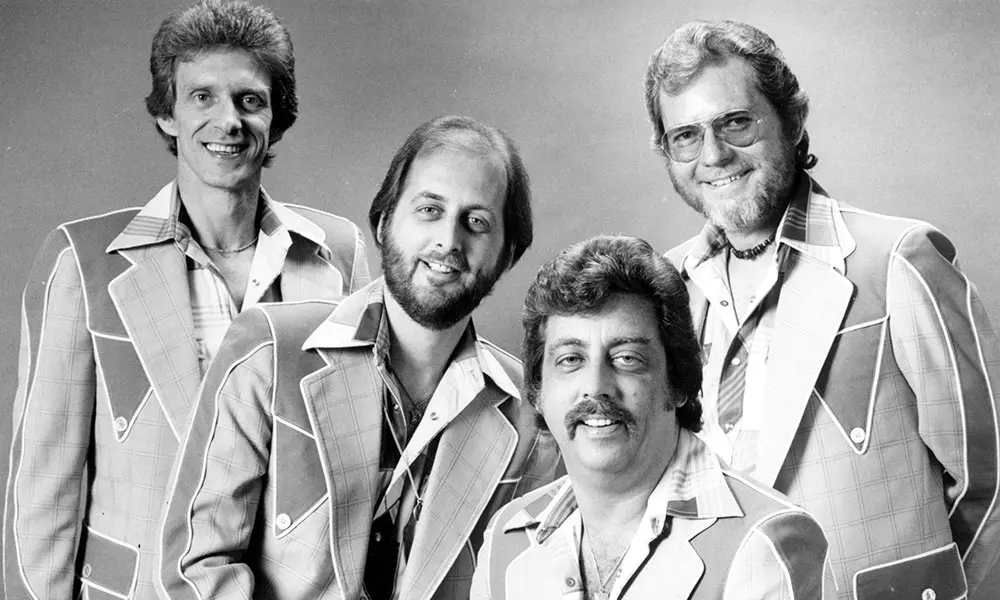
The Statler Brothers were particularly well suited to this kind of material. Their vocal blend could make a personal sentiment feel welcoming and shared. Here, the harmony lends reassurance to the central promise. The voices seem to support the feeling from within, giving the performance a sense of steadiness that suits its subject beautifully.
There is also pleasure in the recording’s emotional restraint. The song leaves room for the listener’s own memories. It does not require a complicated story to establish its importance; the idea of enduring affection is enough. For someone recalling a long marriage, a cherished anniversary, or the early days of a relationship, that simplicity can become deeply moving.
From a musical standpoint, “Forever” illustrates how much expressive work a vocal group can accomplish through balance. A clear melody draws us toward the sentiment, while the surrounding voices give it depth. The result feels conversational and considered, as though these words deserve to be spoken carefully. That quality rewards attentive listening, particularly in a quiet setting where the phrasing and blend can register fully.

For longtime country audiences, the recording also offers a familiar kind of comfort: recognizable emotions presented with care. Its sincerity allows listeners to meet the song on their own terms. Some may hear hope; others may hear gratitude for a devotion that has already lasted many years.
Returning to The Statler Brothers – Forever (1986) is therefore more than an exercise in nostalgia. It is an opportunity to hear a modest word regain its significance. Beneath the smooth harmonies lies a question that experience makes increasingly meaningful: what does it take to stand behind a promise? The song’s enduring charm is the warmth with which it invites us to reflect on our answer.