Introduction
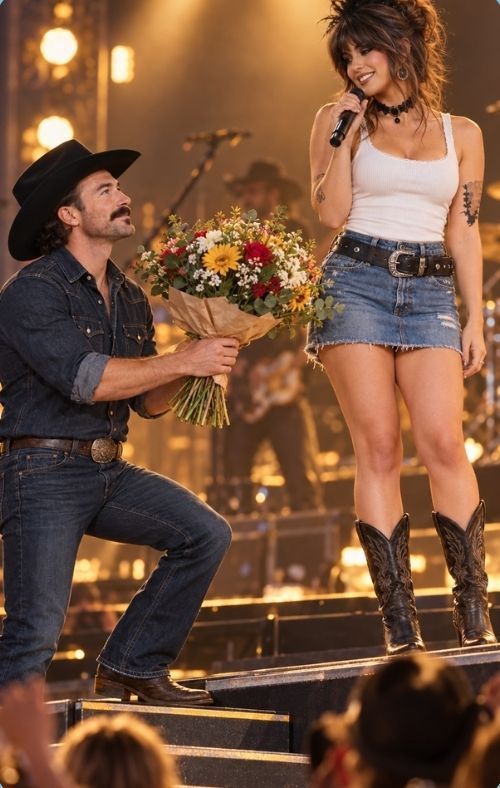
Sometimes, a few words spoken away from the stage draw as much attention as a carefully delivered chorus. That is the situation surrounding Ella Langley, whose response to a fan’s question about Riley Green “taking credit” for her success has prompted a conversation about recognition, collaboration, and the work behind a country music career.
According to published reports, Ella Langley responded to a fan that asked her how she felt about Riley Green “taking credit” during a recent Instagram Live. Her reported answer was brief: “No, didn’t love that. But typical.” She did not explicitly name Green in the reply, although the question and surrounding context led many listeners to interpret it as a response to his remarks.
The discussion began with Green’s appearance on The Voice, where he was trying to persuade sister duo Ferryn & Brinkley to join his team. He mentioned taking Langley on tour and observed that she was doing well. Some viewers understood the remark as a lighthearted reference to a successful former touring partner; others believed it implied that he deserved credit for her rise. Those differing interpretations are central to the story, because a perceived implication does not establish what Green intended.
For longtime country listeners, the broader issue is familiar. Country music has always depended on relationships: an established performer offers an opening slot, a songwriter shares a promising composition, or two singers discover that their voices belong together on a record. Such opportunities can matter enormously. Yet an introduction to an audience is only the beginning. The artist still has to give listeners a reason to remember her name.
That distinction offers a useful way to understand why this exchange has attracted attention. A successful career requires more than visibility. It requires musical judgment, a recognizable voice, persistence, and the ability to communicate something that listeners carry into their own lives. Support can help an artist reach the microphone; the performance determines whether people keep listening.
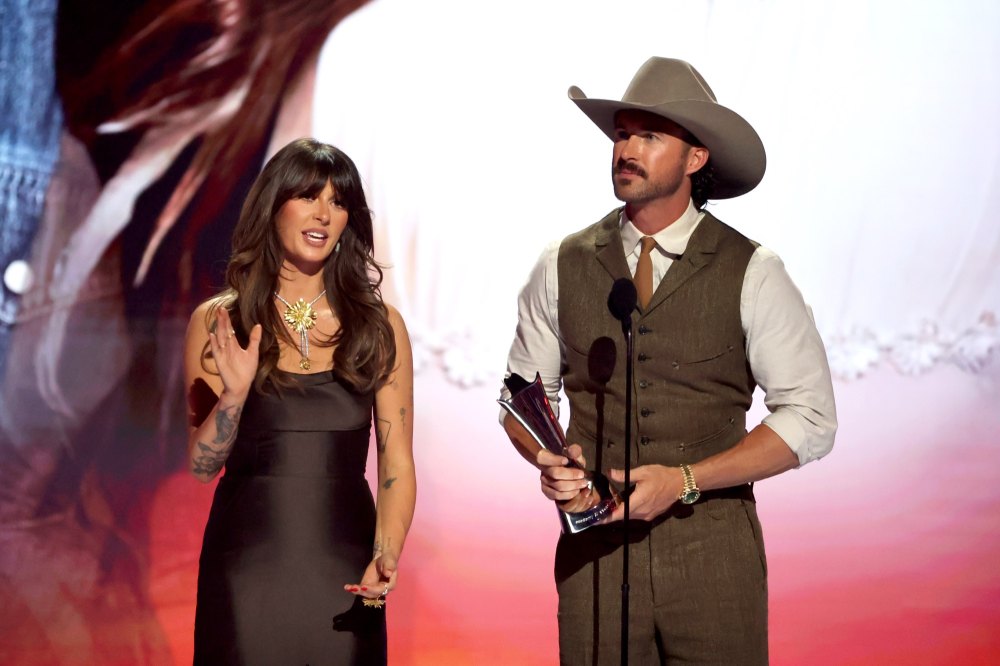
Langley and Green’s musical partnership provides meaningful context. They collaborated on “you look like you love me” and “Don’t Mind If I Do,” recordings that brought their contrasting voices together and earned major country music recognition. Their shared success helps explain why fans are invested in how each speaks about the other. country.iheart.com
From a musical perspective, a compelling duet depends on balance. Each singer contributes phrasing, character, and emotional weight. The pleasure comes from hearing two distinct personalities create something neither voice would deliver in quite the same way alone. That shared achievement deserves appreciation, while leaving room to recognize each performer’s individual identity.
Langley’s brief response can therefore be read as an expression of dissatisfaction with how her accomplishments were being discussed. It does not, by itself, explain the full relationship between the artists or establish what their next musical chapter will look like. A short public exchange gives listeners a glimpse, not a complete account.
For an audience that values country music’s traditions of honesty and respect, the most interesting question reaches beyond online disagreement: how do we acknowledge the people who help an artist while still honoring the artist’s own work? Ella Langley’s response has brought that question into focus. Whatever listeners make of the moment, the fairest appreciation begins with the music—and with giving every voice its due.