Introduction

Some songs seem to belong to a particular moment in our lives. Others follow us through the years, revealing a little more of themselves as we grow older. Patsy Cline-Walkin’ After Midnight belongs to that second, rarer kind. Beneath its easy rhythm and inviting melody lies a feeling many listeners recognize: the restless loneliness of missing someone when the day’s distractions have finally disappeared.
The song begins with a simple idea—a person walking through the night, searching for someone she loves. Yet in Cline’s hands, that solitary journey becomes much more than a passing scene. It suggests the way longing can turn familiar surroundings into reminders of an absent person. A quiet street, a patch of moonlight, or the stillness after midnight can suddenly carry the weight of an entire relationship. For listeners who have known separation, disappointment, or the ache of waiting, the emotion needs little explanation.
What makes the performance so compelling is the balance between its musical lightness and its underlying sadness. The rhythm keeps moving, giving the song a gentle sense of momentum. Meanwhile, Cline’s voice allows the loneliness to settle into each phrase. That combination feels remarkably true to life. We often continue with our ordinary routines while carrying feelings that nobody around us can see.
Her singing rewards close attention. There is warmth in the tone, but also a firmness that gives the narrator character. She sounds vulnerable without seeming helpless. Rather than overwhelming the listener with sorrow, Cline lets small changes in emphasis do the work. A sustained note or a slight turn of a phrase can suggest hope, uncertainty, and weariness within the same breath. The emotional effect comes from how naturally those feelings sit together.
The song’s nighttime imagery also gives it an enduring appeal. After midnight, the world becomes quieter, and thoughts that seemed manageable during daylight can begin to wander. The narrator’s physical walk mirrors that inner movement: remembering, wondering, searching, and perhaps trying to understand why love has left her feeling so alone. Many older listeners will recognize that experience, even if their own midnight journeys took place beside a kitchen window or in a room where sleep would not come.
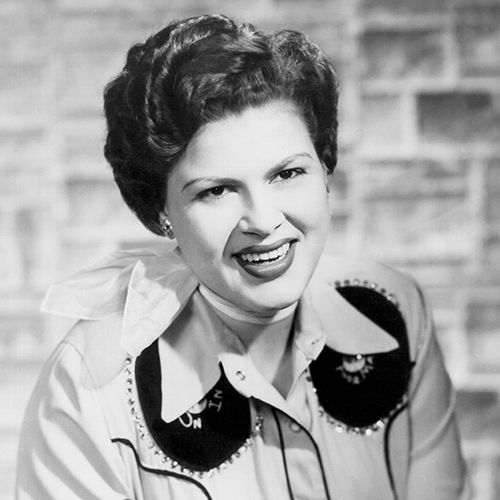
There is something especially moving about the song’s refusal to resolve every feeling. The search itself becomes the story. We hear a woman living through an uncertain moment, and that uncertainty leaves room for our own memories. Cline’s voice makes the experience personal while allowing each listener to find a different meaning within it.
Returning to Patsy Cline-Walkin’ After Midnight is therefore more than revisiting a familiar tune. It is an opportunity to hear how much feeling a singer can convey through clear phrasing, an expressive voice, and a melody that never loses its welcome. The song offers companionship to anyone who has ever missed someone in the quiet hours. Long after the final note, its gentle movement remains—and so does the sense that someone has understood exactly how that lonely night felt.