Introduction

Some songs bring back a season. Others bring back the person we were when we first heard them. “Puppy Love,” so closely associated with Donny Osmond, belongs to that second, more intimate category. For listeners who remember his youthful voice coming through a radio, the song can still open a door to school days, handwritten letters, and feelings that seemed enormous even when adults dismissed them as passing fancies. Its lasting appeal rests in that simple recognition: being young does not make an emotion less meaningful.
The video’s account of Osmond performing beside a digitally recreated version of his teenage self gives this familiar song a moving new frame. The young face represents the singer audiences remember. The older performer represents the life that unfolded beyond that memory. Together, they invite us to hear “Puppy Love” across two different stages of life, with the same melody connecting them.
What makes the song effective is its directness. It does not need elaborate language to establish its emotional world. The central feeling is the wish to be understood—to have someone take a young heart seriously. That is a modest subject with considerable depth. Older listeners may recognize it from their own adolescence, but they may also hear it through the experience of raising children and grandchildren. With age comes the knowledge that feelings we once called small can leave a lasting impression.
In Osmond’s youthful interpretation, the clear tone and earnest delivery give that appeal its character. There is an openness to the singing that suits the song’s perspective. Rather than weighing every phrase down with dramatic emphasis, the performance allows the melody to carry much of the emotion. The result is approachable and memorable, the kind of recording that can become woven into ordinary life through repeated listening.
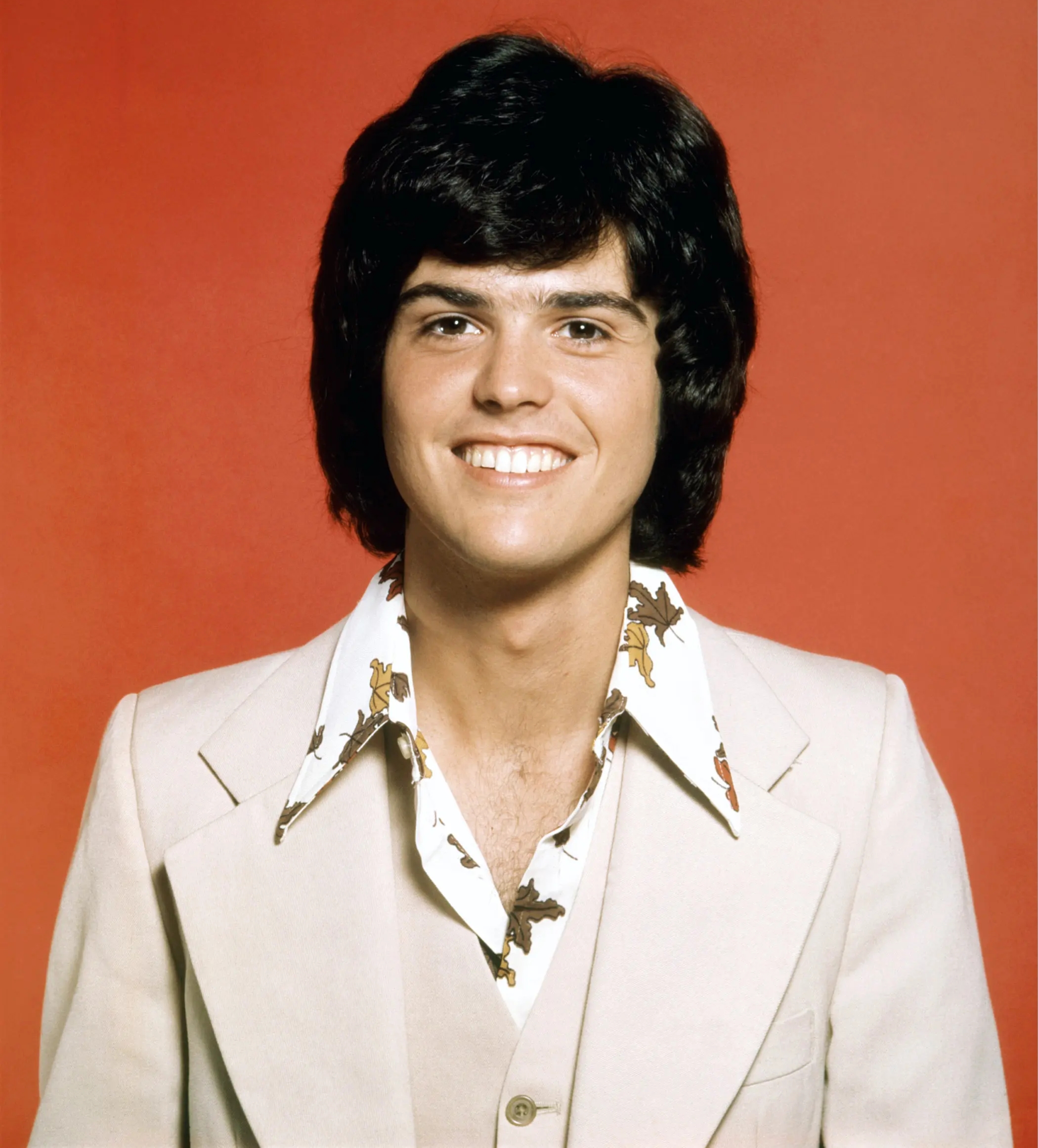
Hearing an older Donny Osmond revisit that musical identity introduces another layer. A familiar phrase can now suggest both the feeling expressed in the song and the singer’s relationship with his own past. The audience remembers a boy; the performer has lived the intervening years. That difference creates the emotional interest of the imagined conversation between them. We find ourselves considering everything a youthful recording cannot reveal about the person who made it.
For an audience that has grown older alongside his music, this is especially affecting. We, too, have photographs that preserve faces untouched by the years. We remember ambitions, disappointments, and moments of happiness that those photographs cannot explain. Watching a mature performer stand beside an image of his younger self gives visible form to something many people quietly experience: affection for the person they once were, accompanied by an understanding that only time could provide.
The presentation described in the video therefore offers more than a nostalgic return to a familiar hit. It suggests a generous way of looking backward. Youth can be remembered tenderly without becoming the sole measure of a life. A singer can honor the voice that first reached an audience while bringing later experience to the same song.
That is why “Puppy Love” remains worth hearing. Beneath its youthful sentiment lies a wish that survives every age—the wish for our feelings to be heard with patience and respect. In the meeting between Donny Osmond and his younger image, that wish gains a broader resonance. The melody carries yesterday into the present, allowing listeners to remember their own younger hearts with a little more kindness.