Introduction
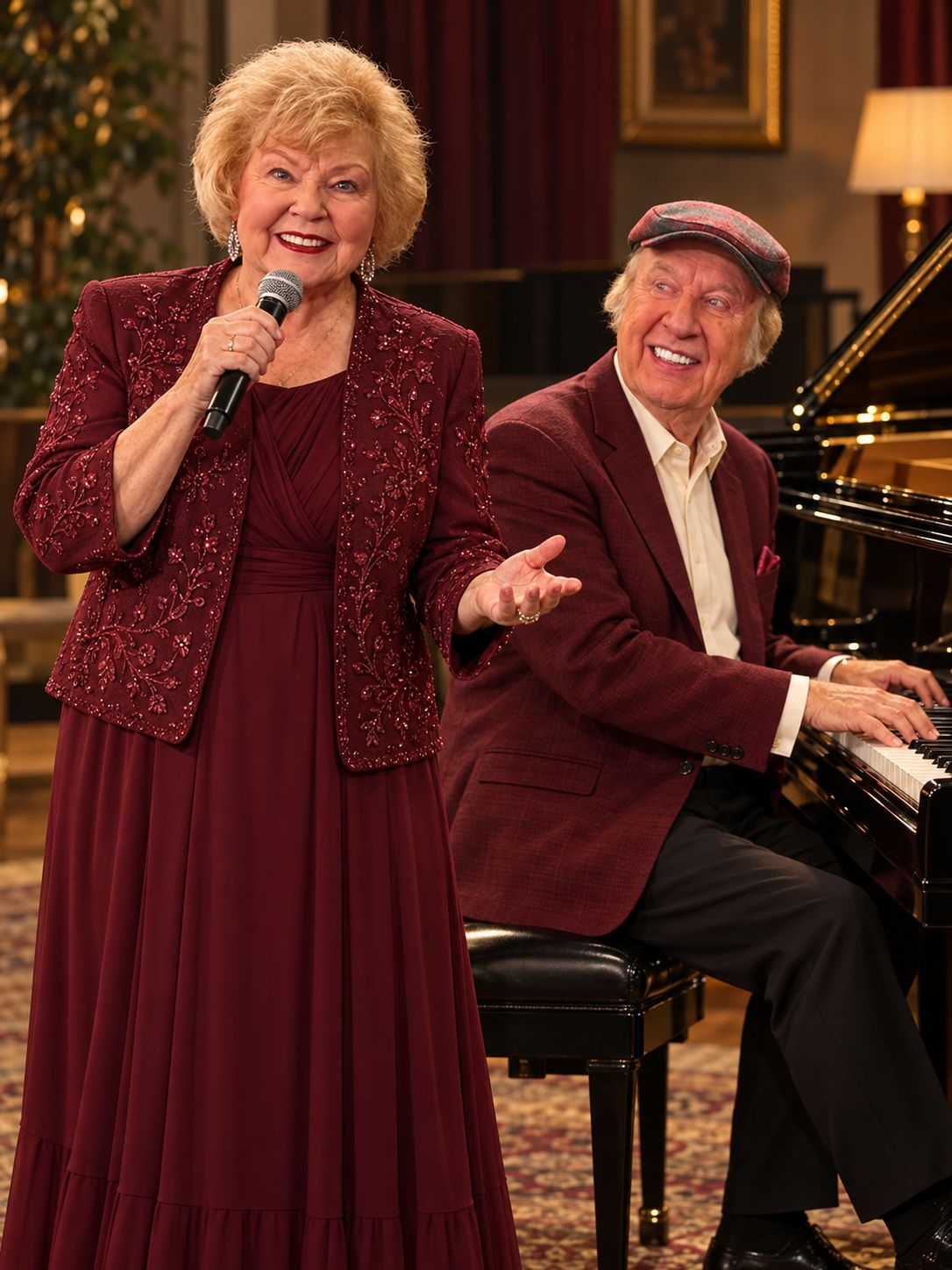
Some songs become more meaningful as we grow older. We return to them after raising children, saying difficult goodbyes, and discovering that even a carefully planned life can take an unexpected turn. “Because He Lives,” written by Bill and Gloria Gaither, belongs to that rare company. Its message meets listeners at the point where uncertainty becomes personal, offering a musical expression of faith that feels both intimate and enduring.
First released in 1971, “Because He Lives” grew into one of the Gaithers’ best-known gospel songs. The couple’s own account connects its inspiration with their concerns about bringing a child into an unstable world. That background gives the song a deeply human foundation: parents looking toward the future, aware of its dangers, yet searching for a reason to welcome it with hope.
For an older listener, that concern is immediately recognizable. Anyone who has watched a child leave home, waited for important news, or wondered how a family would manage another difficult year understands the longing for reassurance. The song speaks to that longing through its central Christian conviction: the resurrection of Jesus provides a foundation for facing whatever comes next. Its emotional strength lies in how directly it brings that belief into ordinary life.
Musically, “Because He Lives” has the welcoming quality of a song meant to be shared. Its melody gives the words room to breathe, allowing their meaning to settle before the next phrase arrives. The refrain carries a gentle sense of expansion, as though a private reflection has opened into something a whole congregation can express together. A restrained performance can reveal this particularly well, with clear phrasing and unhurried accompaniment drawing attention to the relationship between melody and message.
There is also an effective movement within the song’s structure. It begins with the foundation of Christian faith, turns toward the tenderness and responsibility of new life, and eventually considers mortality. Those subjects give the hymn a broad emotional reach. Birth, uncertainty, courage, and the passage of time belong to the same unfolding story, and the music holds them together with remarkable simplicity.
Bill and Gloria Gaither understood the expressive value of accessible language. Here, familiar ideas acquire weight through their placement and repetition. The listener can follow the message immediately, while repeated hearings invite deeper reflection. Someone hearing the song in youth may respond to its confidence about tomorrow. Decades later, that same listener may hear it through memories of people loved, responsibilities carried, and hardships endured.
That changing relationship between song and listener helps explain its lasting appeal. “Because He Lives” leaves space for personal experience. A familiar performance may bring back the sound of a parent’s voice, a small church choir, or a Sunday morning when several generations sat together in one pew. Such memories give the music an additional tenderness, joining spiritual conviction with the people and places that helped shape it.
Ultimately, the beauty of “Because He Lives” rests in its steady invitation to continue. Its hope is expressed through a melody people can carry with them and a message they can revisit when courage feels scarce. For listeners who have lived long enough to understand how precious reassurance can be, this Gaither classic still offers something deeply moving: a reason to greet another day with faith.