Introduction
THE VOICE STAUNTON COULD NEVER FORGET — WHAT HAROLD REID’S FAMILY STILL CARRIES
Some voices become part of the furniture of our lives. They accompany Sunday afternoons, long drives home, and quiet evenings when the radio seems to understand us better than conversation does. Harold Reid’s voice belonged to that rare company. Deep, unmistakable, and wonderfully human, it gave The Statler Brothers a foundation listeners could recognize almost before a song had properly begun. Years later, remembering that sound can still bring back an entire chapter of someone’s life.
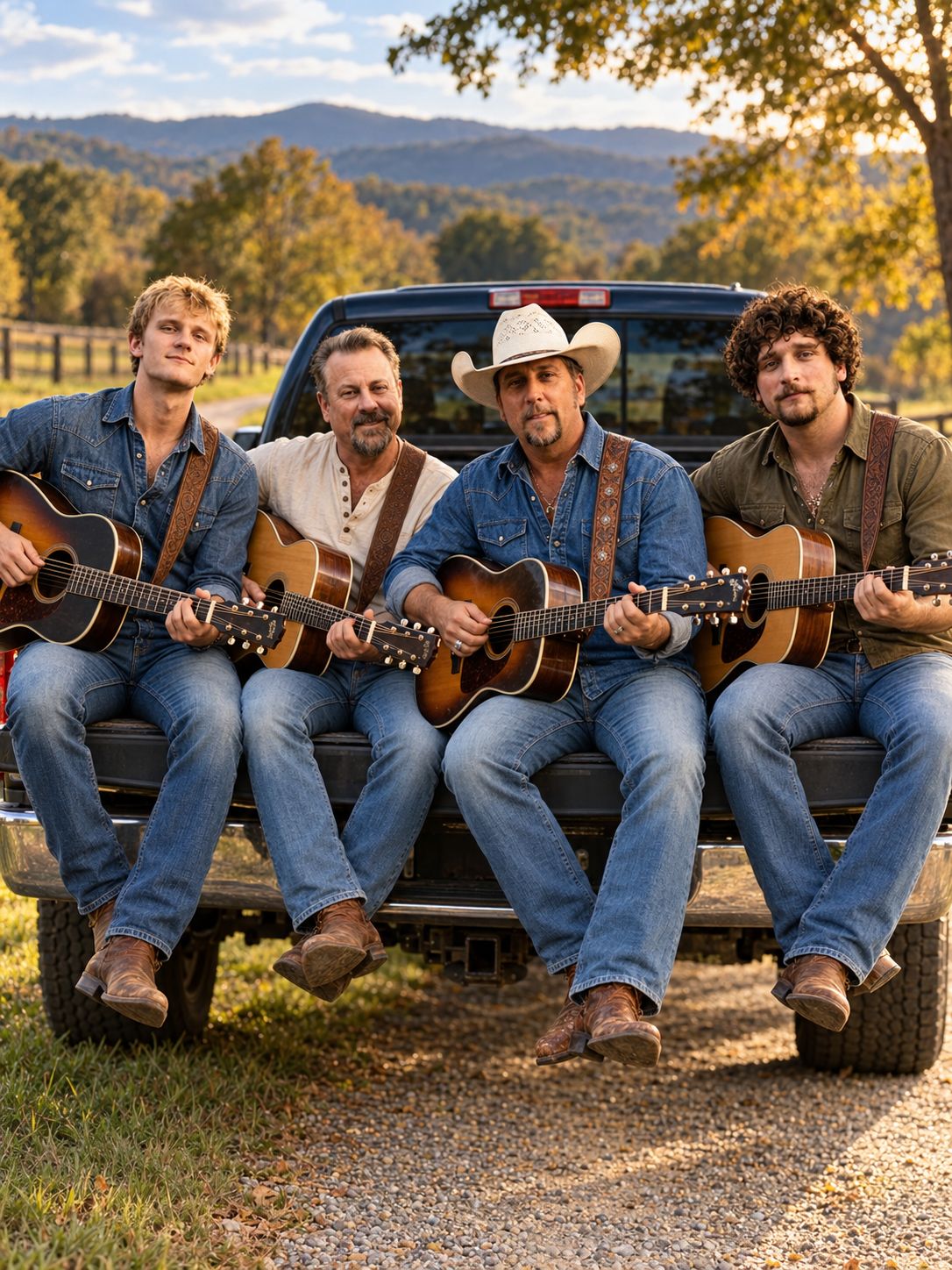
Yet the most moving way to approach Harold’s legacy is to look beyond the familiar recordings. In Staunton, Virginia, the story continues through a family whose musical connections span three generations. Wil Reid, Harold’s son, and Langdon Reid, Don Reid’s son, perform as Wilson Fairchild. Their sons, Jack Reid and Davis Reid, have also built a musical partnership: Jack is Harold’s grandson, while Davis is Don’s grandson. These distinctions matter because this is a family story made richer by its individual branches.
For listeners who grew up with the Statlers, that continuity carries an emotional weight no publicity campaign could manufacture. A younger generation approaching a microphone can awaken memories of the people who first introduced us to this music. We remember a father tapping the steering wheel, a mother humming from another room, or neighbors gathering around songs everyone seemed to know. The feeling belongs as much to our own families as it does to the performers.
Harold Reid’s bass singing helps explain why those memories remain so vivid. In a vocal ensemble, the lowest part does more than supply depth. It gives the other voices somewhere to settle. Listen closely to the Statlers and you can hear how a grounded bass line makes a higher melody feel warmer, steadier, and more complete. Harold’s musical presence offered that reassurance, while his humor brought another kind of warmth: the pleasure of spending time with someone who knew how to make a room feel welcome.
It is tempting to describe a family legacy through a dramatic secret—a hidden letter, a final instruction, a confession that leaves an audience in tears. But without reliable evidence, those details would obscure the more meaningful story. Faith, family, and musical inheritance already provide enough substance for reflection. Their importance emerges in the patient work of learning songs, listening to another singer, and deciding what deserves to be carried forward.
Here, harmony offers a useful lesson of its own. To sing well with others, a performer must hear more than his own voice. He must make room, hold his part, and trust that the combined sound will express something he cannot achieve alone. For an older listener, that may feel familiar. A lasting marriage, a close family, or a dependable friendship often asks for the same attention.
The younger Reids also deserve the freedom to become themselves. Their family connection gives their music context, but listeners can honor that connection while remaining curious about their own choices and abilities. The strongest inheritance leaves room for growth. It allows affection for the past to become a source of confidence rather than a burden.
That is what makes Harold Reid’s enduring legacy so compelling. His recordings preserve a voice; the continuing family story invites us to consider what a voice can leave behind. In Staunton, where the city publicly honored him after his death in 2020, his place in local memory is clear. For those who still listen, the deeper response is personal: gratitude for the music, tenderness toward the years it accompanied, and hope that another generation will discover why it mattered.