Introduction
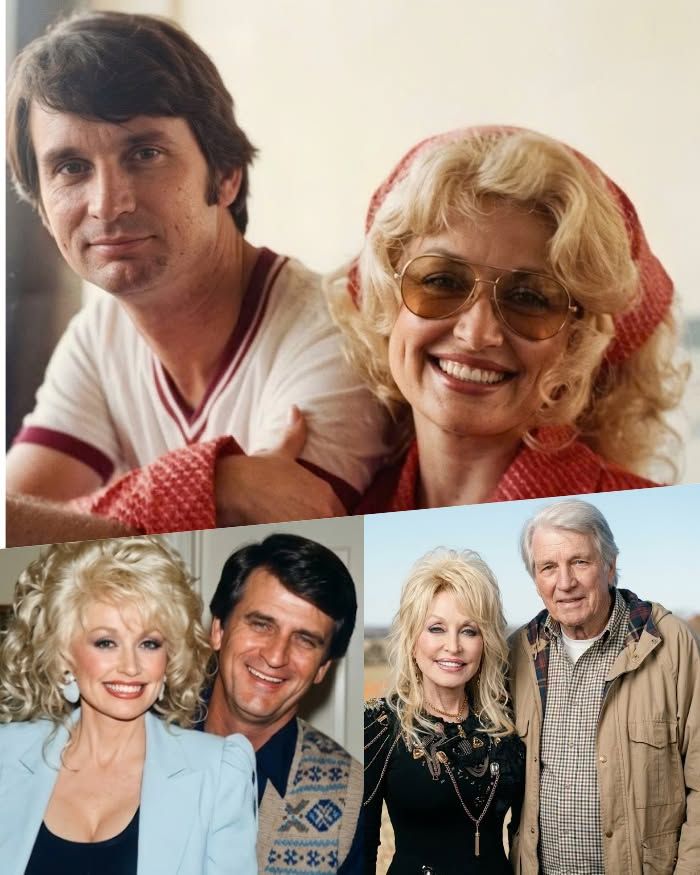
Dolly Parton possessed the rare kind of fame that could fill an arena almost anywhere in the world. Promoters understood the power of her name, audiences knew every chorus, and generations of listeners regarded her voice as part of the American story. Yet one of the most revealing decisions of her later career was not a concert she accepted, but the long international tours she chose to leave behind.
As Carl Dean grew older and began facing health concerns, Dolly quietly reconsidered the demands of life on the road. Overseas tours promised enormous crowds and considerable financial rewards, but they also required months away from Tennessee. For an entertainer who had spent decades moving between recording studios, television sets, theaters, and concert stages, declining those offers was a deeply personal declaration: some years were too precious to surrender to an itinerary.
That choice reflected a commitment stretching back to May 30, 1966. On that day, Dolly and Carl traveled to Ringgold, Georgia, where they married in a modest ceremony witnessed only by Dolly’s mother, Avie Lee Parton, and the preacher’s wife. There was no celebrity spectacle, no press line, and no elaborate reception. Their marriage began in simplicity, and despite the extraordinary fame that followed, simplicity remained one of its foundations.
The contrast between Dolly’s public and private lives could hardly have been greater. Onstage, she appeared beneath brilliant lights in rhinestones, high heels, and carefully styled wigs. At home, those symbols of celebrity reportedly gave way to familiar clothes, an old apron, and traditional Southern cooking. She prepared comforting meals and packed homemade sandwiches in foil for quiet drives with Carl along Tennessee’s backroads.
Those journeys represented something the world could not purchase from them: privacy. There were no screaming audiences, carefully arranged interviews, or photographers waiting for the perfect image. Inside an old camper, they could simply be husband and wife—two people sharing familiar roads, ordinary meals, and the peaceful silences that become meaningful after many years together.
Their 50th wedding anniversary in 2016 offered another glimpse into their values. Dolly and Carl renewed their vows privately, allowing only a limited number of photographs to reach the public. In keeping with Dolly’s lifelong concern for children, the proceeds associated with those images were directed toward charity. Even a rare public window into their marriage became an opportunity to help others.
Carl had met Dolly outside Nashville’s Wishy Washy laundromat when she was eighteen and newly arrived in the city. Long before the awards, sold-out performances, and international recognition, he knew the young woman carrying enormous dreams into an uncertain future. As the world came to know Dolly Parton the superstar, Carl remained connected to the person behind the carefully constructed image.
That may be why Dolly’s decision to reduce extended touring feels more important than an ordinary career adjustment. It reveals the values underneath the music. Her songs have often explored loyalty, sacrifice, memory, and the things success cannot replace. By choosing to remain closer to their Brentwood home, she lived out those themes away from the microphone.
The world may remember the sparkling costumes, unforgettable melodies, and commanding stage presence. But the quieter chapter tells us something equally powerful about Dolly Parton: beneath all the brilliance was a woman who understood that applause eventually fades, while a shared supper, a slow country drive, and time beside the person who knew you before fame can become the most valuable gifts of all.