Introduction
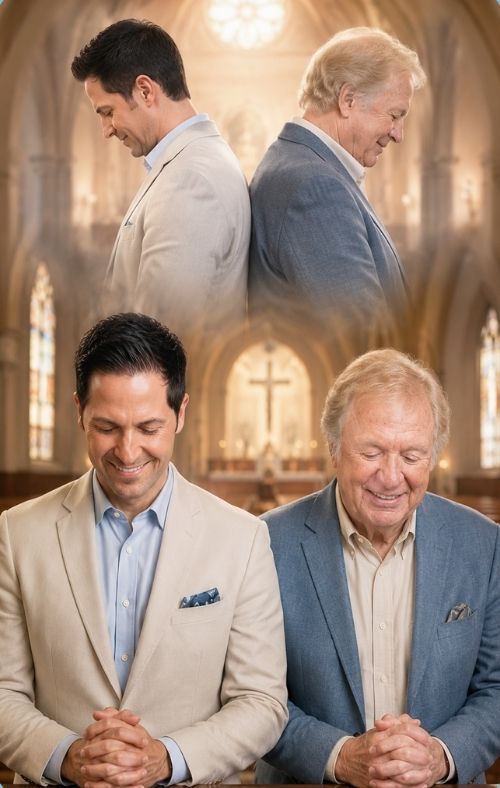
For more than two decades, Wes Hampton has occupied a distinctive place in modern gospel music. His remarkable tenor voice can rise above a full vocal arrangement with strength and clarity, yet the man behind that voice has never seemed interested in becoming the loudest personality in the room. Instead, he has built his reputation through consistency, musical excellence, personal humility, and a sincere devotion to the message carried by every song he performs.
That combination has made Hampton one of the most recognizable and respected members of the Gaither Vocal Band. Audiences may first notice the range and brightness of his voice, but longtime listeners understand that technical ability is only part of his appeal. There is an unmistakable sincerity in his singing. Whether he is performing a treasured hymn or a contemporary gospel composition, he approaches the music as something more meaningful than entertainment. Each lyric becomes an opportunity to offer hope, encouragement, and reassurance to people facing the joys and burdens of everyday life.
Hampton’s story is especially compelling because he has rarely pursued attention beyond the stage. In an age when public figures are often expected to reveal nearly every detail of their personal lives, he has followed a quieter path. He has allowed his faith, his character, and his work to speak for him. Far from limiting his influence, that privacy has deepened the respect many listeners feel toward him. It suggests a man who understands that a meaningful life does not require constant applause.
His journey into gospel music began with the foundations of family, church, education, and service. Growing up in Tennessee, Hampton learned that music could be both a gift and a responsibility. Singing was not merely a way to display talent; it was a means of comforting people, strengthening belief, and honoring values larger than personal ambition. Those early lessons continued to shape him as he developed his musical abilities through choirs, vocal groups, and formal study.
When Hampton joined the Gaither Vocal Band in 2005, he entered an ensemble already celebrated for its rich harmonies, deeply felt performances, and enduring contribution to Christian music. Becoming part of such an established group required more than a fine voice. It demanded discipline, teamwork, adaptability, and respect for a musical tradition that had touched generations of listeners.
From his earliest appearances with the group, Hampton proved that he belonged. His tenor added fresh energy to the ensemble’s harmonies while preserving the warmth and spiritual purpose audiences expected. He could deliver a demanding vocal passage with confidence, but his performances never appeared designed merely to impress. His greatest strength was his ability to make the listener believe that he understood and valued every word he sang.
Central to Hampton’s career has been his lasting partnership with Bill Gaither. Their relationship represents something increasingly rare in the entertainment world: a collaboration built on trust, mentorship, shared purpose, and mutual respect. Gaither recognized Hampton’s vocal gifts and gave him opportunities to lead important performances, while Hampton responded with loyalty, preparation, and a willingness to place the group’s mission above individual recognition.
Years of rehearsals, recordings, concerts, and travel strengthened that partnership. On stage, their understanding often appears effortless. A glance, a gesture, or a musical cue can reveal the confidence developed through countless shared experiences. Yet the importance of their relationship reaches beyond performance. It demonstrates how experienced leadership can nurture talent without controlling it, and how a younger artist can learn from tradition without losing his own identity.
This spirit of cooperation has helped the Gaither Vocal Band remain meaningful through changing musical seasons and different group lineups. Hampton has never approached the ensemble as a platform for personal celebrity. He has embraced it as a ministry in which every member contributes to a larger message. That attitude has made him not only a dependable singer but also a steady and reassuring presence for audiences.
There is also something deeply comforting about Hampton’s consistency. Listeners know what he represents. They see a performer who values kindness, gratitude, integrity, and service over fame. They hear a voice capable of extraordinary power, but they also recognize the restraint and sensitivity required to serve a song rather than overwhelm it. Those qualities are particularly meaningful to older listeners who remember a time when artists were admired not only for their achievements but also for the dignity with which they carried themselves.
Hampton’s influence cannot be measured solely through albums, concerts, or standing ovations. It can be found in the people who have drawn strength from his performances, in the younger singers who view him as an example, and in the enduring trust he has built with gospel audiences. His career reminds us that longevity is rarely created by talent alone. It is sustained through preparation, humility, loyalty, and the willingness to remain faithful to one’s purpose.
The most powerful aspect of the Wes Hampton story may be its quietness. There are no unnecessary theatrics surrounding his legacy. There is simply a gifted singer standing before an audience, using his voice to communicate something he genuinely believes. In that simplicity lies his greatest strength.
Long after individual performances have ended, Hampton’s example will remain: a life shaped by faith, a career strengthened by humility, and a voice dedicated to offering hope. In a culture that frequently rewards noise and self-promotion, Wes Hampton has shown that true influence can be gentle, steady, and deeply sincere. His is a quiet gospel legacy, but it is one that continues to speak with remarkable power.