Introduction
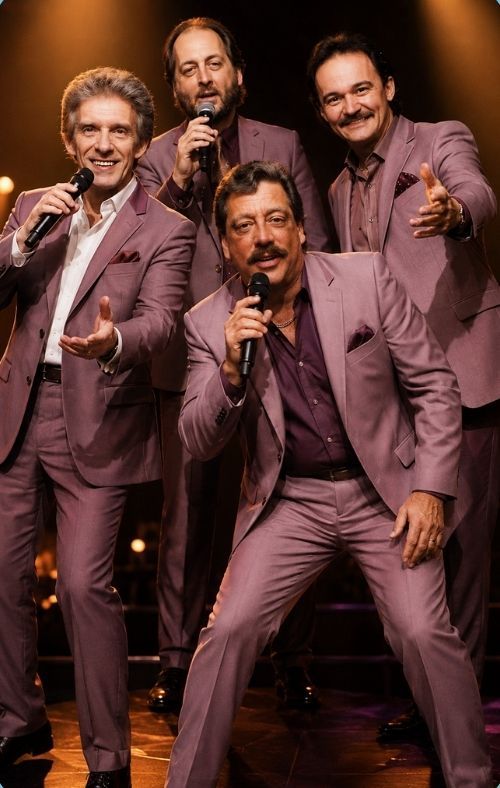
THE STATLER BROTHERS DIDN’T QUIT BECAUSE THE MUSIC WAS GONE. THEY QUIT BECAUSE THEY KNEW THE STORY WAS COMPLETE.
For nearly four decades, The Statler Brothers accomplished something far more meaningful than simply producing successful records or entertaining packed concert halls. They gave dignity, humor, tenderness, and melody to the ordinary experiences that shaped American life. Their songs were filled with small towns, former classmates, church pews, devoted mothers, complicated brothers, Saturday evenings, and quiet Sunday mornings. These were not glamorous subjects, but in the hands of the Statlers, they became worthy of remembrance.
That was the group’s remarkable gift. They understood that the most important stories are not always found beneath bright lights or in extraordinary circumstances. Sometimes they are found in an old school photograph, a familiar front porch, a family Bible, a hometown street, or the memory of someone whose name has not been spoken in years. The Statler Brothers sang about those moments with such honesty that listeners often felt they were hearing their own lives returned to them in harmony.
Their music could be playful, nostalgic, spiritual, and deeply moving, sometimes within the same performance. They could make an audience laugh with a perfectly timed observation, then bring the same room to silence with a song about faith, family, aging, or loss. Their work never treated ordinary people as background characters. Instead, it placed them at the center of the American story.
Each member brought something essential to that sound. Harold Reid had the thunder, the unmistakable bass voice that gave the group its authority and humor. Don Reid carried the memory, helping turn personal observations and shared history into songs that felt familiar even upon the first hearing. Phil Balsley brought warmth and steadiness, the quiet presence that helped hold the harmonies together. Jimmy Fortune carried the gospel weight, adding emotional lift and a clear, soaring voice that could make hope sound almost visible.
Together, they became more than four individual singers. They became a musical portrait of a particular America—one shaped by community, faith, loyalty, humor, hard work, and the understanding that joy and sorrow often live side by side.
Then, in 2002, they made a decision that many successful performers find almost impossible to make. They walked away.
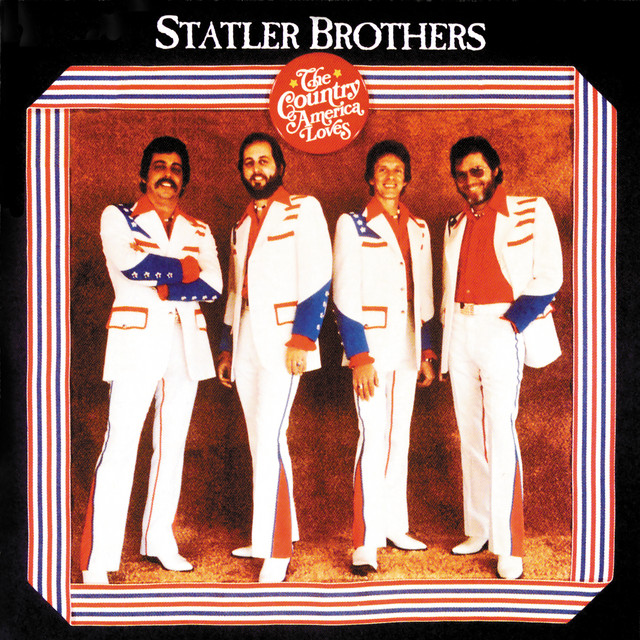
There was no endless series of farewell tours. There was no attempt to stretch the group’s identity into another decade simply because audiences would have continued buying tickets. There was no desperate effort to compete with younger artists or modern trends. The Statler Brothers seemed to recognize that their legacy did not need to be repeatedly revived in order to remain alive.
To some fans, their retirement initially felt like an abandonment. How could voices so beloved simply decide that the journey was over? Yet with time, the wisdom of their decision became clearer. They did not leave because their music had lost its power. They left because they understood the difference between ending a career and completing a story.
They had already sung the songs they needed to sing. They had made generations laugh. They had comforted grieving families, celebrated enduring marriages, honored mothers and fathers, remembered old friends, and carried the spirit of their Virginia hometown onto stages across America. They had helped listeners recognize the value of lives that rarely appeared in newspapers or history books.
Going home, therefore, was not an act of defeat. It was the natural final chapter of everything they had been singing about.
The Statler Brothers had always believed that home mattered. Their music celebrated roots, family ties, church communities, and the places that continue calling us long after we have left them. When they returned to Staunton, Virginia, they were not turning away from their audience. In a profound sense, they were living out the central message of their own catalog: eventually, every meaningful journey leads back to the people and places that made us who we are.
That is why their farewell still feels different from so many departures in popular music. Some artists remain onstage until the audience begins remembering what they once were rather than appreciating what they have become. Others leave amid conflict, exhaustion, or fading public interest. The Statler Brothers departed with their dignity, friendship, humor, and musical identity intact.
They left before the story became a repetition of itself.
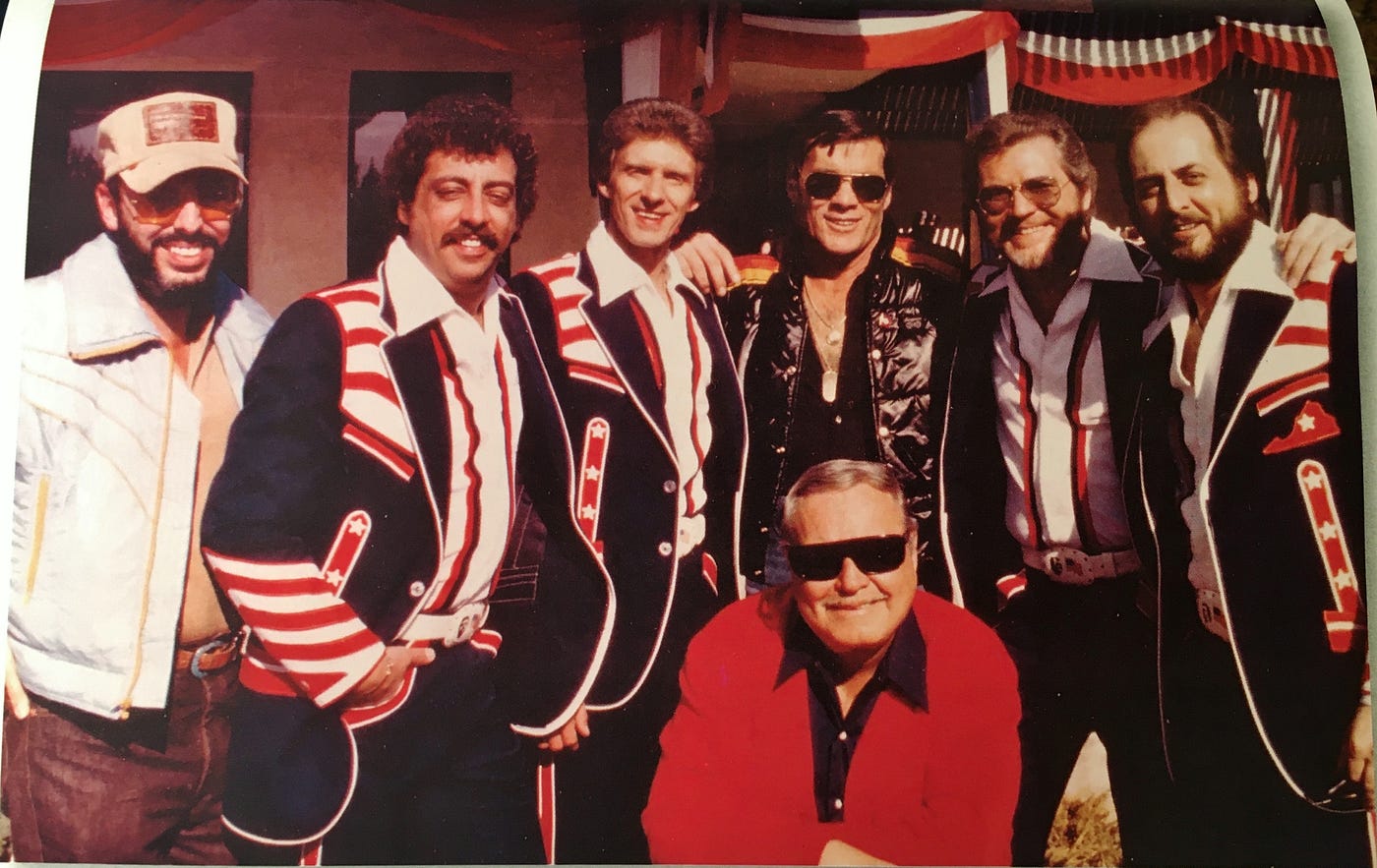
That decision may be one of the strongest statements they ever made. It showed that success is not measured only by how long a performer can remain visible. Sometimes it is measured by knowing when the work has said everything it was meant to say.
The music, of course, never disappeared. The records remained. The harmonies continued to fill homes, churches, automobiles, family gatherings, and quiet evenings. Songs such as “Flowers on the Wall,” “Class of ’57,” “Elizabeth,” and “Bed of Rose’s” continued introducing new listeners to a group that understood the emotional geography of American life.
Years after their retirement, the Statler Brothers still sound complete. Nothing essential seems missing. Their catalog has a beginning, a middle, and an ending. It contains youth and age, laughter and grief, faith and doubt, departure and homecoming.
That may be their greatest legacy.
The Statler Brothers did not disappear because they ran out of music. They stepped away because they had finished the story with grace—and they trusted the songs to keep telling it.