Introduction

When Henry Slaughter’s piano fell silent, the world of gospel music lost far more than a gifted musician. It lost a faithful servant, a generous friend, and one of the quiet architects of a musical tradition that brought comfort to countless families. His name may not have appeared in headlines as often as those of the singers who stood at center stage, yet his influence could be heard whenever a familiar gospel melody filled a church sanctuary, a family living room, or a Gaither Homecoming gathering.
Born in Roxboro, North Carolina, in 1927, Henry Slaughter discovered the piano at an early age. Music was not simply a childhood interest for him. It became the language through which he expressed his faith, encouraged the discouraged, and reminded listeners that hope could survive even the most difficult seasons of life. Over a career spanning approximately six decades, he performed with respected gospel groups including the Weatherfords and the Imperials, before becoming an important and beloved figure within the Gaither Homecoming family.
What distinguished Slaughter was not merely his technical command of the instrument. Many pianists can play quickly, beautifully, or with great precision. Slaughter possessed something more difficult to define. He understood how to make a piano sound like a testimony. Beneath his hands, a simple introduction could prepare an audience for worship, while a carefully placed chord could awaken memories of childhood churches, departed loved ones, and promises that had carried families through generations.
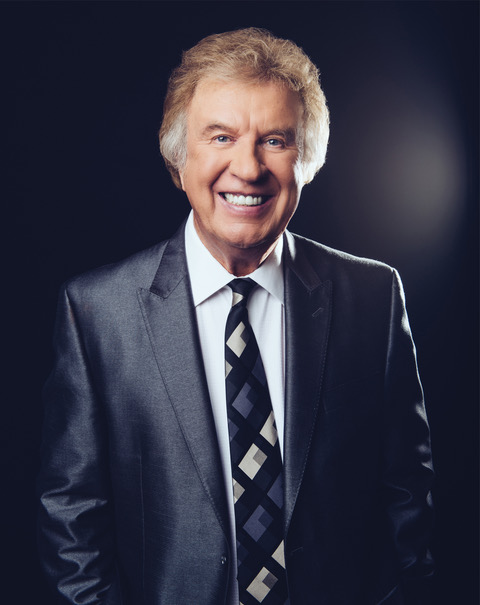
His performances of songs associated with the gospel tradition, including “He Touched Me,” “What a Precious Friend Is He,” and “I’ve Never Been This Homesick Before,” reflected his rare ability to unite musical craftsmanship with sincere spiritual conviction. Although Bill Gaither wrote “He Touched Me,” Slaughter’s interpretation helped give the composition an emotional presence that reached far beyond the printed page. His arrangements did not compete with the message of a song. They illuminated it.
The friendship between Bill Gaither and Henry Slaughter represented another important part of his story. Their relationship was built on more than professional collaboration. They shared a belief that gospel music should never be reduced to applause, recognition, or personal success. For both men, the purpose of the music remained the people listening—the grieving widow, the tired parent, the uncertain young believer, and the older listener searching for reassurance in a familiar hymn.
Through the Gaither Homecoming series, Slaughter became part of a movement that connected legendary gospel performers with new generations. Sitting at the piano, he could support a joyful celebration one moment and accompany a deeply reflective ballad the next. Fellow performers and audience members responded not only to the power of his playing, but also to the humility and warmth of the man behind it. The source describes the Homecoming gatherings as more than ordinary concerts and identifies Slaughter as an essential part of their success.

Those who knew him remembered his laughter, his stories, and his devotion to the Christian message that shaped his entire career. Gloria Gaither emphasized that his humility was equal to his talent, while fellow artists spoke of a musician whose love for the Lord could be recognized in both his public performances and his personal character. Bill Gaither’s tribute expressed sorrow at losing a treasured companion, yet it also reflected the faith that had united them throughout their years of ministry.
For older listeners, the passing of Henry Slaughter may feel like the closing of another meaningful chapter in gospel history. Yet his legacy did not end with his final performance. It continues whenever one of his melodies is played, whenever a young pianist studies the traditions he helped establish, and whenever a congregation finds renewed strength in a song he once shaped.
The piano may have fallen silent, but the message Henry Slaughter carried through its keys is still being heard.