Introduction
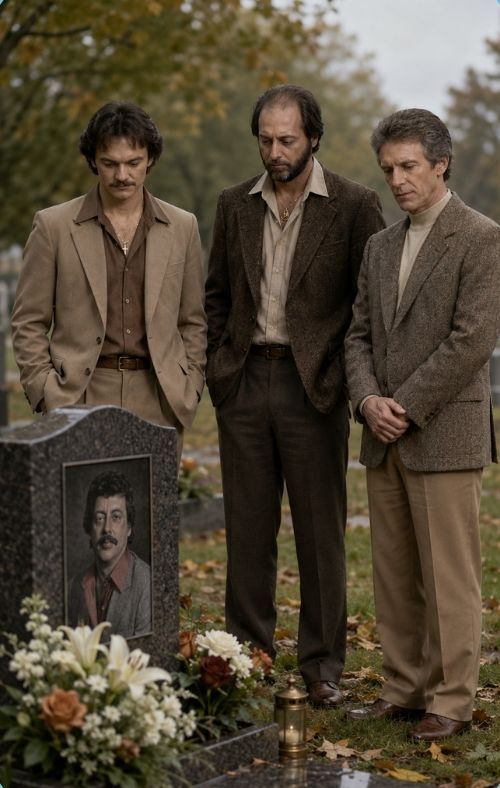
THE MORNING COUNTRY MUSIC WOKE UP TO FOUR EMPTY MICROPHONES was not marked by a breaking-news announcement, a public dispute, or a tragedy. It arrived quietly, almost respectfully, after the final notes had faded inside the Salem Civic Center in Virginia. The audience had gone home, the stage lights had dimmed, and the familiar harmony of The Statler Brothers had become part of memory. Yet for those who understood what the group represented, the silence that followed felt unusually heavy.
For 38 years, The Statler Brothers had offered country music something increasingly rare: permanence. Their voices were distinct, but they never seemed to compete with one another. Harold Reid’s deep bass brought humor and authority. Don Reid carried many of the group’s stories with warmth and clarity. Phil Balsley supplied a steady presence, while Lew DeWitt—and later Jimmy Fortune—helped shape the soaring harmonies that made the group instantly recognizable. Together, they sounded less like four performers standing side by side and more like one musical family breathing in perfect time.
Their farewell was powerful precisely because it was not surrounded by chaos. There was no bitter separation and no dramatic collapse. The men chose to leave while their friendship, dignity, and musical reputation remained intact. In an industry where final chapters are often complicated, The Statler Brothers walked away together — not in tragedy, but in grace. That decision gave their retirement a nobility that still resonates with longtime listeners.
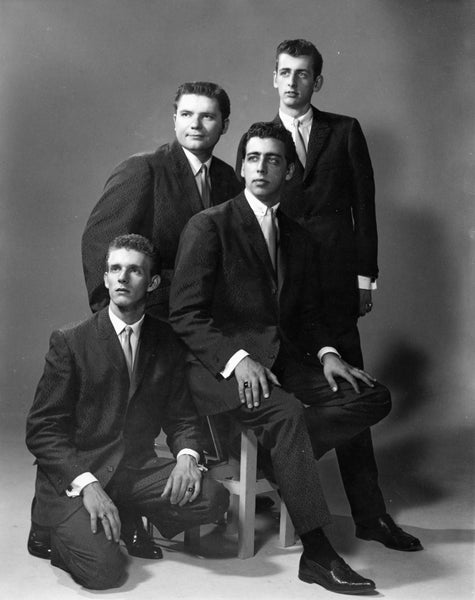
The setting made the moment even more meaningful. Salem was close to their Virginia roots, far removed from the artificial glamour that sometimes surrounds major farewell concerts. The Statlers had always carried the spirit of small-town America in their music: Sunday mornings, school memories, family photographs, old romances, neighborhood characters, patriotic pride, and the passage of time. Ending their touring career near home felt less like a theatrical exit and more like returning the final page of a treasured family album.
Their songs had never depended on fashionable production or passing trends. “Flowers on the Wall” introduced their wit and originality to a broad audience, while recordings such as “Bed of Rose’s,” “Class of ’57,” “Do You Remember These,” “Elizabeth,” and “More Than a Name on a Wall” revealed how skillfully they could balance humor, nostalgia, faith, and sorrow. They sang about ordinary lives with extraordinary understanding. Their finest performances reminded listeners that human dignity could be found in a classroom reunion, a handwritten letter, a mother’s memory, or the name of a fallen soldier.
That is why the image of four empty microphones carries such emotional force. The microphones themselves were only stage equipment, but they symbolized something much larger: the end of a dependable tradition. For decades, audiences knew exactly what they would receive from a Statler Brothers performance—careful harmony, clean humor, professional musicianship, and a deep respect for the people who had bought the records and filled the seats.

When the group retired, country music did not merely lose another touring act. It lost one of its strongest connections to an era when vocal groups could build lifelong careers through patience, discipline, and trust. Their departure created a space that could not easily be filled, because their appeal was rooted not only in talent but also in character.
The concert ended, and the applause disappeared. Yet the farewell never truly became silent. Every time an older listener hears those opening harmonies, every time a family shares one of their songs across generations, and every time country music remembers the importance of storytelling, The Statler Brothers return to the stage in spirit.
The microphones may have been empty that morning, but the legacy behind them was still singing.