Introduction

There’s something almost heartbreaking about watching a voice become part of your life, only to realize one day that it is no longer standing in the same place. For more than four decades, the Gaither Vocal Band has given gospel music some of its most memorable harmonies, powerful performances, and deeply moving moments. Through concerts, television broadcasts, recordings, and the beloved Homecoming series, generations of listeners have laughed, cried, worshipped, and celebrated alongside the group.
Yet one question has followed the Gaither Vocal Band through nearly every era: Why do so many of its most beloved singers eventually leave?
Whenever a familiar voice disappears from the lineup, speculation quickly follows. Some listeners assume there must have been tension behind the scenes. Others imagine that personal ambition or musical disagreements pulled the singers apart. Such explanations may sound dramatic, but they rarely capture the full truth.
The real story is quieter, more human, and ultimately more inspiring.
The Gaither Vocal Band did not keep losing exceptional voices because something inside the group was broken. It kept saying goodbye because Bill Gaither created an environment in which exceptional singers were able to grow. The group became not merely a permanent destination but also a remarkable chapter in the lives of artists whose talents would eventually lead them toward new responsibilities, ministries, families, and creative opportunities.
From the beginning, the Gaither Vocal Band was never defined by only one singer. Its identity rested upon a shared mission, a recognizable spirit, and a commitment to excellence that could survive changes in personnel. Every generation brought different strengths. Some singers arrived with astonishing vocal power. Others connected through warmth, humility, humor, or emotional honesty. Each voice contributed something that could not be perfectly duplicated.
That is why every lineup eventually felt irreplaceable.

Listeners would become attached to a particular combination of voices and begin to believe they were hearing the group’s definitive sound. Then another departure would be announced, creating disappointment and uncertainty. But after the pattern repeated across several decades, it became clear that change was not an unfortunate interruption in the Gaither Vocal Band’s history. Change was part of its history.
Success played an important role in these transitions. Joining the Gaither Vocal Band introduced singers to enormous audiences through national television, major recordings, extensive tours, and the influential Homecoming videos. Their voices became recognizable throughout the gospel community, and opportunities naturally began to multiply. Solo concerts became possible. Recording offers arrived. Personal ministries expanded. Invitations to churches and special events filled already demanding calendars.
Eventually, nearly every successful member faced the same difficult question: Could one person continue fulfilling all those commitments without neglecting family, health, personal calling, or creative growth?
Michael English became one of the group’s defining voices before pursuing a rapidly developing solo career. Guy Penrod helped shape one of the most popular periods in the ensemble’s history, yet he eventually entered a new season centered on his own music and ministry. David Phelps left, later returned, and ultimately moved forward again when balancing his many commitments became increasingly difficult.
Mark Lowry brought humor, warmth, and unforgettable personality to the stage, but greater independence allowed him to pursue speaking, comedy, songwriting, and solo appearances on his own schedule. Russ Taff, another distinctive voice associated with the group, also followed an individual musical path as his career developed.
Their journeys were not identical, but a common truth connects them: Most departures reflected changing seasons and priorities rather than destroyed relationships.
Audiences usually see only the finished performance. They witness two hours of effortless harmony, friendly conversation, and joyful music. They do not see the countless hours of travel, rehearsals, sound checks, interviews, recording sessions, hotel stays, and time spent away from home. The singers live every demanding hour required to create the brief performance the audience enjoys.
As artists grow older and their families change, those sacrifices can become harder to sustain. A singer may feel called to establish an independent ministry. A spouse, child, or aging parent may need more attention. Health may require a slower pace. The desire to record different material or accept new opportunities may become impossible to ignore.
These reasons may not produce sensational headlines, but they are the reasons that shape real lives.

Perhaps the most remarkable part of the Gaither story is that many former members remain connected to the wider Gaither family. They return for Homecoming gatherings, reunion performances, special recordings, and anniversary events. Their departure from the official lineup does not always mean the end of friendship or mutual respect. Often, it simply means the relationship has entered a new form.
The title beside a singer’s name may change, but the bond created through years of shared music often remains.
That continued connection is unusual in an industry where lineup changes can produce lasting division. Within the Gaither community, former members frequently celebrate one another’s achievements and return to sing together, reminding listeners that moving forward does not require erasing the past.
None of this makes the goodbyes painless. Music becomes woven into memory. A particular harmony may remind someone of a church service, a family journey, a difficult season, or a loved one who is no longer present. When a familiar singer steps away, listeners may feel that something connected to their own history has also disappeared.
But the Gaither Vocal Band’s long journey offers reassurance. Every time audiences feared the group’s finest era had ended, another extraordinary chapter began. New voices arrived with fresh energy, distinctive personalities, and remarkable gifts. The sound evolved, but the heart of the ministry remained remarkably consistent.
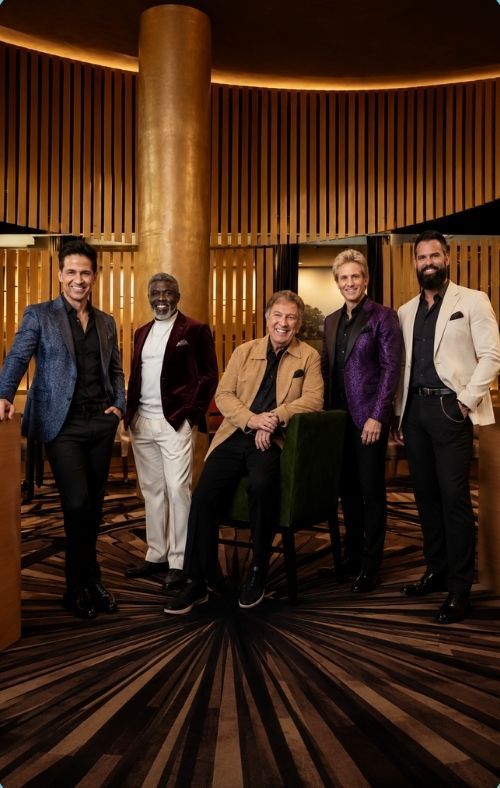
Perhaps there was never meant to be one perfect lineup. Each era possessed something the others could not reproduce. One generation brought unmatched power. Another offered tenderness, humor, maturity, or youthful enthusiasm. Together, they formed a legacy far greater than any single arrangement of singers.
That may be the greatest misunderstanding surrounding the Gaither Vocal Band. People often ask why the group could not hold onto its finest voices forever. But perhaps holding them forever was never the purpose. People grow. Families change. Ministries expand. Callings lead in unexpected directions.
Seen from that perspective, the history of the Gaither Vocal Band is not primarily a story about losing legendary singers. It is a story about giving remarkable artists a place to grow before they entered the next season of their lives. At the same time, it is a story about welcoming new talent without abandoning the values that made the group special.
Every goodbye carried genuine sadness, but every goodbye also created space for another voice, another harmony, and another story.
So perhaps the better question is not why the Gaither Vocal Band had to say goodbye to so many of its greatest singers. Perhaps the better question is this: If so many extraordinary artists chose to spend an important part of their journey beside Bill Gaither, and continued honoring that connection long after leaving, does that not reveal the true strength of the legacy he built?
The Gaither Vocal Band’s greatest achievement may not be that one perfect lineup stayed together forever. It may be that its music, mission, and sense of family continued—even when the voices changed.