Introduction
Some musical performances are remembered because they are technically impressive, while others remain in the heart because they seem to carry an entire family history within every note. The recent gathering of Wilson Fairchild, sons of the Statler Brothers, and Jack and Davis Reid, grandsons of the Statler Brothers, belonged unmistakably to the second category. Together, they sang a Statler Brothers classic, “Bed of Rose’s,” last night at the Lincoln Jamboree, creating a moving bridge between country music’s cherished past and its promising future.
The special program, presented as The Statler Experience, brought Wilson Fairchild and Jack and Davis Reid together at Kentucky’s historic Lincoln Jamboree. Wilson Fairchild consists of cousins Wil and Langdon Reid, the sons of Statler Brothers members Harold and Don Reid. Jack and Davis represent the next generation of the same remarkable musical family. The official event presentation described them proudly as the sons and grandsons of Don and Harold Reid, making the evening much more than an ordinary tribute concert. It was a genuine family continuation of the music that helped shape American country harmony.
From the opening notes of “Bed of Rose’s,” there was a sense that the audience was hearing something deeply personal. This was not a group of unrelated performers attempting to imitate a famous recording. These were family members who had grown up surrounded by the stories, melodies, humor and values associated with the Statler Brothers. They understood not only how the song should sound, but also why it continues to matter.
Written by Harold Reid and released by the Statler Brothers in 1970, “Bed of Rose’s” became one of the group’s most distinctive recordings and reached the Top 10 on Billboard’s country chart. Its unusual title, using the name Rose, immediately suggested that this would not be a conventional country song. Beneath its memorable melody was a thoughtful story about loneliness, judgment, compassion and the dignity of people whom respectable society too easily overlooks.
That message remains meaningful decades later. The Statler Brothers were masters at presenting serious ideas through music that sounded warm, approachable and beautifully arranged. Their songs rarely depended upon unnecessary noise or theatrical display. Instead, they trusted memorable words, carefully balanced voices and the quiet power of storytelling. “Bed of Rose’s” is an excellent example of that tradition. It encourages listeners to look beyond appearances and recognize kindness in places where others may refuse to see it.
The Lincoln Jamboree performance carried that philosophy forward. Wilson Fairchild brought the confidence and stagecraft of musicians who have spent years honoring their fathers while also establishing an identity of their own. Their voices contained familiar shades of classic Statler harmony, yet the performance never felt like a museum reproduction. It sounded alive, affectionate and grounded in the present.
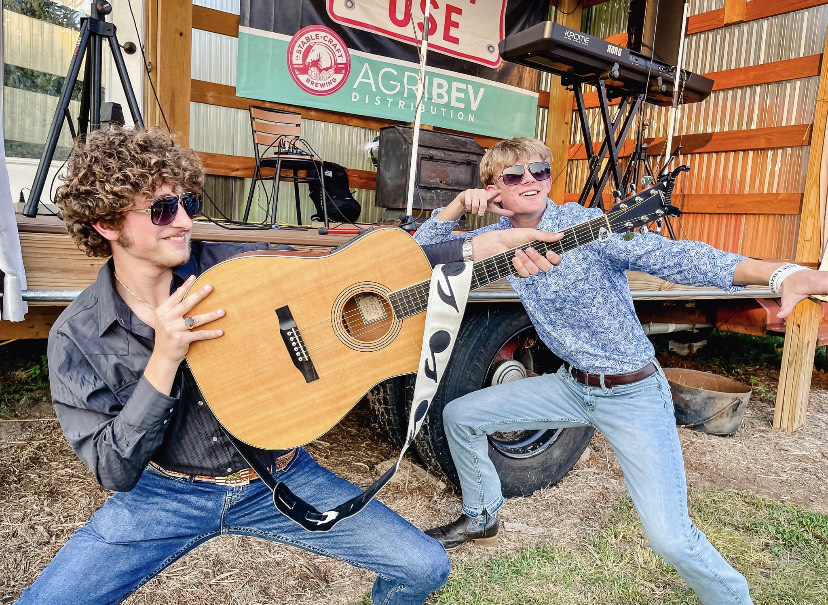
When Jack and Davis Reid joined them, the emotional meaning became even stronger. Four voices from two younger generations stood together singing a song written by their family more than half a century earlier. For longtime listeners, it must have felt like watching old photographs gradually come to life. Familiar vocal patterns returned, not as distant echoes, but as living expressions passed naturally from fathers to sons and from grandfathers to grandsons.
The Statler Brothers officially retired from touring in 2002, but their musical influence did not disappear when they left the stage. Their official history continues to celebrate one of country music’s most decorated vocal groups, while Wilson Fairchild and Jack and Davis Reid have helped ensure that the family’s tradition of harmony, storytelling and good-hearted entertainment remains visible to a new audience.
There was also something especially appropriate about hearing this music at the Lincoln Jamboree, a venue built around the enduring values of live country entertainment. In an age when performances can be heavily polished and quickly forgotten, this gathering offered something refreshingly sincere: four family members, a classic song and an audience prepared to listen.
For older country music admirers, the moment offered reassurance that the music they treasured has not been abandoned. For younger listeners, it provided an introduction to a style in which harmony serves the story and every voice contributes to a greater whole. Most importantly, the performance demonstrated that a musical legacy survives not simply because famous songs continue to be played, but because each generation finds a personal reason to sing them again.
When Wilson Fairchild, Jack and Davis Reid reached the final harmony of “Bed of Rose’s,” they were doing more than remembering the Statler Brothers. They were showing that this family’s music still has somewhere meaningful to go. The names may represent different generations, but the values remain beautifully familiar: strong voices, thoughtful words, respect for the audience and an enduring belief that the finest country songs should always tell us something about the human heart.