Introduction
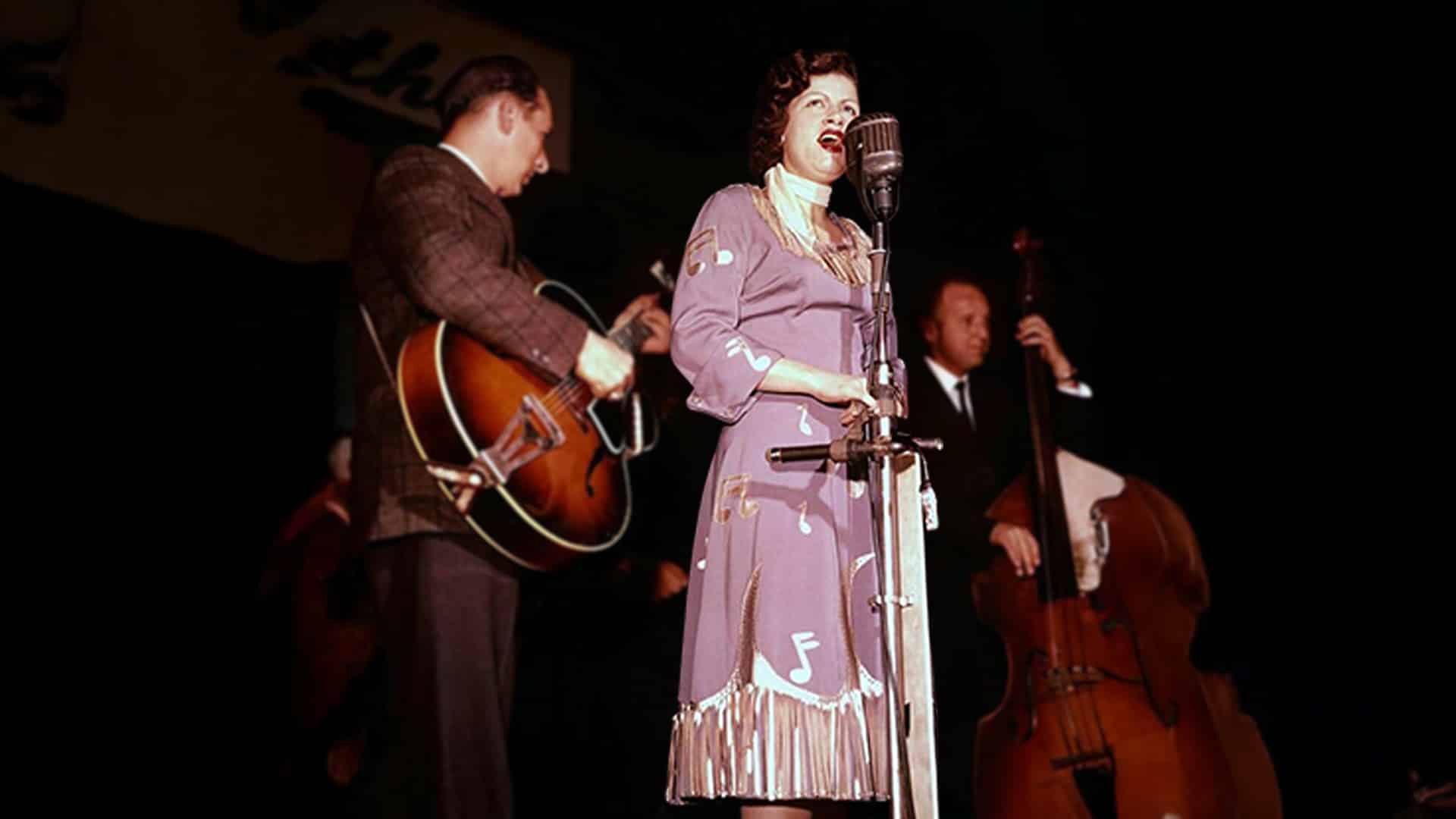
The Song Patsy Cline Didn’t Want to Sing — And the One Take That Changed Country Music Forever
Few songs in American music carry the quiet power, emotional elegance, and lasting mystery of “Crazy.” More than six decades after Patsy Cline first brought it to life, the song still feels as intimate as a late-night confession and as polished as a timeless standard. It is not simply a country ballad. It is a rare meeting point between country, pop, jazz, and heartbreak, delivered by one of the most unforgettable voices of the twentieth century.
“Crazy” is one of the most iconic songs in country music history. Written by Willie Nelson, the song might have remained just another beautifully crafted composition if it had not found its perfect interpreter in Patsy Cline. Nelson’s writing had a conversational sadness to it — simple words, but emotionally complex. The melody moved in ways that were unusual for traditional country at the time, almost as if it were drifting through smoke in a small after-hours lounge. It required a singer who could do more than hit the notes. It required someone who could make vulnerability sound dignified.
Patsy Cline did exactly that.
Yet the story behind the recording makes the performance even more remarkable. It was written by Willie Nelson and became famous through Patsy Cline’s unforgettable 1961 recording. At first, Patsy reportedly did not connect with the song. Its phrasing was unconventional, and its style did not immediately feel like an obvious fit. But producer Owen Bradley, whose ear for elegance helped shape the Nashville Sound, believed deeply in its potential. He understood that Patsy’s voice could bring warmth, pain, and sophistication to the song in a way no one else could.
What makes the story even more remarkable is that Patsy initially did not like the song at first. That detail has become part of the song’s legend because it reminds us how many masterpieces begin with uncertainty. Great music is not always recognized instantly, even by the people destined to make it immortal.
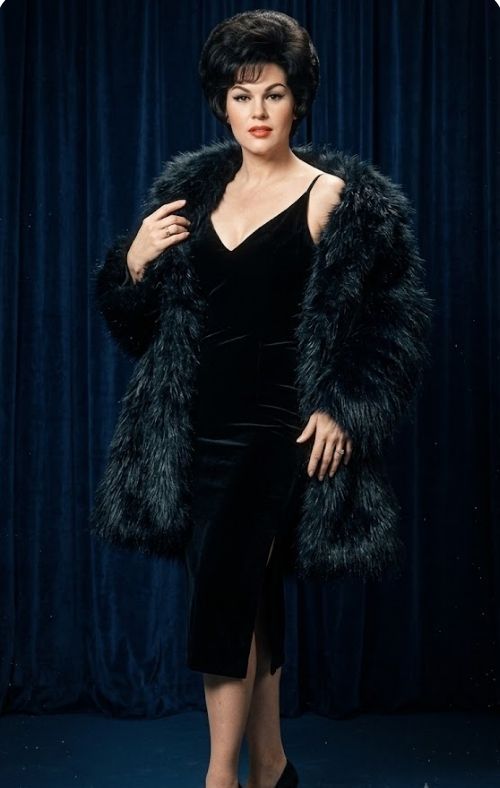
At the time, Patsy was also recovering from a serious car accident, which made the recording process more difficult. Her strength had not fully returned, and the song’s demanding vocal lines required control, breath, and emotional balance. After an initial struggle in the studio, she came back later and delivered the performance that country music would never forget.
Producer Owen Bradley persuaded her to record it, and after some difficulty in the studio — partly because she was still recovering from a serious car accident — she returned and delivered the vocal in a single take. That performance later became legendary.
That single take is now part of music history. Patsy Cline did not over-sing the song. She did not turn it into a dramatic display. Instead, she let every word breathe. Her voice carried restraint, ache, pride, and resignation all at once. That is why “Crazy” continues to move listeners across generations. Older audiences hear in it the grace of a vanished era, while younger listeners discover a performance so honest that it feels untouched by time.
In the end, “Crazy” became more than a hit. It became a standard, a signature, and a reminder that the greatest recordings often happen when talent, timing, persuasion, and emotion meet in one fragile moment. Patsy Cline may not have loved the song at first, but once she sang it, the world never heard it the same way again.