Introduction
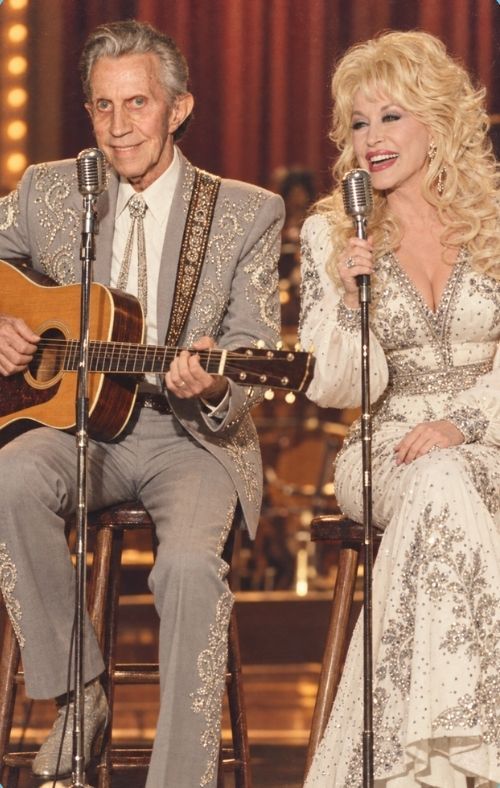
Some country songs offer more than a melody to remember. They give us a way to think about the years behind us—and a little courage for the years still ahead. “Tomorrow Is Forever,” performed by Porter Wagoner and Dolly Parton, belongs to that thoughtful tradition. It speaks to the difficult business of leaving old sorrow behind, asking whether two people can build something lasting without allowing yesterday to determine every step they take.
The title alone carries a promise worth considering. “Tomorrow Is Forever” suggests that the future remains open, even when the past feels settled and unchangeable. For listeners who have experienced disappointment, reconciliation, or the quiet uncertainty of beginning again, that idea has particular weight. There comes a point in life when optimism becomes a deliberate choice. This song finds its emotional strength in that choice.
What makes the performance so appealing is the relationship between the two voices. Porter Wagoner brings a grounded, conversational quality that gives the sentiment a sense of practical commitment. His delivery feels direct and unhurried, allowing the listener to hear the seriousness beneath the reassurance. Dolly Parton, with her bright, expressive tone, adds tenderness and an unmistakable emotional presence. Together, they make the song’s promise sound like something being worked toward by two people who understand its importance.
Their contrasting vocal colors are central to the experience. Each voice retains its own character, yet the shared passages create a feeling of agreement. That is one of the enduring pleasures of a well-matched country duet: the listener hears individual feeling become a shared intention. Here, the harmony helps communicate the very thing the song is asking for—trust.
There is also something refreshing about the song’s emotional economy. Its central idea does not require an elaborate story. The past has brought pain; the future offers possibility. Between those two truths lies the human decision to move forward. The performance gives that decision room to breathe, making familiar sentiments feel personal rather than merely decorative.
For older listeners, “Tomorrow Is Forever” may carry meanings that deepen with experience. Beginning again can mean repairing a relationship, accepting forgiveness, or simply learning to stop revisiting a hurt that can no longer be changed. The song leaves space for those private associations. Its reassurance is gentle enough to accompany the listener’s own memories.
That openness helps explain why a performance like this invites repeated listening. On one occasion, the beauty of the harmonies may stand out most. On another, it may be the resolve beneath the words: the willingness to believe that happiness still deserves a chance.
Ultimately, Porter Wagoner and Dolly Parton make “Tomorrow Is Forever” feel intimate, hopeful, and deeply human. Their voices turn a simple promise into a meaningful invitation—to loosen yesterday’s hold, meet the present with tenderness, and allow tomorrow to become something worth sharing.