Introduction
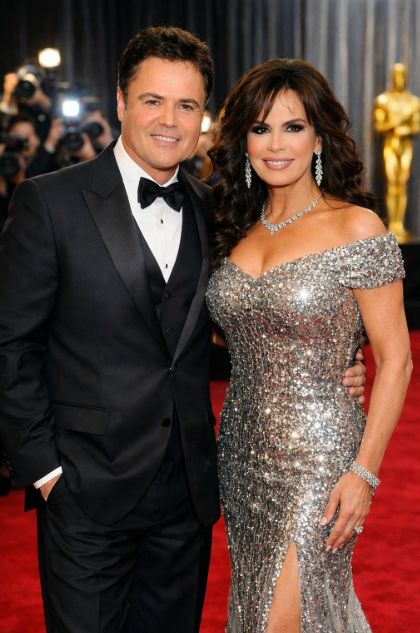
When Love Comes Back Wiser: Marie Osmond’s “Miracle” Reunion—and the Quiet Music of a Second Beginning
Marie Osmond revealed she remarried the same man because, over time, they both grew and healed — realizing that what once seemed important no longer was. She described their reunion as a “miracle” and said it felt like God’s timing; they quietly dated for years before marrying again, and now she calls him her best friend, someone who loves her for who she truly is.
There’s a kind of love story that doesn’t fit neatly into headlines. It isn’t loud. It isn’t dramatic. It doesn’t arrive like fireworks—it arrives like sunrise. For older listeners, especially those who’ve lived long enough to understand what time can do to pride, perspective, and pain, Marie Osmond’s words land with a particular resonance. Because what she’s describing isn’t simply a romantic twist. It’s a mature confession about the long, slow work of becoming someone capable of peace.
If you’ve followed Marie’s career, you know her life has always balanced two demanding worlds: the precision of show business and the vulnerability of being human in public. That tension can make relationships feel like they’re living under a magnifying glass. Every smile becomes a message. Every private chapter risks becoming a public narrative. And yet, her account of this reunion suggests something almost countercultural in celebrity life: patience. Years of quiet dating. Years of letting the noise settle. Years of discovering, without forcing it, whether two people can return to each other with fewer illusions and more honesty.
From a music critic’s perspective, the most powerful word in her statement might be “healed.” Because healing is not a sudden event—it’s a new rhythm. It’s learning how to listen without preparing your defense. It’s learning how to apologize without bargaining. It’s learning how to value what actually sustains a life together: steadiness, kindness, and the humility to admit that you once mistook urgency for importance. When Marie says what “once seemed important no longer was,” she’s describing the same shift that happens in great music over time. A younger singer may chase range and power; an older singer learns that phrasing, restraint, and truth carry farther.
Her use of “miracle” and “God’s timing” will speak deeply to many older readers because it frames the story not as a victory of willpower, but as a surrender to something bigger than ego. In that frame, love isn’t a prize you seize—it’s a gift you’re finally ready to hold. The quiet years before remarriage become the proof: not impulsive hope, but tested trust.
And then there’s the line that feels like the emotional chorus: “my best friend… who loves me for who I truly is.” That is not a fairytale line. It’s a grown-up line. It’s what people say when they’ve stopped performing—even for someone they love. In the end, this isn’t just a reunion. It’s a second beginning with a different kind of music: less about thrill, more about home.