Introduction
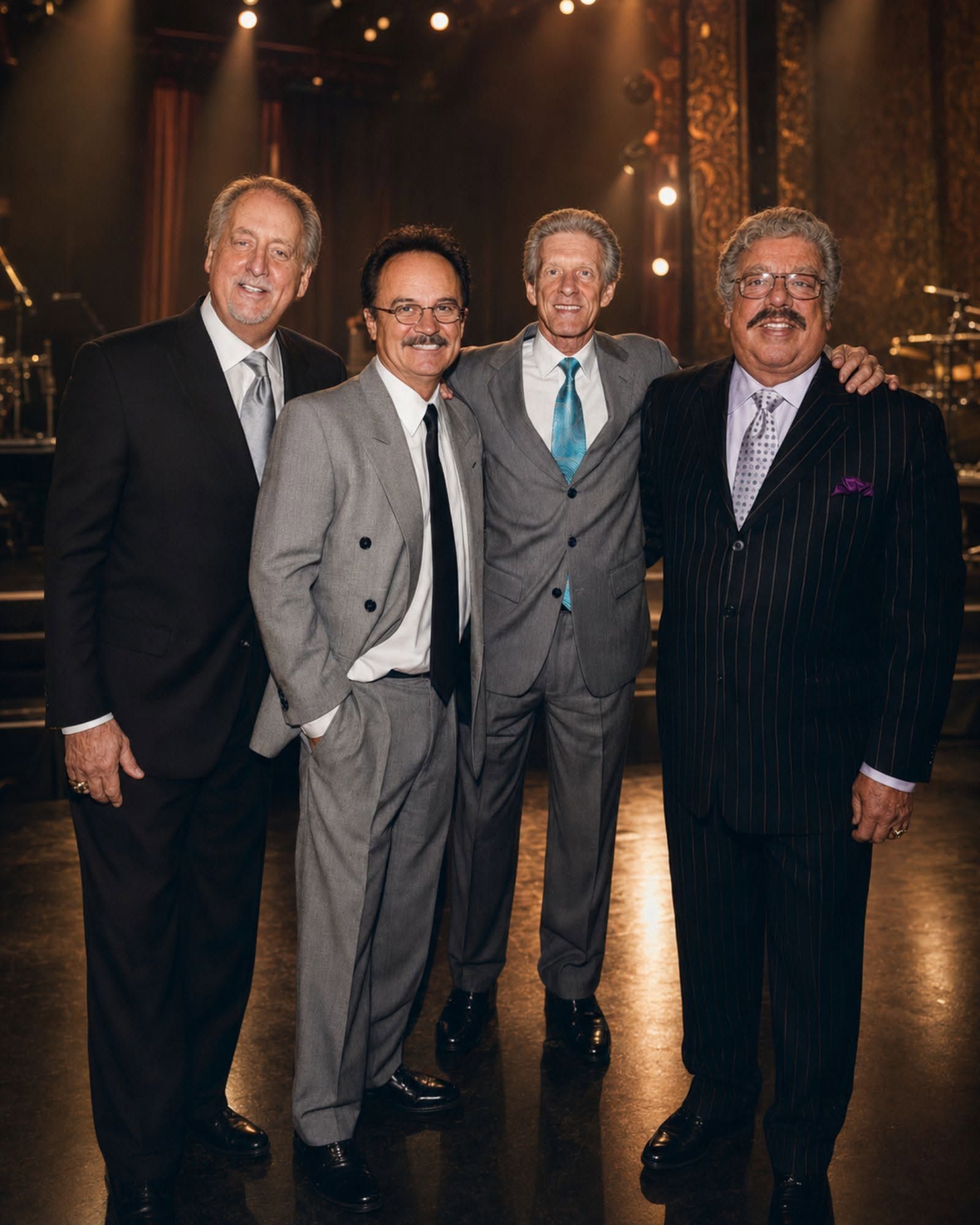
THE STATLER BROTHERS DIDN’T SING LIKE MEN CHASING FAME. THEY SANG LIKE MEN WHO UNDERSTOOD HOME. That single thought may explain why their music still carries such a powerful emotional weight decades after their greatest recordings first reached the public. In a world where fame often demands noise, reinvention, and spectacle, The Statler Brothers built their legacy on something quieter and far more lasting: sincerity.
Before they became one of the most beloved vocal groups in country music history, they were simply four men from Staunton, Virginia, shaped by faith, family, humor, memory, and the familiar rhythms of small-town life. Harold Reid, Don Reid, Phil Balsley, and Lew DeWitt did not sound manufactured. They sounded remembered. Their harmonies had the rare quality of making listeners feel as though they had heard those voices somewhere before — perhaps in a church service, around a kitchen table, on a Sunday drive, or through an old radio playing in the background of childhood.
What made The Statler Brothers remarkable was not only their technical blend, though that blend was extraordinary. Harold Reid’s unforgettable bass gave the group warmth and depth. Don Reid’s lead voice carried the story forward with calm authority. Phil Balsley’s baritone provided smoothness and balance. Lew DeWitt’s high tenor lifted the harmony with tenderness and clarity. Together, they created a sound that felt both polished and deeply human.
Songs such as “Flowers on the Wall,” “Bed of Rose’s,” “I’ll Go to My Grave Loving You,” and “The Class of ’57” endured because they were never just performances. They were portraits. Each song seemed to open a door into ordinary lives — people aging, remembering, loving, laughing, grieving, and trying to make peace with time. The Statlers understood that country music is often most powerful when it speaks plainly. They did not need to exaggerate emotion. They trusted the story, the melody, and the truth inside the harmony.
For older listeners especially, their music can feel like a return to something nearly lost. It recalls an era when songs were written to be understood, when voices were allowed to age with dignity, and when humor and heartbreak could sit comfortably in the same room. The Statler Brothers had a gift for making nostalgia feel honest rather than sentimental. They reminded audiences that memory is not weakness. Sometimes memory is the place where gratitude lives.
That is why their songs still matter. They gave country music not just hits, but companionship. Fans did not merely admire them from a distance; they trusted them. The Statler Brothers sang about home because they understood that home is more than a place. It is a sound, a feeling, a face from long ago, a voice you never quite forget. And in their harmonies, millions of listeners heard all of that calling back to them.