Introduction
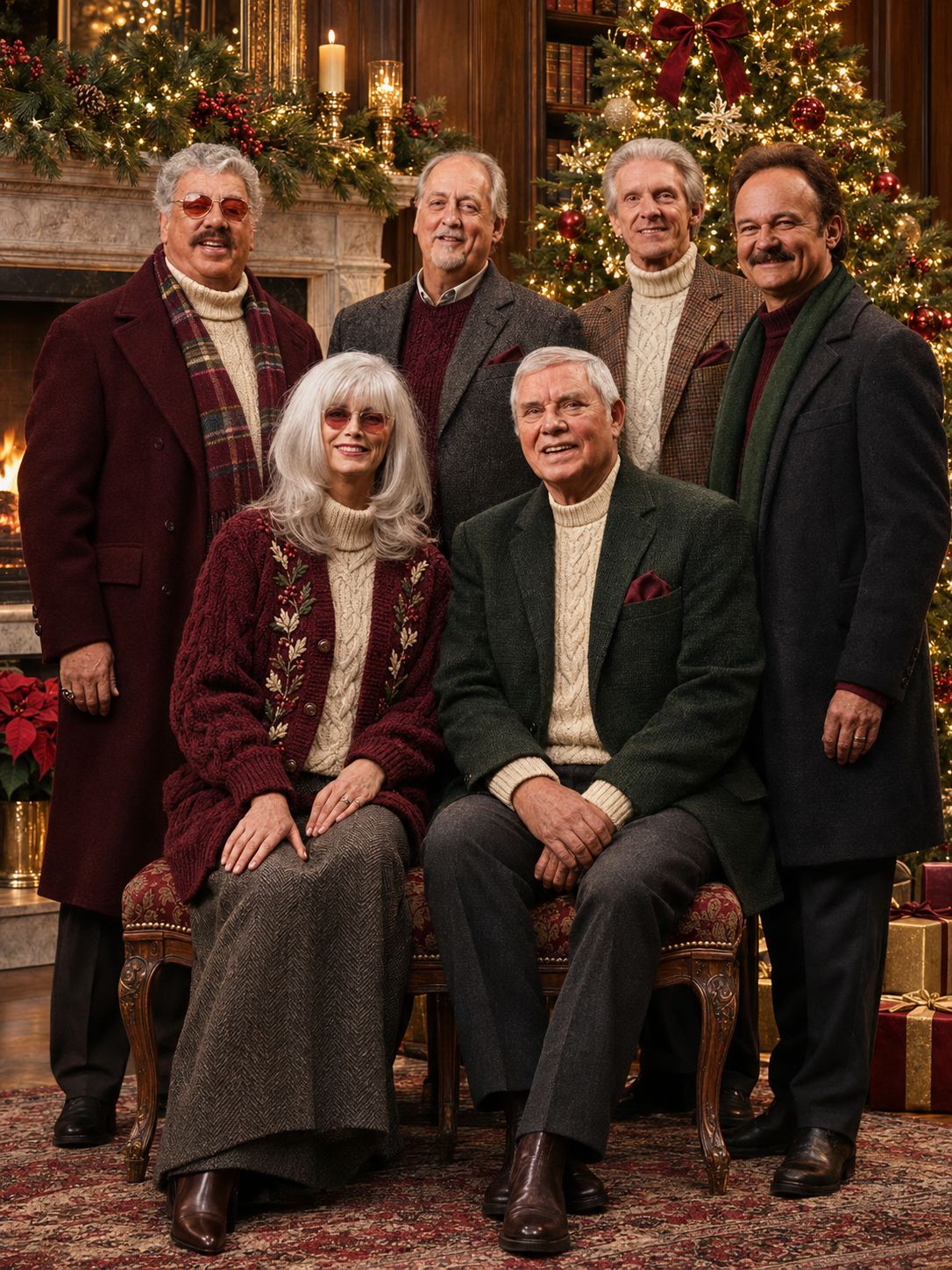
Some songs grow more meaningful as we grow older. Their melodies remain familiar, but the stories inside them begin to sound different. We hear the passing years, recognize the weight of ordinary memories, and understand feelings that once seemed far away. The Statler Brothers’ “This Ole House,” often remembered as “This Old House,” belongs comfortably among those songs. It appears in the group’s official recording catalog, carrying a title that promises something modest and familiar while opening the door to a much deeper reflection.
Written by Stuart Hamblen, the song uses a weathered house to explore the end of an earthly journey. Its central image is easy to picture: a once lively home gradually giving way to age, its worn condition reflecting the life of the person who has inhabited it. Yet the song’s emotional power comes from the spirit with which it faces that decline. Beneath its lively movement lies an expression of faith, acceptance, and readiness for what comes next.
For listeners who have watched a family home change over the decades, that image can feel remarkably personal. A doorway may recall a parent waiting for everyone to return. A kitchen may bring back Sunday meals, familiar conversations, and the comforting sounds of a household beginning its day. The song leaves room for these private associations. Its old house becomes a place where listeners can recognize something of their own lives.
The Statler Brothers bring a particularly fitting musical character to this material. Their blend gives the song warmth and definition, allowing its reflective subject to move with an engaging sense of purpose. Harold Reid’s deep bass voice provides a strong foundation, adding a grounded, human presence that suits the imagery beautifully. His importance as the group’s bass singer is also remembered in the Statlers’ own account of his life.
What makes the performance rewarding is the relationship between its energy and its meaning. The forward motion suggests confidence, even as the words invite thoughts of age and mortality. That combination allows a listener to smile while feeling something considerably deeper. There is a quiet dignity in music that can acknowledge life’s limits with such a willing heart.
Older listeners may find particular comfort in that perspective. With experience comes a clearer understanding that the things we maintain so carefully—our homes, our routines, even our physical strength—cannot remain as they were forever. “This Ole House” gives musical shape to that recognition. Its spiritual outlook offers reassurance, while its familiar domestic imagery keeps the message close to everyday life.
Listen, too, to how effectively the song welcomes repeated hearing. On one occasion, its rhythmic lift may be what stays with you. On another, the image of that aging home may call someone dearly remembered to mind. The same performance can offer enjoyment, reflection, and consolation, depending on what the listener brings to it.
Through close harmony, a memorable musical character, and a story rooted in memory and faith, the Statler Brothers make this old song feel inviting and enduring. For anyone who has loved a home, watched the years pass, or found strength in the promise of a heavenly welcome, “This Ole House” offers a moving reason to listen again.