Introduction
Remember The Statler Brothers? What Happened to Them Is Heartbreaking. For listeners who grew up with their records, that question brings back more than a familiar melody. It recalls voices drifting from a kitchen radio, Saturday evenings spent watching country music on television, and songs that seemed to understand ordinary lives. Their harmonies offered warmth, humor, and companionship. Looking back at their story means remembering remarkable success alongside illness, loss, and the difficult passage of time.
Rooted in Virginia, Harold Reid, Don Reid, Phil Balsley, and Lew DeWitt developed a sound shaped by gospel quartet singing. Joining Johnny Cash’s road show in 1964 gave them a national platform. Then came “Flowers on the Wall,” DeWitt’s distinctive composition, which became their breakthrough hit in 1965. Its lively arrangement carried an undercurrent of loneliness—a combination that still makes the recording arresting. Beneath the polished harmonies was an understanding that people sometimes hide their deepest disappointments behind an easy smile.
That emotional sensitivity helps explain why their music continues to reward close listening. Harold’s bass supplied both authority and a mischievous spark; Don’s lead gave the stories clarity; Phil’s baritone helped bind the arrangement together; and Lew’s tenor brought brightness above it. Their best performances allowed those individual qualities to remain audible while serving the song. The pleasure was in hearing four distinct personalities arrive at the same emotional destination.
The most painful early change involved Lew DeWitt. Years of Crohn’s disease made the demands of touring increasingly difficult, and he left the group in 1982. He had recommended Jimmy Fortune as a temporary replacement, helping the quartet find a way forward even as his own circumstances changed. DeWitt later pursued a less demanding solo career before declining health forced another retirement. He died on August 15, 1990, at 52, of heart and kidney disease. Behind the familiar recordings was a gifted musician whose working life had required considerable endurance.
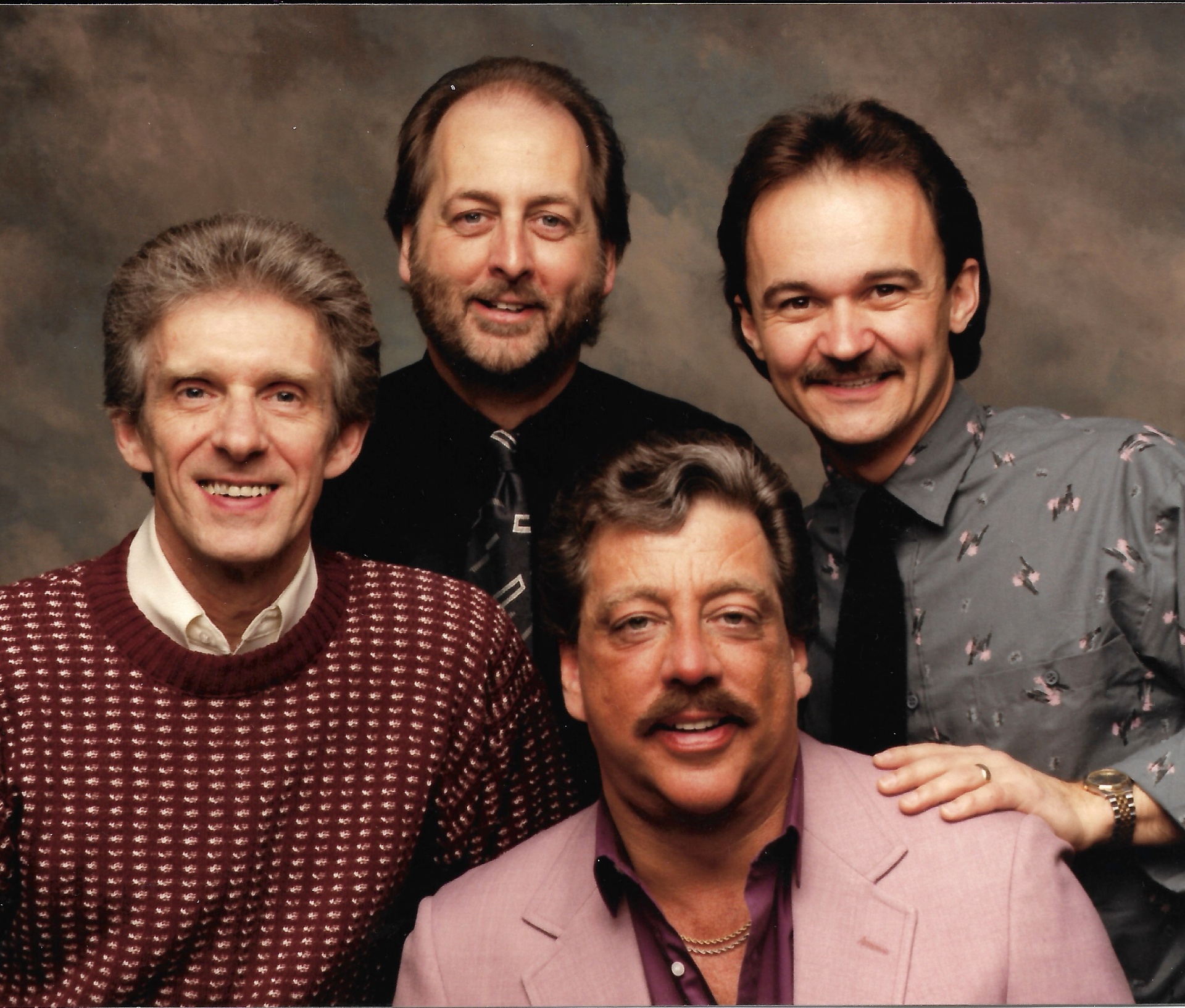
Fortune’s arrival opened another meaningful chapter. His songwriting contributed enduring favorites, including “Elizabeth” and “Too Much on My Heart.” The group continued recording, touring, and welcoming viewers through its television work before retiring from the road in 2002. For longtime admirers, that farewell carried a particular sadness: an experience they had counted on would now belong to memory. Their induction into the Country Music Hall of Fame in 2008 recognized the extraordinary career they had built together.
Don Reid and Phil Balsley stepped away from the touring routine with that retirement. Harold Reid also embraced life at home in Virginia, surrounded by family. His death on April 24, 2020, at 80, brought another profound loss to the Statler story. For fans, his absence reaches beyond the deep voice on the records; it includes the comic timing and unmistakable presence that made their performances feel so welcoming.
Perhaps their legacy is most clearly heard when an old recording catches us unprepared. A harmony enters, a remembered phrase returns, and suddenly we think of someone who once listened beside us. The Statler Brothers gave those everyday connections a musical home. Their story contains heartbreaking goodbyes, but the recordings preserve something wonderfully immediate: the sound of people listening closely to one another, finding their places, and making a song feel like shared experience.