Introduction

AT 83, GENE WATSON STILL SINGS IN THE SAME KEY AS HE DID 30 YEARS AGO — AND WHEN HE STEPS ON THE OPRY STAGE, OTHER ARTISTS STOP WHAT THEY’RE DOING JUST TO WATCH. YET HE’S NEVER BEEN IN THE COUNTRY MUSIC HALL OF FAME.
There are country singers with long careers, and then there are country singers whose very presence seems to remind the genre what it once was. Gene Watson belongs to the second group. He is not merely a survivor of another musical era. He is one of the last living proofs that country music, at its purest, never depended on fashion, noise, or spectacle. It depended on truth in the voice. And few voices in Nashville history have carried more truth than his. Watson was born in 1943, making him 82 as of April 17, 2026, with his 83rd birthday coming in October. The Grand Ole Opry lists his birth date as October 11 and notes that he officially joined the Opry on February 7, 2020.
What makes Gene Watson so remarkable is not simply endurance, though more than six decades onstage would be enough to earn most artists lasting reverence. It is the quality of that endurance. According to his official biography, he is still singing in the same key he sang in 30 years ago, still carrying that unmistakable clarity, still delivering songs with the emotional control and unforced elegance that made fellow artists call him “The Singer’s Singer.” That title is not empty praise. His peers have openly admired him, and artists including Vince Gill, Lee Ann Womack, Alison Krauss, Rhonda Vincent, Trace Adkins, Connie Smith, and Willie Nelson have been associated with recording alongside him or championing his artistry.
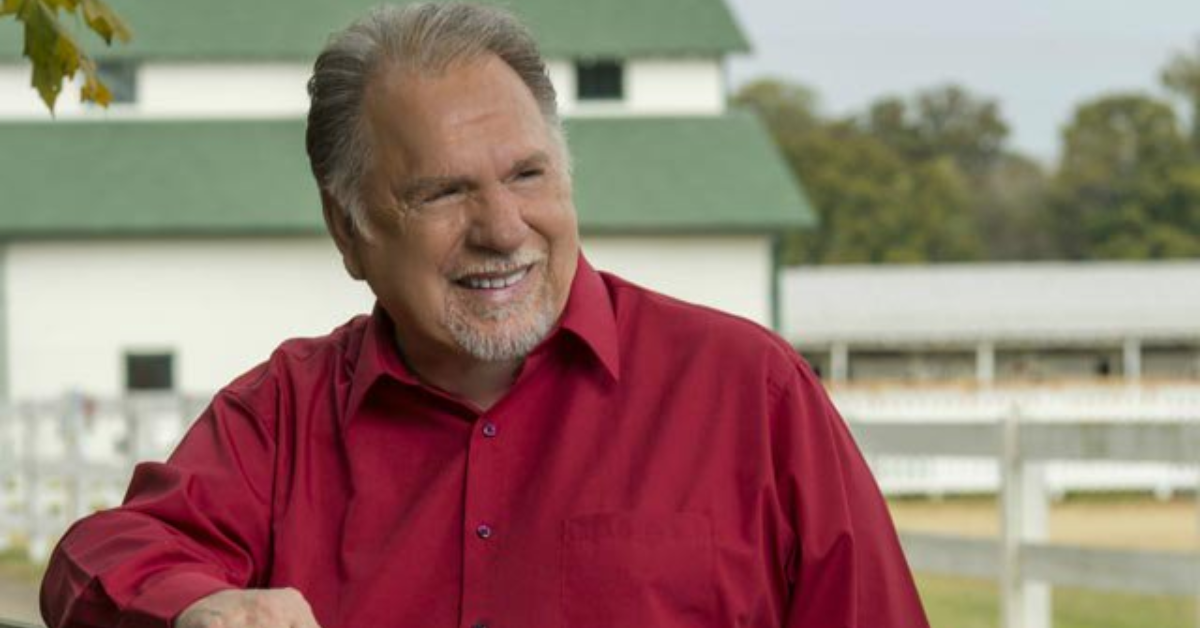
And perhaps that is what makes his story so moving. Gene Watson has all the markers of a legend, yet he still feels untouched by the machinery that usually turns legends into institutions. He grew up in poverty, traveling with his family in a converted school bus as his father moved from one hard job to another across Texas, Arkansas, Oklahoma, and beyond. Crop-picking, tire shops, logging, salvage yards—this was not the polished beginning of a future star. It was the making of a man who learned early that dignity comes from work, not applause. In his own telling, he worked on cars by day, sang in clubs by night, and never really chased fame at all. Music, as he memorably put it, found him.
That detail may be the key to understanding why Gene Watson inspires such unusual devotion. Even after success, even after chart hits, even after becoming one of the most admired pure vocalists in country music, he never fully separated himself from ordinary labor. His official biography says he never totally abandoned his auto repair business. That fact does more than make him sound humble. It explains the center of gravity in his life. Watson has always carried himself like a working man who happened to possess one of the great country voices of his generation, not like a celebrity waiting to be admired.
His résumé is stronger than many more decorated names. His official bio credits him with 34 studio albums, more than 72 charted songs, 23 Top Tens, and 11 No. 1 country and gospel hits across a sixty-year career. The Opry recognizes him as a member, and even the Country Music Hall of Fame and Museum has featured him in programming, press materials, and artifacts from his career. Yet I could not verify him as an actual Country Music Hall of Fame inductee from the Hall’s official member pages or announcements, which strongly supports the point that he remains outside that institution despite his stature.

That absence is exactly why Gene Watson’s story still stirs such strong feeling among serious country listeners. He represents a kind of excellence the modern industry often praises in private more easily than it honors in public. When he walks onto the Opry stage, the room is not responding to nostalgia alone. It is responding to authority—earned, weathered, unmistakable authority. In Gene Watson, country music hears one of its clearest voices still standing. And maybe that is why the Hall of Fame debate refuses to go away: because some artists do not merely deserve recognition. They expose the limits of every institution that has not yet recognized them.