Introduction
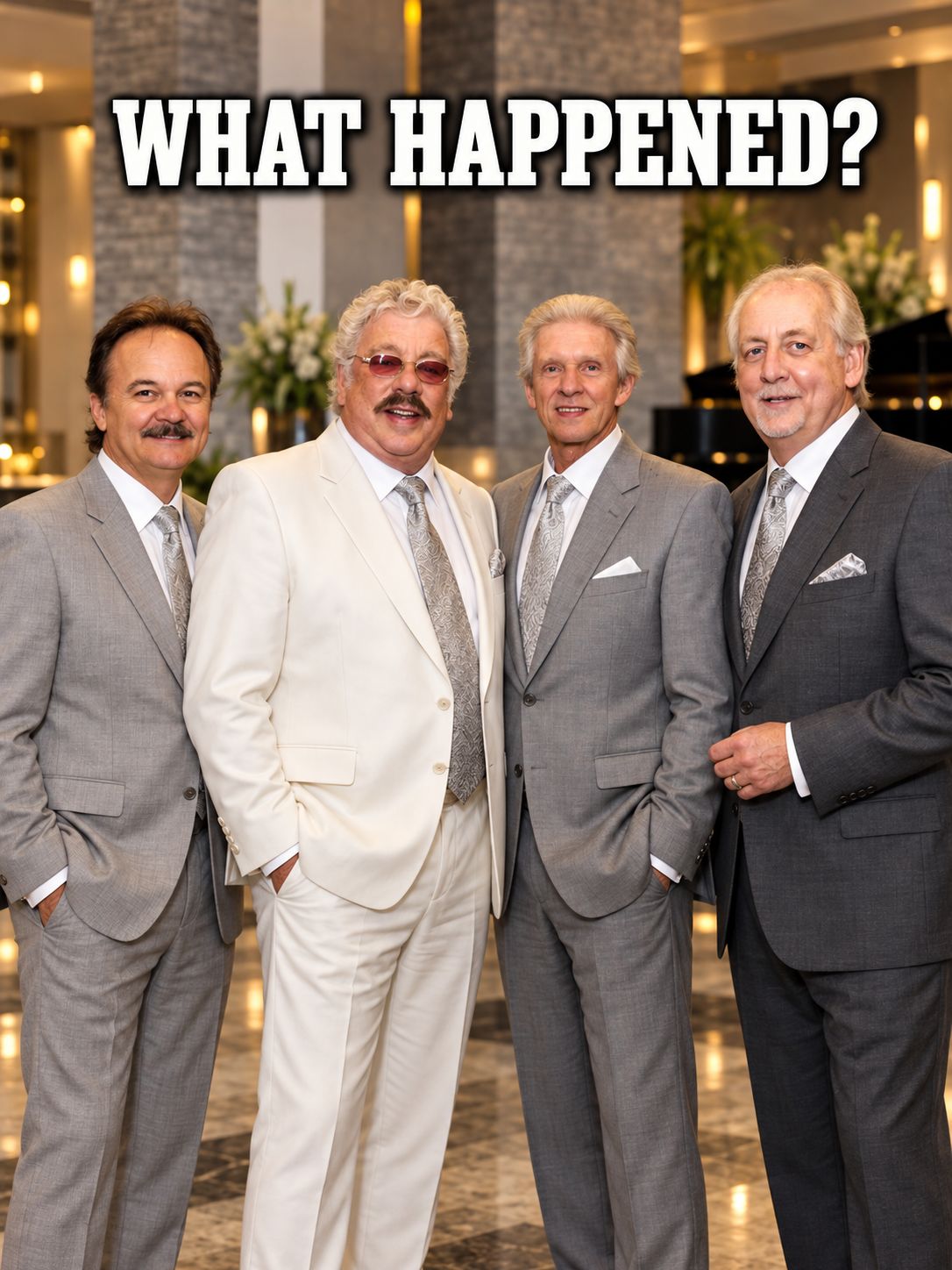
For anyone who remembers hearing The Statler Brothers on a kitchen radio, during a Sunday afternoon drive, or from a television in the family living room, their harmonies carry something more personal than familiarity. They recall a time when a song could tell a complete story, a little humor could soften a difficult day, and four voices could make strangers feel like old friends. Their music offered companionship, delivered with a warmth that never seemed hurried or manufactured. Looking back across their career, however, one of their most affecting chapters concerns the moment they decided to bring their years of touring to a close.
The group’s musical identity grew from Staunton, Virginia, and the discipline of gospel quartet singing. Harold Reid, Don Reid, Phil Balsley, and Lew DeWitt developed a sound in which every voice had a clear purpose. Their association with Johnny Cash brought that blend to a wider audience, while DeWitt’s “Flowers on the Wall” established their distinctive personality on record. Its unusual perspective and memorable arrangement helped it reach both country and pop listeners, demonstrating how far a carefully constructed quartet performance could travel.
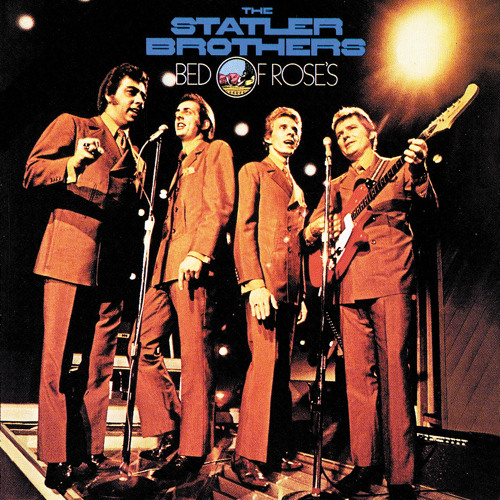
Listen closely to their recordings and the craftsmanship becomes apparent. Harold’s bass provides weight without overwhelming the melody. The upper voices bring brightness, while the middle harmonies give the sound its reassuring fullness. Each part serves the story. Even when an arrangement sounds effortless, there is considerable judgment behind it: when to hold a note, when to let a phrase breathe, and when to allow a simple word to carry the emotion.
That restraint helps explain why their songs about memory remain so moving. In “The Class of ’57,” the passing years become recognizable through ordinary lives and altered expectations. Listeners need no dramatic explanation to understand its appeal. Most have wondered what became of an old classmate, remembered an ambition that changed, or discovered that growing older brings both gratitude and unanswered questions. The Statlers understood how much feeling could live inside an everyday observation.
Their history also includes the difficulty of carrying a familiar sound through change. When Lew DeWitt left the group because of illness in 1982, Jimmy Fortune became his permanent replacement. That transition preserved the quartet while opening another chapter in its music. Fortune subsequently wrote major hits including “Elizabeth,” “My Only Love,” and “Too Much on My Heart.” His contribution gave listeners new songs to cherish alongside the earlier recordings.

Perhaps this is why their retirement feels so meaningful to longtime admirers. The Statler Brothers retired from concerts and touring in 2002, leaving behind a body of work that fans could continue to revisit. Their official account records an extraordinary collection of honors, including three Grammy Awards and nine CMA Vocal Group of the Year awards. Yet awards describe only part of the relationship they built with their audience. The deeper achievement was becoming a dependable presence in people’s lives.
For an older listener, a farewell such as theirs invites reflection beyond the stage. There comes a point when time at home, familiar surroundings, and the company of loved ones acquire a different value. Hearing their music with that understanding adds tenderness to songs already concerned with passing seasons and enduring connections.
Their final goodbye belongs within that larger story. The records still offer the same careful harmonies, gentle wit, and attention to ordinary human experience. Return to The Statler Brothers today, and what emerges is a lasting musical gift: the feeling that someone has remembered the same world you remember—and found the right voices to sing about it.