Introduction
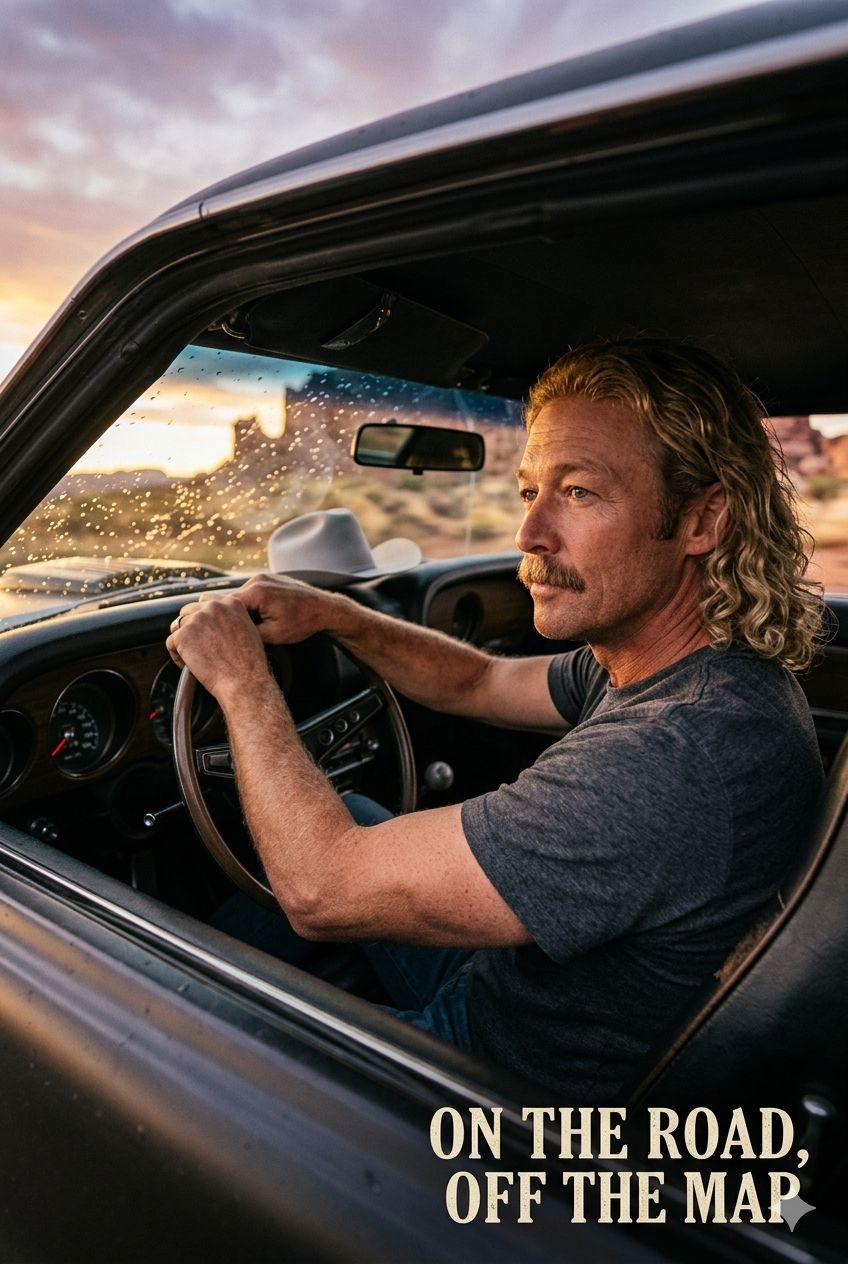
There are songs that entertain us for a season, and then there are songs that stay with us for life. Alan Jackson – Drive belongs firmly in the second category. It is not just a country hit, not just a well-written ballad, and certainly not just another nostalgic look backward. It is something rarer than that. It is a song that understands how memory works—how the smallest moments in life often become the biggest ones in the heart. For older listeners especially, this song carries a quiet authority. It does not need to raise its voice. It does not rely on grand drama. Instead, it speaks in the language of lived experience, family, time, and loss.
What makes Alan Jackson – Drive so enduring is the remarkable simplicity of its storytelling. Alan Jackson does not decorate the song with unnecessary detail. He gives us a father, a son, a boat, an old car, and a few ordinary moments that become sacred through remembrance. That is the genius of the piece. It reminds us that the most meaningful parts of life are often the ones that seemed almost too common to notice at the time. A driving lesson. A day on the water. A parent’s steady hand. A child learning more than he realizes. These are not flashy images, but they are deeply human ones, and that is precisely why the song lands with such force.
Jackson’s performance is central to the song’s emotional power. He sings with restraint, which makes every line feel more believable. There is no sense of performance for performance’s sake. He sounds like a man revisiting chapters of his life that still carry weight, still echo in the silence, still return without warning. That emotional honesty is something mature listeners tend to recognize immediately. We know when an artist is merely singing a lyric, and we know when he is living inside it. In Alan Jackson – Drive, Jackson does the latter. He does not rush the emotion. He lets it arrive naturally, much the way memory itself arrives—quietly, and then all at once.
The song also stands as one of country music’s finest examples of how personal storytelling can become universal. Even listeners who never learned to drive from their father, never sat in an old pickup, or never spent a day in a small fishing boat can still feel the truth of what Jackson is expressing. At its heart, this is a song about inheritance—not money or property, but something far more lasting. It is about the values, habits, affections, and moments passed from one generation to the next. It is about what remains after someone is gone. More importantly, it is about how love often survives in motion—in the things we were taught to do, the roads we still travel, and the rituals we continue almost without thinking.

There is also something deeply American in the emotional landscape of the song, though its meaning reaches much farther than any one place or tradition. The imagery of driving, learning, wandering, and remembering taps into a cultural understanding of freedom, responsibility, and family life. But the emotional core is universal: we all come to understand, sooner or later, that time is moving faster than we imagined. Songs like this matter because they help us pause long enough to feel that truth. They allow us to revisit the people who shaped us, not as distant figures from the past, but as living presences in our memory.
In the end, Alan Jackson – Drive remains unforgettable because it honors ordinary life without ever making it seem small. It reminds us that some of the richest parts of our story were built in simple moments we once took for granted. That is why the song continues to resonate so strongly with thoughtful, seasoned listeners. It is not only about where we came from. It is about who helped carry us there—and how their influence still rides beside us, mile after mile.