Introduction
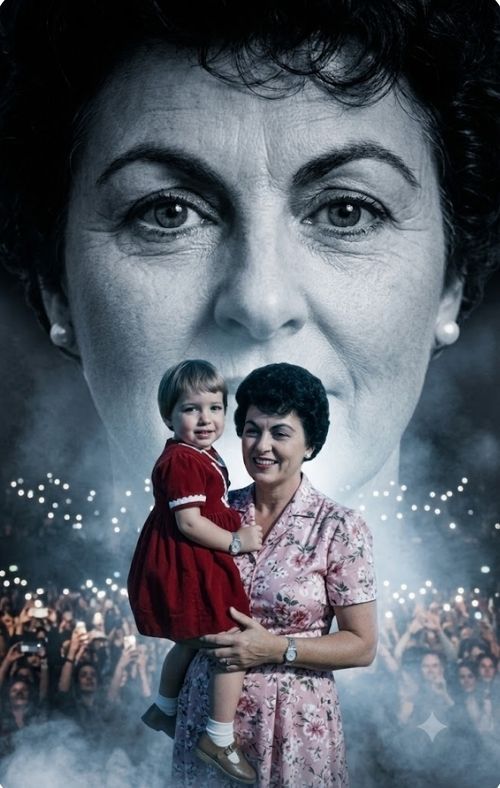
The Greatest Tragedy in Patsy Cline’s Story Wasn’t the Plane Crash — It Was the Two Tiny Children She Left Behind
For more than six decades, the name Patsy Cline has carried a weight that few voices in American music can match. She was not merely a country singer; she was a bridge between heartbreak and dignity, between honky-tonk sorrow and polished emotional truth. Her voice had that rare ability to sound both wounded and strong, as if every note had survived something before it reached the listener. Songs like “Crazy,” “I Fall to Pieces,” and “Sweet Dreams” did not fade with time. They settled into the memory of America.
Yet behind the legend, behind the jukebox glow and the standing ovations that came long after her death, there remains a quieter story — one that still feels almost too painful to touch.
The world remembers the plane crash of March 1963 as the terrible moment that silenced Patsy Cline. It was sudden, shocking, and cruelly final. At only thirty years old, she was at the height of her artistic power, a woman whose voice had already changed country music and was still reaching farther. But the deepest tragedy of her passing was not only what music lost. It was what two small children lost.
When Patsy died, her daughter was only four years old. Her son was just two. They were far too young to understand fame, legacy, radio charts, or the meaning of a final goodbye. To the world, Patsy Cline became an immortal voice. To them, she was simply Mama — the woman whose arms, laughter, and daily presence vanished from their childhood forever.
That is the part of her story that turns admiration into grief. A song can be replayed. A photograph can be preserved. A legend can be honored. But a child cannot rewind a lost morning, cannot ask the questions that come years later, cannot reclaim the ordinary moments that matter most: bedtime comfort, birthday candles, a mother’s advice, a familiar voice in the kitchen.
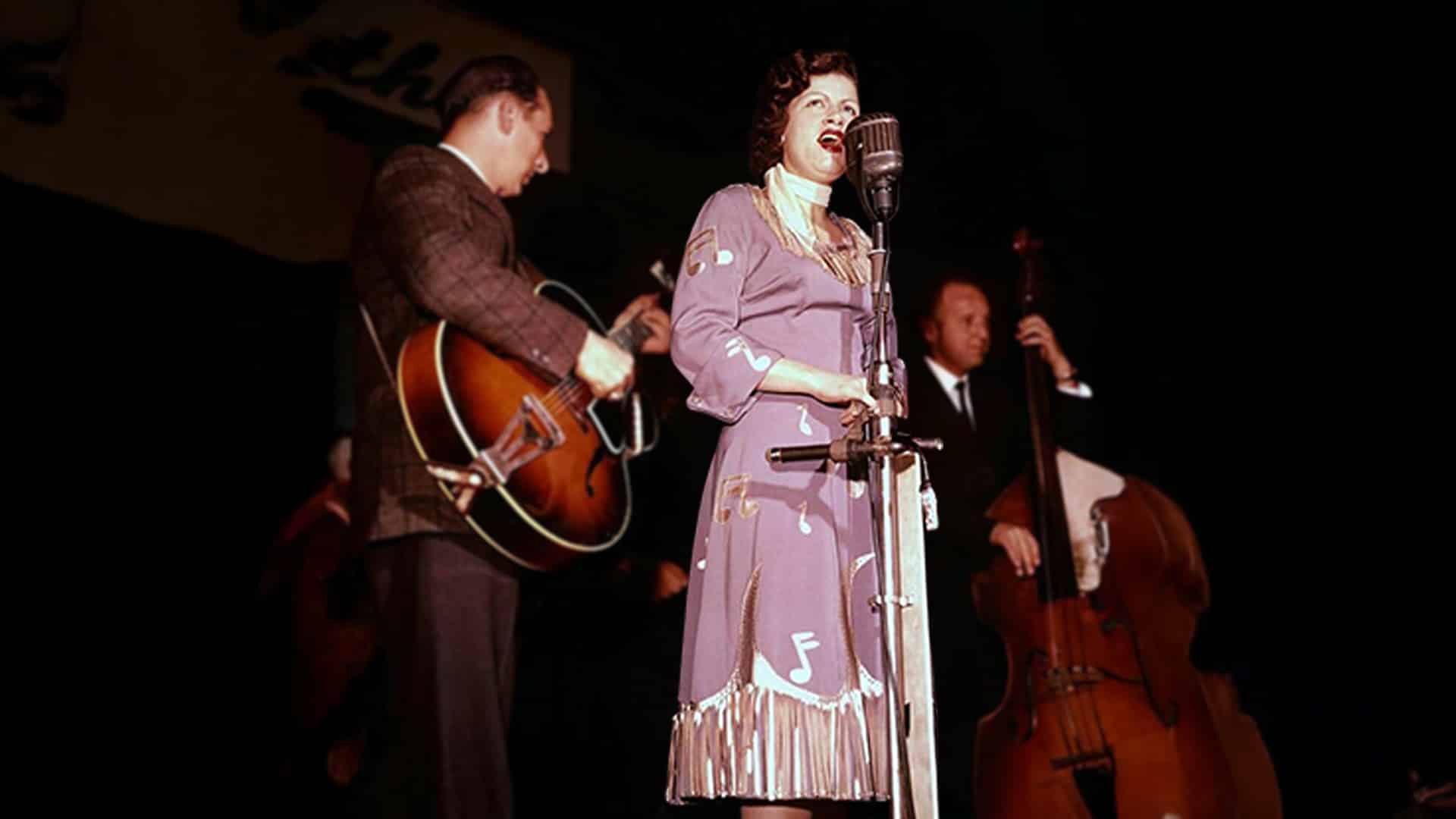
This is why Patsy Cline’s story remains so powerful. Her music continues to move generations because it already carried the sound of longing. But when we understand the family she left behind, those songs become even more fragile, even more human. “Sweet Dreams” no longer feels like only a classic recording. It feels like an echo from a life interrupted.
Patsy Cline’s legacy is often described through her influence, her courage, and her unforgettable voice. All of that is true. But perhaps the most heartbreaking truth is this: the world gained an icon, while two children lost the center of their world.
And that quiet loss may be the deepest note in her song.