Introduction
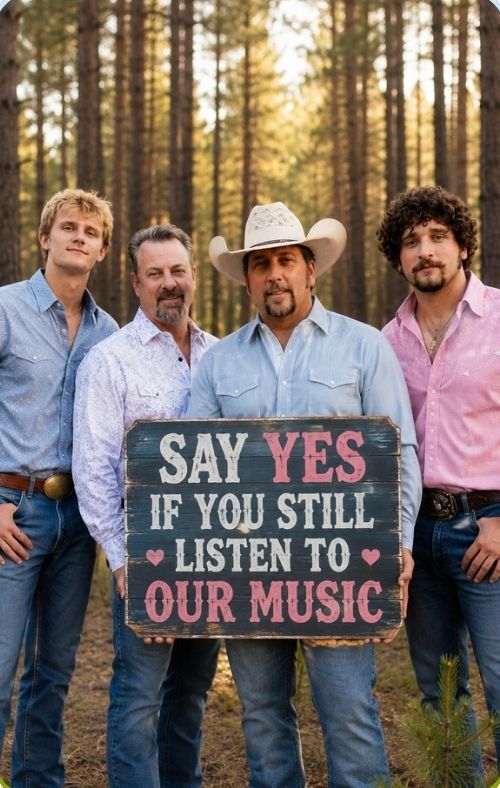
THREE GENERATIONS. ONE SMALL TOWN. ONE LAST NAME. THE REID FAMILY OF STAUNTON, VIRGINIA REFUSES TO LET COUNTRY MUSIC’S GREATEST HARMONY FADE AWAY. That sentence alone feels less like a headline and more like a family vow. In country music, legacy is often measured by gold records, sold-out theaters, awards, and museum plaques. But for the Reid family of Staunton, Virginia, legacy has always meant something quieter, deeper, and far more personal: voices gathered together, a name carried with care, and a harmony that began in a small church nearly seventy years ago.
Long before The Statler Brothers became one of the most beloved vocal groups in American country music, Harold and Don Reid were simply two young men from a modest Virginia town, learning how much power could live inside a well-blended voice. Their sound was never built on flash. It was built on trust, timing, faith, humor, and the kind of emotional honesty that made listeners feel as though they were hearing their own family memories turned into song. When they later toured with Johnny Cash, won three Grammy Awards, and earned their place in the Country Music Hall of Fame, the world discovered what Staunton had known from the beginning: the Reid family harmony was not ordinary.
What makes this story remarkable is not only what Harold and Don achieved, but what their children and grandchildren chose to preserve. Wil and Langdon Reid, performing as Wilson Fairchild, did not simply imitate their fathers. They honored them by carrying the spirit forward with respect, humility, and their own musical identity. Now, with Jack Reid and Davis Reid stepping into the light, the family story has entered a moving third chapter. Jack’s lead vocals and guitar, joined by Davis’s harmony and keyboard, bring a fresh generation into a tradition that still feels rooted in the same soil.
The Statler Experience Tour in 2026 is more than a concert series. It is a living family album set to music. Fathers, sons, and grandsons share the same stage, not as a nostalgic display, but as proof that certain sounds can survive time when they are protected by love. In an industry that often chases whatever is new, the Reids remind us that some of country music’s greatest treasures are not meant to be replaced. They are meant to be handed down.

And then there is Staunton itself — the quiet heartbeat of the whole story. Many artists leave home and never look back. The Reid family did something rarer. They allowed home to remain the center of their identity. That is why their music still carries such warmth. It does not sound manufactured. It sounds remembered.
But perhaps the most emotional part of this chapter is Jack Reid’s recent confession about his late grandfather Harold. For longtime fans, Harold Reid was more than a bass voice. He was warmth, wit, character, and family history made visible. To hear a grandson speak of him from the stage is to understand that this legacy is not preserved by fame alone. It is preserved by grief, gratitude, and the courage to keep singing when someone beloved is no longer standing beside you.
The Reid family story is not finished. In many ways, it is still unfolding — one town, one name, one harmony at a time.