Introduction
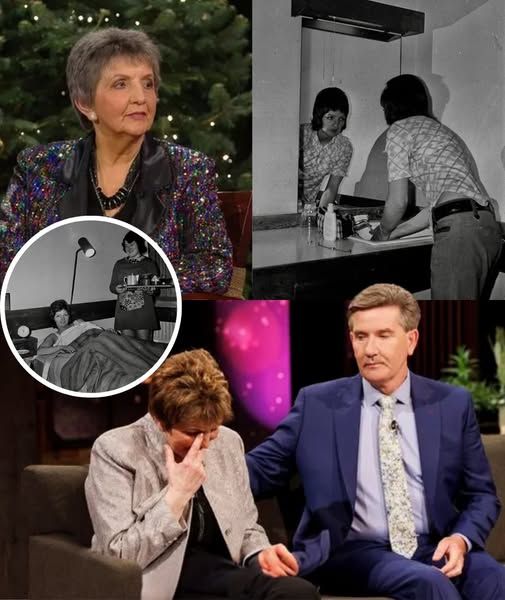
For listeners who know Margo O’Donnell as the warm, assured voice of Irish country music, it can be difficult to imagine the uncertainty she once carried onto the stage. Her songs have offered generations of fans a familiar kind of comfort. Yet Margo has spoken openly about years when performing, family responsibility and private disappointment weighed heavily on her. Her story gives those songs another dimension: the voice that comforted others belonged to someone who also needed comfort herself.
In a 2020 interview for RTÉ’s Keys to My Life, Margo described a dream of marriage and children that did not unfold as she had hoped. She also discussed a wedding that fell through and a long struggle with alcohol and painkillers. Those are deeply personal experiences, and they deserve more than a dramatic headline. They help explain why themes of longing, home and endurance can feel so close to the surface when she sings.
The loss of her father was another defining part of her life. Margo has described how his death changed her circumstances and how the demands of a music career took a toll. It would be too simple to assign one cause to her addiction or reduce decades of experience to a single heartbreak. What her accounts make clear is that success before an audience did not spare her from grief or difficulty away from it.
Daniel O’Donnell has a place in this story, though Margo’s experiences remain her own to tell. He began performing with his older sister’s band before becoming a star in his own right. That shared musical history gives their relationship special meaning to listeners: before audiences knew Daniel’s gentle stage manner, Margo had already made room for him in the world she knew. Her contribution to his beginnings is part of her legacy, alongside her own recordings and performances.
Country music often gives its clearest expression to feelings people have trouble saying aloud. A restrained melody can hold regret without explaining every detail; a familiar refrain can make room for both sorrow and hope. Hearing Margo with some knowledge of her life does not require us to treat every lyric as autobiography. It invites us to appreciate the discipline of a singer who kept communicating with her audience through difficult years.
The claim that Daniel revealed a profound “secret she will never reveal” deserves particular care. The accounts of Margo’s interviews support what she chose to share about her wedding, her hopes for a family and her addiction. They do not establish the nature of an additional hidden issue. Her silence, if there is something she wishes to keep private, is hers to maintain.
What remains in public view is substantial enough: Margo O’Donnell built a lasting career, spoke candidly about painful chapters of her life, and helped her brother take his first steps in music. When her voice reaches an old friend in the audience—or someone hearing her for the first time—that history lends it depth. There is no need to solve a mystery to hear the courage in it.