Introduction
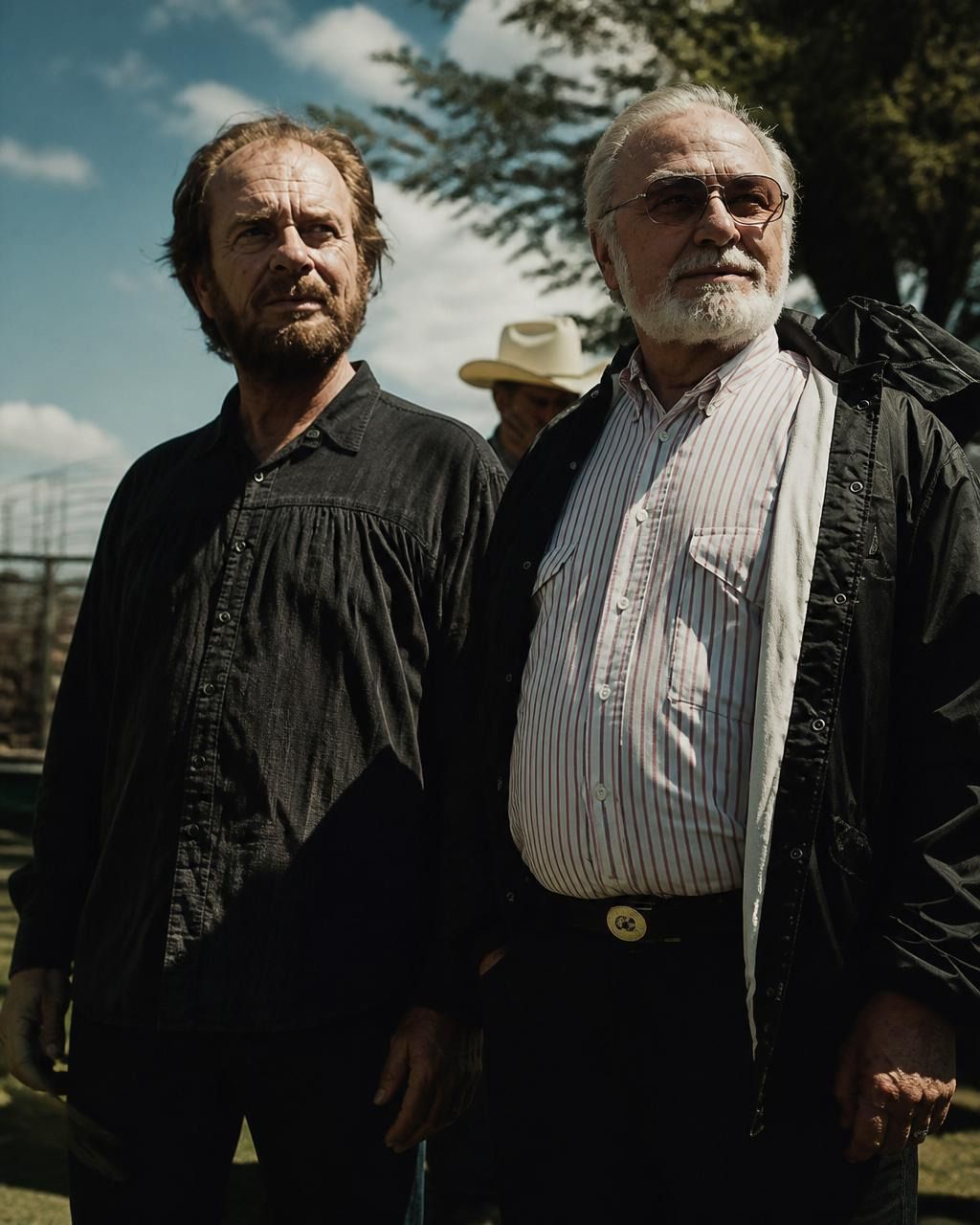
“BECAUSE OF ROY, MY CAREER COMMENCED.” — MERLE HAGGARD SAID IT PLAINLY. Few sentences in country music carry that kind of weight. Merle Haggard was not a man known for empty praise. He spoke like he sang — direct, unsentimental, and rooted in hard truth. So when Merle gave Roy Nichols that kind of credit, he was not simply honoring a sideman. He was acknowledging the man whose guitar helped shape the very foundation of his sound.
In 1965, Merle Haggard was still becoming Merle Haggard. The voice was there. The stories were there. The Bakersfield grit was already beginning to rise from the dust. But every great country singer needs a musical frame strong enough to hold his truth, and Roy Nichols provided exactly that. In 1965, Roy Nichols was already a name in Bakersfield. He’d played with Wynn Stewart. He had the kind of reputation that did not need shouting. Other musicians knew. Guitar players listened closely when he picked up that Telecaster.
Roy’s playing was sharp, bright, and disciplined, but never cold. Other guitarists watched him work — that Telecaster of his could bend notes so clean it sounded almost like a steel guitar. Then Merle came calling. That detail matters, because the Bakersfield Sound was not built on softness or polish. It was built on clarity. It cut through the room. It sounded like honky-tonk floors, highway miles, barroom heartbreak, and working-class pride. Roy Nichols understood how to make a guitar speak without wasting a word.
When Merle was forming The Strangers, he wanted Roy for his first tour. Roy’s decision became one of those quiet turning points in music history. He was putting together The Strangers and wanted Roy for his first tour. Roy said yes — and walked away from $250 a week to take $125. Half his paycheck. Gone. Just like that. That was not just a financial choice. It was belief. It was instinct. It was one musician recognizing that another man’s songs had somewhere important to go.
Roy did not arrive with demands fit for a star. His only conditions were quiet ones. He didn’t drive. He carried his own amp. And he wanted to know where his bed was every night. There is something deeply old-country about that image — a master guitarist carrying his own equipment, asking for little, and giving everything once the music began.
What he gave Merle was not decoration. It was architecture. What he gave Merle in return became the spine of those high years — that sharp, bright, unsentimental edge people now call the Bakersfield Sound. His guitar helped remove the gloss that had begun to cover so much country music. It brought the sound back to the floorboards, the bandstand, and the lived-in truth of the song. The thing that cut Nashville’s shine off, one note at a time.
That is why Roy Nichols should never be remembered as merely the man standing behind Merle Haggard. He was part of the reason Merle could stand so tall in the first place. The voice carried the words, but Roy’s guitar carved the road beneath them. And when Merle later looked back and gave Roy that plain, powerful credit, he confirmed what careful listeners had known all along: sometimes the man who changes everything is not the one at the microphone, but the one standing just behind him, making history sound inevitable.