Introduction

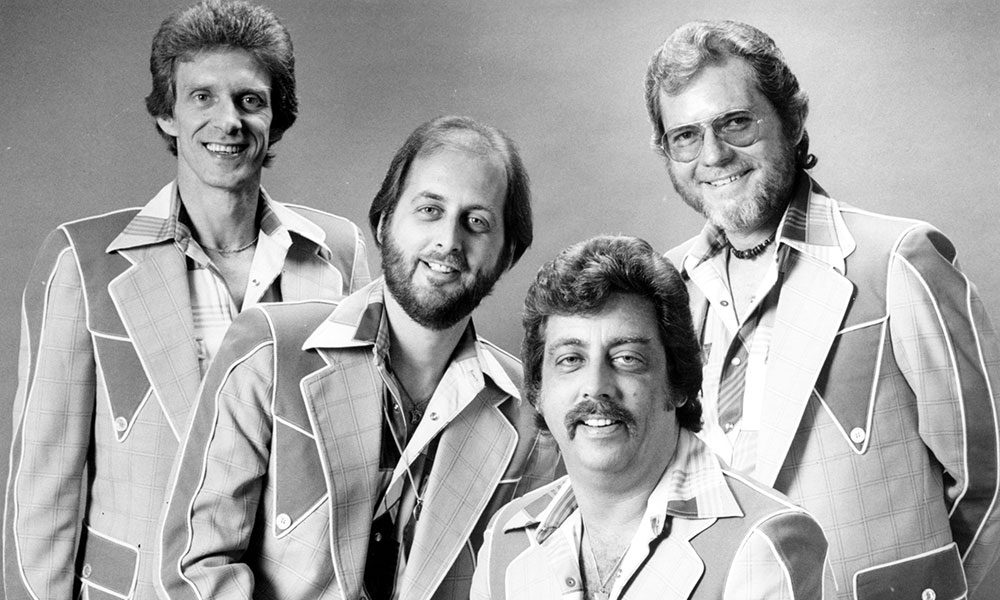
THE STATLER BROTHERS DIDN’T SING LIKE MEN CHASING FAME. THEY SANG LIKE MEN WHO UNDERSTOOD HOME. That simple truth may explain why their music still lingers so deeply in the hearts of listeners who grew up believing that a song should mean something. Long before country music became crowded with spectacle, image, and noise, The Statler Brothers built their legacy on something far quieter and far more lasting: trust. When they sang, people did not feel as though they were being entertained from a distance. They felt as though someone had opened the front door, pulled out a chair, and invited memory to sit down.
Before they became one of country music’s most beloved vocal groups, The Statler Brothers were rooted in Staunton, Virginia, a place that seemed to live inside their sound. Their music carried the warmth of small-town America — not as a postcard, but as a living, breathing emotional world. You could hear it in the way Harold Reid’s deep bass, Don Reid’s steady lead, Phil Balsley’s smooth baritone, and Lew DeWitt’s high tenor blended together. Each voice had its own character, but together they formed something larger than harmony. They sounded like Sunday mornings, old family stories, quiet porches, church pews, kitchen tables, and roads that still lead back to places the heart never fully leaves.
What made them extraordinary was not simply technical skill, though they had plenty of it. It was emotional honesty. The Statler Brothers understood that ordinary lives are never truly ordinary. Behind every familiar face is a story of work, love, disappointment, laughter, faith, regret, and time passing faster than anyone expected. That is why songs like “Flowers on the Wall,” “Bed of Rose’s,” “I’ll Go to My Grave Loving You,” and “The Class of ’57” have endured for generations. These were not just country records. They were miniature portraits of people many listeners recognized from their own lives.

They weren’t just records. They were little stories about ordinary people, old friends, quiet heartbreak, faith, humor, and time passing faster than anyone expected. In their finest moments, The Statler Brothers could make a listener smile and ache in the same verse. They had a gift for finding dignity in simplicity. They could sing about loneliness without making it bitter, faith without making it heavy, humor without making it cheap, and nostalgia without making it empty.
For older and thoughtful listeners, their music remains especially powerful because it respects memory. It does not treat the past as something foolish or outdated. Instead, it understands that the past is where many people keep their first dreams, their deepest losses, their family names, and the voices they wish they could hear again. When The Statler Brothers sang, they were not chasing trends. They were preserving feelings that never go out of style.
That is why their legacy still feels personal. Fans didn’t just hear their songs. They heard home calling from somewhere behind the harmony. And perhaps that is the greatest compliment any vocal group can receive. The Statler Brothers did more than make music. They gave people a place to return to — a place made of sound, memory, faith, and four unforgettable voices singing as if they understood exactly where we came from.