Introduction

There are tragedies in music history that do not fade with time. They do not soften into mere dates or become harmless pieces of nostalgia. Instead, they remain suspended in public memory, carrying the weight of talent interrupted, promise cut short, and a voice silenced just when it seemed to be reaching its full power. That is why 63 Years Ago Today: Patsy Cline Dies in Plane Crash still feels less like a historical headline and more like a wound country music never entirely closed. Patsy Cline died on March 5, 1963, near Camden, Tennessee, in a plane crash that also killed Cowboy Copas, Hawkshaw Hawkins, and pilot Randy Hughes. She was only 30 years old.
What makes Patsy Cline’s loss so enduring is not simply the tragedy of how she died, but the astonishing fact of where she stood artistically at the moment her life ended. By 1963, she was already far more than a rising country singer. She had become one of the defining voices of American popular music, admired for a style that brought country feeling into conversation with pop sophistication. Britannica notes that her talent and broad appeal helped bridge country music to more mainstream audiences, a rare achievement in her era.

For older and thoughtful listeners, Patsy Cline’s recordings still carry something startlingly modern. Songs like “Walkin’ After Midnight,” “I Fall to Pieces,” and “Crazy” do not survive merely because they are classics. They survive because they remain emotionally legible. Her voice had that rare combination of polish and pain, restraint and vulnerability. She could sound composed and deeply wounded in the same breath. That emotional balance is one reason her music has never felt trapped in the past. Even now, it feels intimate, mature, and unsettlingly honest. Her posthumous reputation reflects that reach: she is widely regarded as one of the most influential vocalists of the twentieth century, and in 1973 she became the first female performer inducted into the Country Music Hall of Fame.
The circumstances of her death only deepen the sorrow. According to historical accounts summarized in reputable references, Cline had performed at a benefit concert in Kansas City before the return flight to Nashville. The plane encountered severe weather and crashed on the evening of March 5, 1963, in a wooded area outside Camden, Tennessee. Forensic examination concluded that those on board were killed instantly.
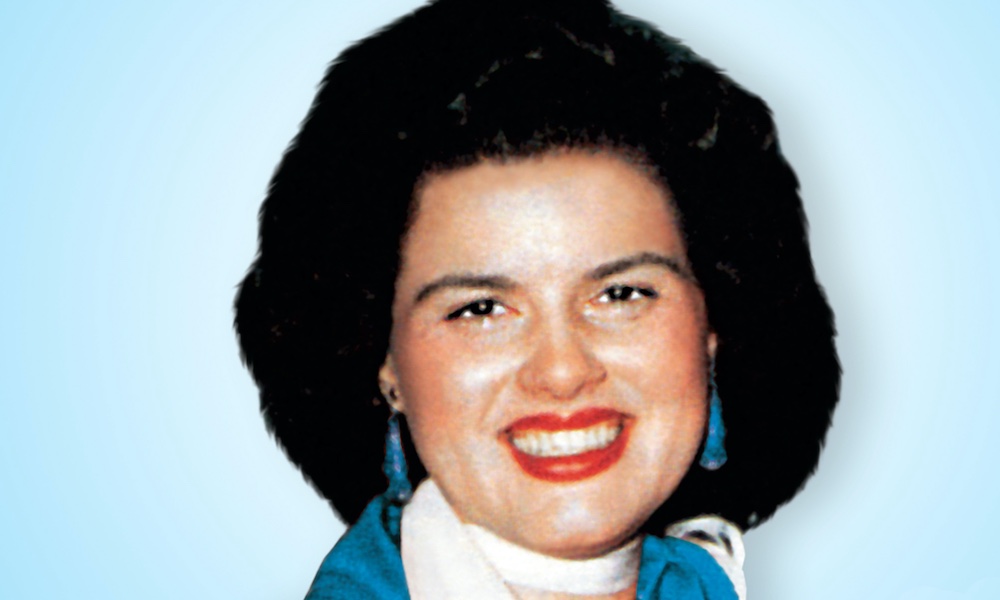
And yet the story does not end at the crash site. In many ways, that is where the legend began to take on a deeper national meaning. Britannica’s student reference notes that her life ended abruptly, but that her records continued to sell after her death, helping elevate her from star to enduring cultural figure. More recently, her legacy has continued to grow: newly released archival recordings have brought her voice back into public conversation more than sixty years after her passing, a reminder that great artistry can outlive even the most devastating ending.
That is why 63 Years Ago Today: Patsy Cline Dies in Plane Crash continues to resonate so powerfully. It is not only a reminder of a fatal accident. It is a reminder of what country music lost and what it still carries. Patsy Cline’s death remains one of the saddest chapters in the genre’s history, but her voice endures as proof that some artists do not disappear when they are gone. They remain in the songs, in the silence after the songs, and in the hearts of listeners who still recognize truth when they hear it.