Introduction

For decades, Margo O’Donnell has been known as one of Ireland’s most enduring country singers, a woman whose unmistakable voice helped open doors not only for herself but also for the younger brother she once tried so carefully to protect. Yet behind the applause, the dance halls, and a career that helped shape Irish country music lies a far more personal story—one involving family, heartbreak, regret, alcohol, faith, and ultimately recovery.
Perhaps the most moving admission of all is Margo’s acknowledgment that her greatest regret was never having children.
It is a remarkably vulnerable confession from a performer whose professional life has been filled with achievement. Music gave Margo an audience, independence, and a place in Irish entertainment history, but success could not replace every dream she once carried. Looking back, she has spoken openly about wishing she had become a mother and wondering how different life might have been had circumstances and social expectations been different during her younger years.
That honesty gives her story unusual emotional weight.
Margo came from a generation in which choices for women were often more restricted than they are today. She recalled that having a child outside marriage was simply not regarded as a realistic possibility in the world in which she grew up. A serious relationship ended painfully, leaving her heartbroken, while difficulties within the music business added further strain.
“My biggest regret is not having children,” is therefore more than a sentence about motherhood. It represents an entire chapter of possibilities that disappeared with time.
Margo has also connected that emotional pain with the period in which drinking became a destructive part of her life. The disappointment of a relationship ending, combined with professional frustrations and the pressures she experienced in the entertainment industry, left wounds that she struggled to understand at the time.
Rather than hiding that chapter, however, Margo has chosen to speak about it.
That decision may ultimately be one of the most important parts of her legacy.
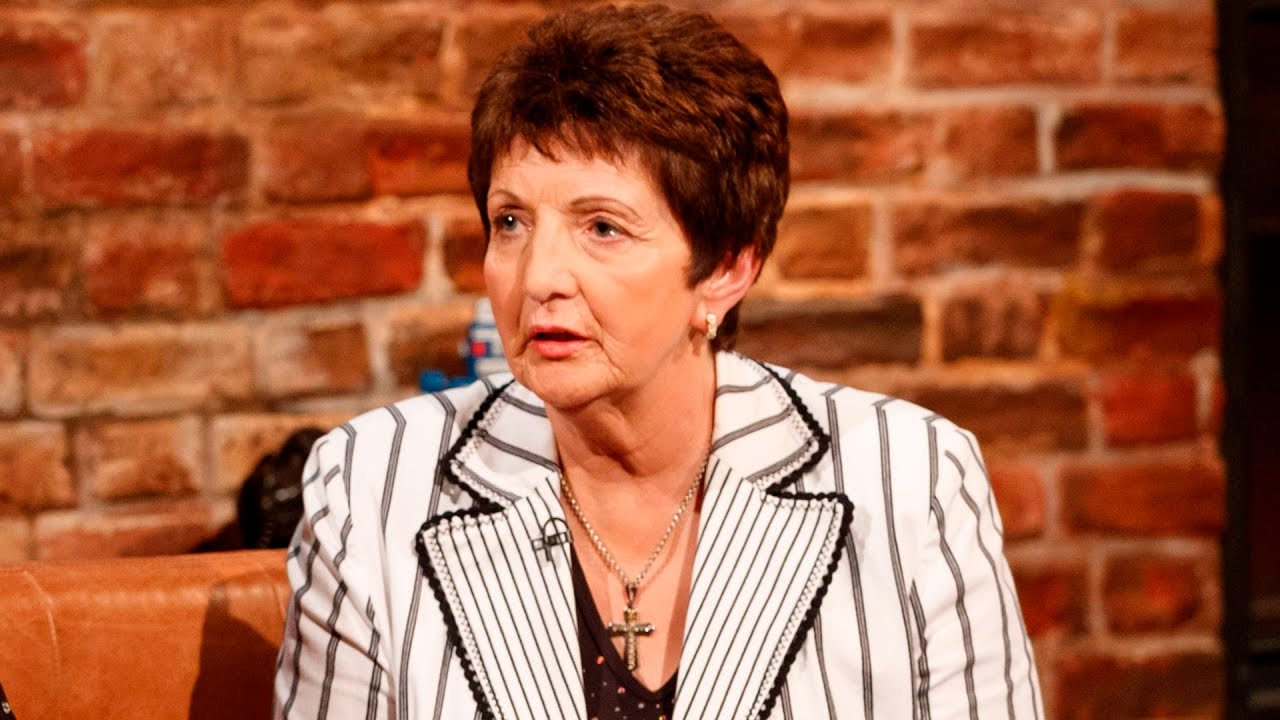
Her younger brother, Daniel O’Donnell, has said that while Margo’s music has brought happiness to countless listeners, her ability to emerge from adversity may have helped people in an even deeper way. To Daniel, her true triumph is not simply measured by recordings, television appearances, or crowded halls. It lies in the fact that she survived difficult years, confronted what was hurting her, sought help, and eventually found greater peace.
Their relationship adds another moving dimension to the story.
When Daniel was born in December 1961, Margo was ten years old. She remembered being delighted when their mother allowed her to help care for the new baby, almost thinking of him as her own little doll. That protective instinct remained with her long after childhood.
Years later, when Daniel announced that he wanted to become a singer, Margo was not immediately enthusiastic.
She knew how unforgiving the music business could be because she had already experienced its harsher side herself.
Margo recalled that there had been venues unwilling to book her simply because she was a woman. Instead of surrendering, she performed in halls surrounding those larger venues until her popularity became impossible to ignore. Eventually, the very places that had once rejected her had to reconsider.
Her concern for Daniel therefore came from experience rather than jealousy.
If he was determined to enter music, she wanted him close enough that she could protect him.
Daniel’s journey would eventually become very different. He found managers and business partners whom he trusted, people he felt treated him as a person before seeing him as a performer. Daniel himself has acknowledged that Margo travelled a much rougher road before him and that, in many ways, her experience helped create a clearer path for his generation.
There is something profoundly touching about hearing the two siblings discuss one another.
Margo speaks with enormous pride about Daniel, praising his warmth, principles, patience, and ability to make time for ordinary people. She sees in him qualities inherited from their parents, especially their mother Julia, remembered as a woman capable of speaking comfortably with almost anyone.
Daniel, meanwhile, refuses to define Margo by her hardest years.
Instead, he celebrates what she overcame.
That distinction matters.
It would be easy to turn Margo O’Donnell’s life into a story purely about regret. Yet that would miss the most important point. Her life is equally a story about what happens after regret—about learning that a painful past does not have to become the final description of a person.
Today, Margo can speak about the road she travelled with a degree of acceptance. She does not romanticize the difficult years, but neither does she allow them to erase everything that followed.
Her music remains part of her legacy, of course.
But there is another legacy as well: the courage to admit that fame does not protect anyone from loneliness, disappointment, or roads they later wish they had avoided.
For listeners who have grown older alongside Margo and Daniel O’Donnell, perhaps that is why this story resonates so strongly. Most people eventually discover that life contains both cherished memories and unanswered questions. There are choices we celebrate, opportunities we miss, people we lose, and dreams that remain unrealized.
What matters is what we make of the years that remain.

In that sense, Margo O’Donnell’s greatest achievement may not be one particular song at all. It may be the transformation Daniel speaks of so proudly: a woman who travelled through heartbreak and darkness, found the strength to face herself honestly, and emerged able to look back without allowing yesterday to control today.
And behind it all remains the bond between Margo and Daniel O’Donnell—two siblings shaped by the same family, the same Irish roots, and the same love of music, yet carried along remarkably different roads.
Their story reminds us that sometimes the most powerful legacy an artist leaves behind is not simply the music people remember.
It is the truth they finally find the courage to tell.