Introduction
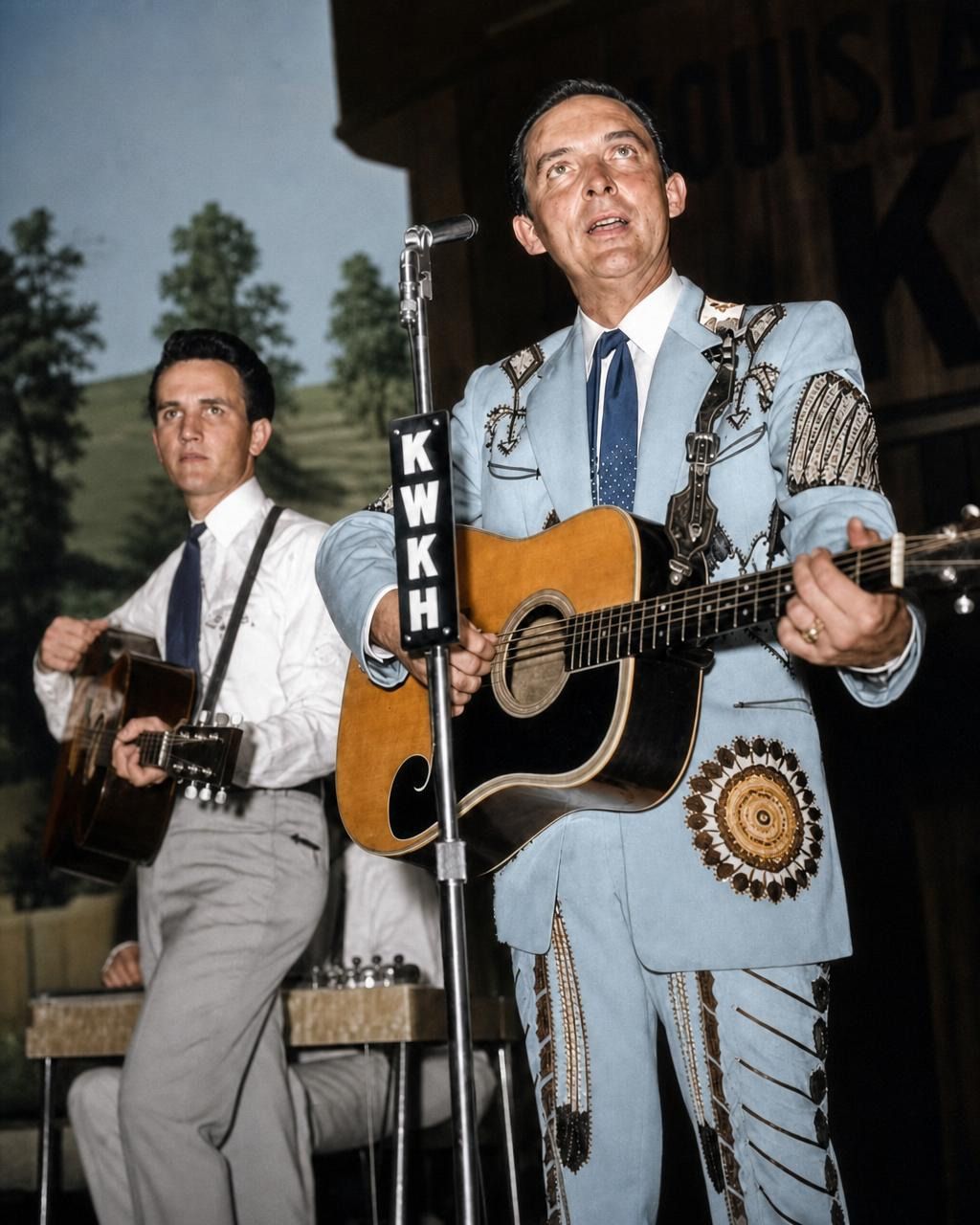
From a Stolen Guitar to the Ryman Shadows: The Strange Road That Made Roger Miller a Country Genius
HE STOLE A GUITAR AT 17 — AND THEY GAVE HIM A CHOICE: JAIL OR THE ARMY.
Roger Miller’s story never sounded like the beginning of a polished country legend. It sounded more like the first scene of a strange, restless American film — a gifted boy with too much music in his hands, too little direction in his life, and one reckless mistake that could have ended everything before it began. Long before the world knew him as the witty, wildly original voice behind some of country music’s most unforgettable songs, Miller was a teenager standing at the edge of trouble, forced to choose between punishment and discipline. He chose the Army, and that choice quietly redirected the course of his life.
There was always something unusual about Roger Miller. He did not fit neatly into the expected shape of a country singer. He was too clever to be ordinary, too restless to be predictable, and too naturally musical to be ignored. He could make a fiddle talk, turn a phrase sideways, and find humor where other writers only found sorrow. Even as a young man, he carried the kind of raw talent that could either save a life or ruin it, depending on where it landed.
The Army gave him structure, but music remained his true language. While stationed far from home, Miller found himself performing more than fighting, playing for soldiers who needed a piece of home in unfamiliar places. That experience mattered. It taught him that a song did not need a grand stage to reach people. Sometimes it only needed a room full of tired men, a familiar melody, and a musician willing to make loneliness feel lighter for a few minutes.
When he returned, Roger Miller did not take the safe road back to Texas. He went to Nashville in 1957 with little more than nerve, hunger, and songs no one had heard yet. His job as a bellhop at the Andrew Jackson Hotel might have looked like failure to anyone passing by. But in truth, it placed him close to the beating heart of country music — near WSM, near the Ryman Auditorium, near the people who could change his future if only he could make them listen.
And Miller did exactly that. He sang in elevators. He sang between floors. He sang to guests who had no idea they were hearing a future original. The “Singing Bellhop” was not just a charming nickname. It was proof of his determination. Every hallway became a rehearsal room. Every guest became an audience. Every shift became another chance to be noticed.
What makes this chapter so fascinating is that Roger Miller’s rise was not built on smooth timing or easy opportunity. It was built on persistence, mischief, humility, and a stubborn belief that his songs deserved daylight. His genius came from the very contradictions that shaped him — discipline and rebellion, comedy and sadness, country tradition and wordplay no one else could imitate.
That hotel did not make Roger Miller famous overnight. But it placed him close enough to the door of destiny to keep knocking. And once Nashville finally opened that door, country music discovered an artist unlike anyone it had ever heard before.