Introduction
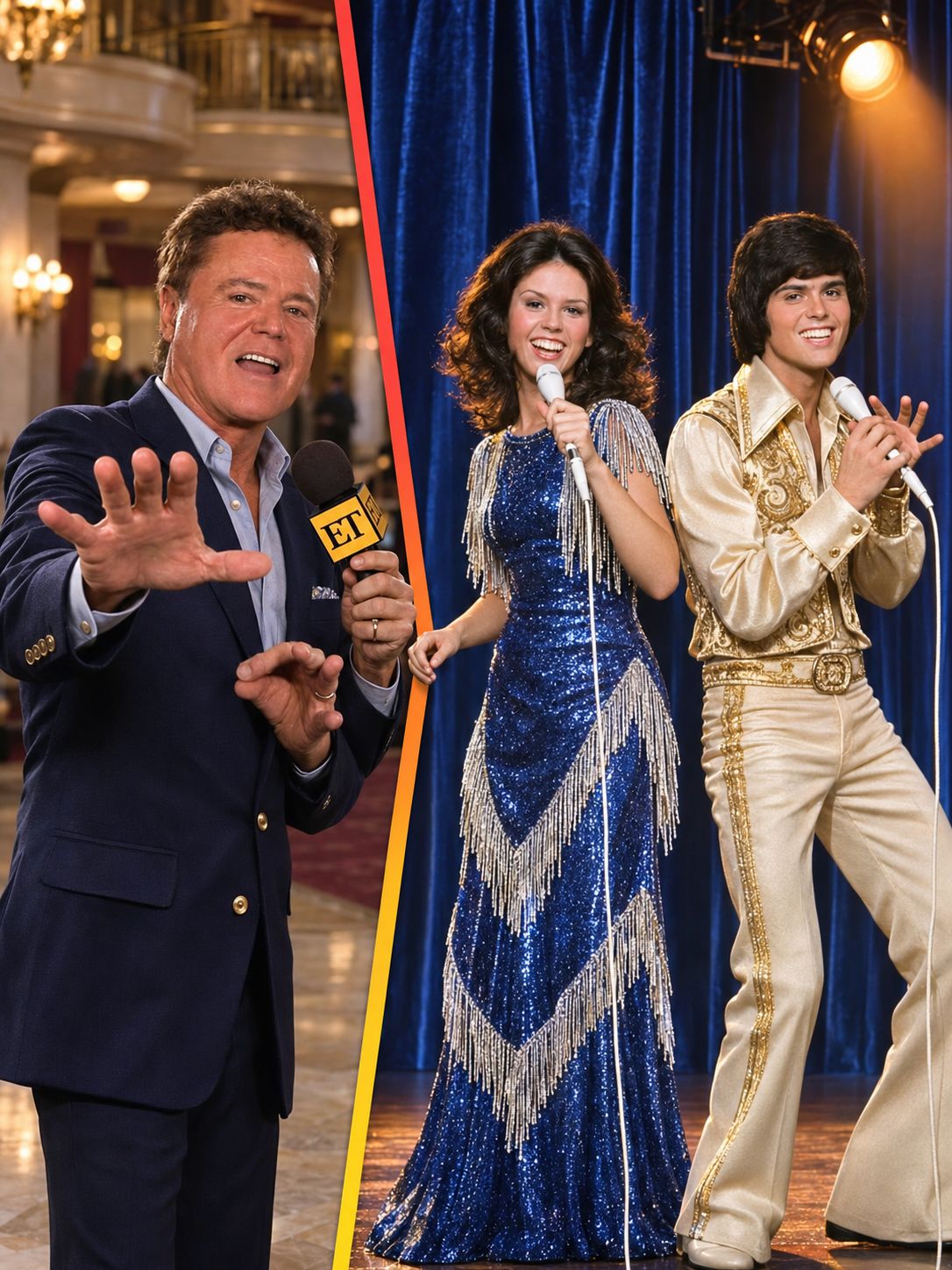
Still Loving Every Spotlight: Donny Osmond’s Warmhearted Reminder of What Makes Music Last
There is something reassuring about watching Donny Osmond talk about performing. The enthusiasm comes through before he has sung a single note. In this cheerful interview, filled with friendly teasing and affectionate memories, he offers a glimpse of the spirit behind his enduring connection with audiences. For listeners who remember gathering around the television for Donny and Marie, the familiar smile brings back an entire world of family entertainment. Yet the most engaging part of this conversation is how eagerly he looks toward what comes next.

The exchange begins with the playful suggestion of a “Donny and Danny show,” giving Osmond an opening for a joke about the names behind his famous television partnership. Imagining a less catchy alternative to Donny and Marie, he happily joins in the laughter. It is a small moment, but it reveals an essential part of his appeal: he understands that entertainment begins with making people feel welcome. Before the elaborate lighting, the choreography, or the carefully chosen closing number, there is that simple human connection.
The conversation then turns to Las Vegas, where Osmond describes the continuing pleasure of building and refreshing a stage show. Recalling that an engagement with his sister intended to last only weeks eventually stretched into eleven years, he conveys both amusement and gratitude. When discussing his solo production, his attention quickly moves toward changing songs and developing a new finale. Even while recalling past achievements, he sounds absorbed in the practical, creative question of how to give an audience another memorable evening.
For longtime music lovers, this may be the interview’s most revealing passage. A familiar song carries memories into the room, but a performer still has to bring it to life. Osmond’s desire to keep adjusting his presentation suggests respect for that responsibility. People may arrive hoping to revisit an earlier chapter of their lives; the performance must also give them something worth experiencing in the present.

Asked where his energy comes from, Donny Osmond gives an answer rooted in the joy of performing. He describes the transformation that happens when the curtain rises, the lights reach him, and he feels the audience responding. His explanation makes the exchange between singer and listener almost tangible. Anyone who has attended a concert and felt a room become attentive during a beloved melody will recognize what he means. The audience brings anticipation and memory; the artist answers with concentration, warmth, and commitment.
His enthusiasm for BTS, particularly “Butter,” adds another appealing dimension. Here is a performer closely associated with one generation’s musical memories speaking with open delight about a group cherished by another. His affection for the song’s bright, polished pop character fits naturally with his appreciation for energetic entertainment. When he imagines a collaboration between himself and BTS, the idea comes across as a musician’s happy curiosity about what different experiences might produce together.
The conversation also touches on The Osmonds and their place in the history of vocal groups. Although claims about the “original boy band” invite a broader historical discussion, the meaningful connection here is easy to hear: shared singing, coordinated performance, and the powerful loyalty of fans have linked popular groups across generations.
Ultimately, this interview offers an inviting introduction to Donny Osmond’s enduring appeal. His humor remains easy, his gratitude feels personal, and his interest in music continues to reach beyond his own catalog. For those who grew up with his voice, there is real pleasure in discovering that the excitement they remember still shines through whenever he talks about stepping onto a stage.