Introduction
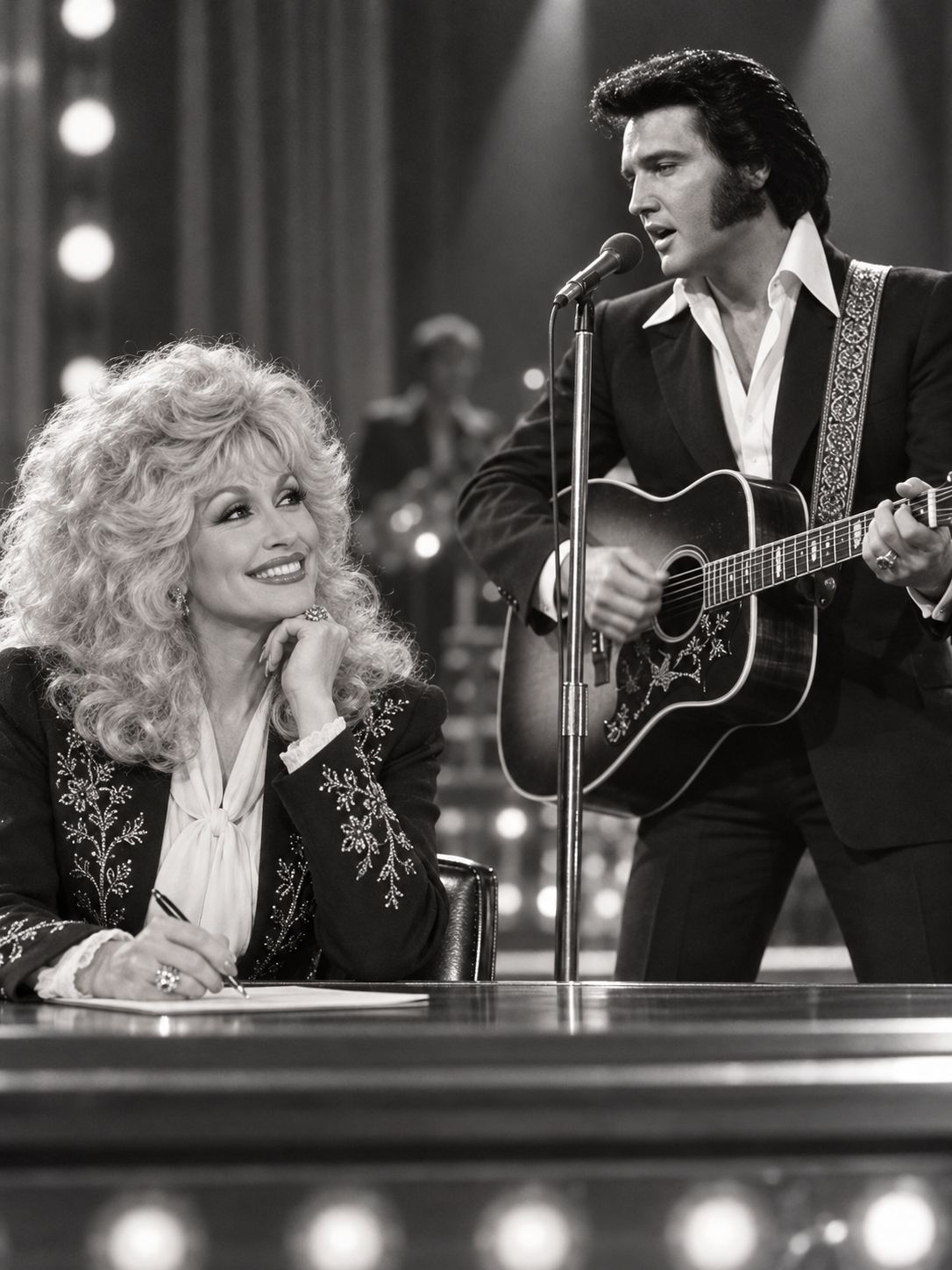
Some of the most compelling stories in American music concern performances that never happened. A microphone remains unused, a recording session falls through, and listeners are left imagining what might have been. The connection between Dolly Parton, Elvis Presley, and “I Will Always Love You” belongs to that remarkable category—a story whose emotional weight comes from a difficult decision rather than a surprise entrance beneath television lights.
For anyone who has treasured both artists, the possibility is irresistible. Imagine Elvis approaching Dolly’s tender ballad with that unmistakable voice: the warmth in his lower register, the measured phrasing, and the ability to make a familiar melody sound deeply personal. It is easy to understand why the prospect meant so much to its songwriter. Yet imagination must remain distinct from history. In her published interview with Interview magazine, Parton acknowledged that she never met Presley, while explaining that he had wanted to record her song.
The television revelation worth revisiting came through Dolly’s own account of the proposed recording. Speaking with Dan Rather on The Big Interview, she described being invited to the session and receiving a telephone call from Colonel Tom Parker, Presley’s manager, the day before. According to Parton, Parker required at least half the song’s publishing interest as a condition of Elvis recording it. Faced with that request, she declined to proceed.
That decision gives the story its lasting power. For a songwriter, a composition represents more than a few minutes of melody. It can hold years of observation, private disappointment, and the hard-earned confidence to speak plainly. To have an artist of Presley’s stature embrace such a song would have been an extraordinary compliment. Protecting its ownership nevertheless required Dolly to look beyond the immediate excitement.
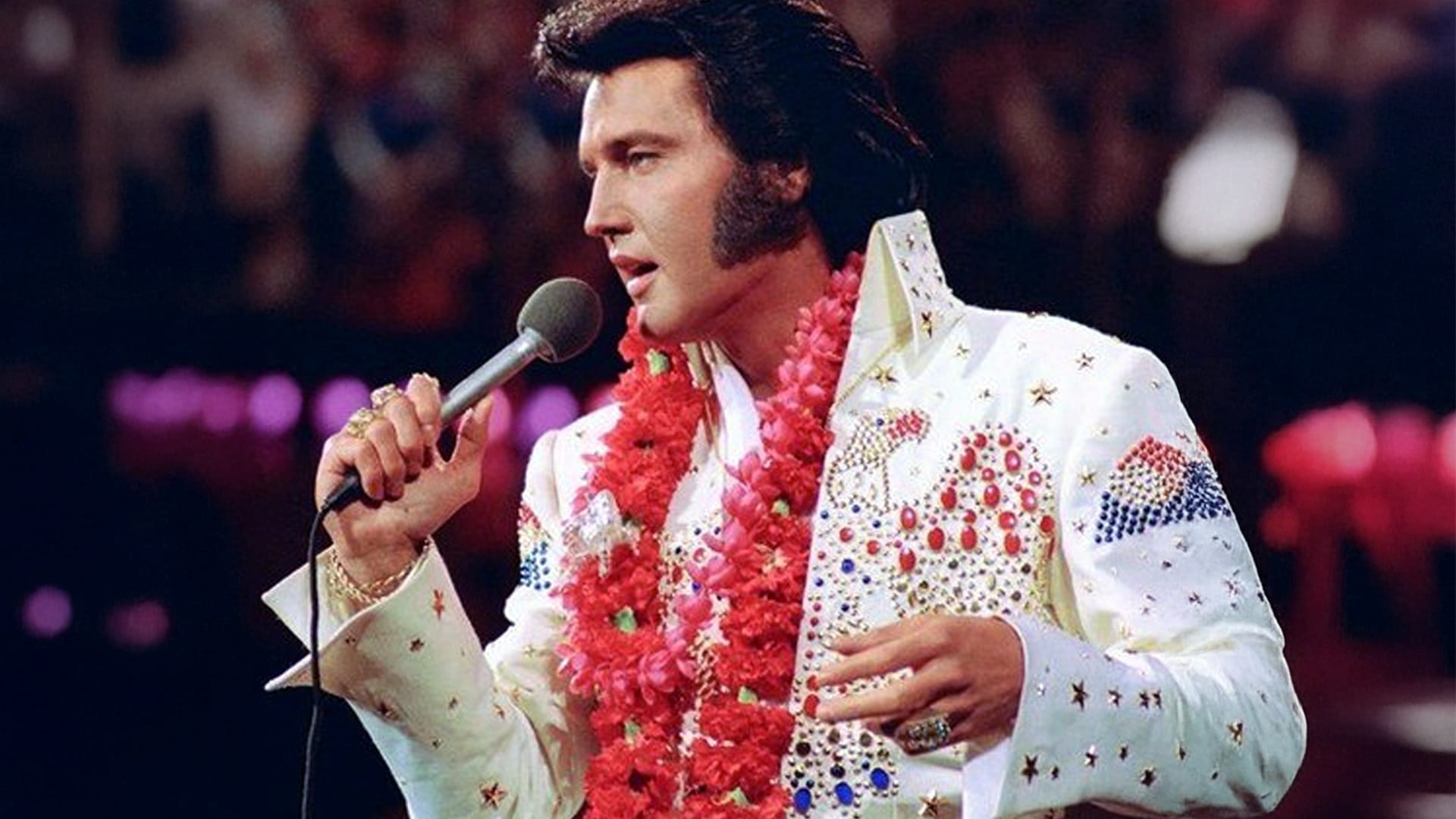
Listen to “I Will Always Love You” with that understanding, and its quiet strength becomes even more affecting. The song expresses affection without demanding that another person stay. Its emotional generosity leaves room for departure, gratitude, and dignity. For older listeners who have experienced changing friendships, grown children leaving home, or the end of a cherished chapter, that combination can feel profoundly familiar.
Musically, the composition invites interpretation because its central feeling is so clear. A singer can approach it with restraint or build toward a larger emotional release, yet the melody still asks for sincerity. Imagining Elvis singing it is therefore more than an exercise in celebrity nostalgia. His gift for shaping a ballad makes the unrealized recording an intriguing artistic possibility.
Still, the absence of that performance allows us to hear something equally valuable: the conviction behind Dolly’s gentle public manner. Her account reveals a musician capable of admiring another artist while making a difficult choice about her own work. There is a mature lesson in that balance, especially for anyone who has learned that an exciting opportunity can carry a lasting cost.
No dramatic stage encounter is needed to make this story memorable. Dolly Parton and Elvis Presley remain connected through a song, an opportunity, and a decision that listeners continue to consider decades later. Put on “I Will Always Love You,” let its unhurried emotion settle, and the unanswered musical question becomes part of its fascination: what might that remarkable voice have found inside those remarkable words?