Introduction
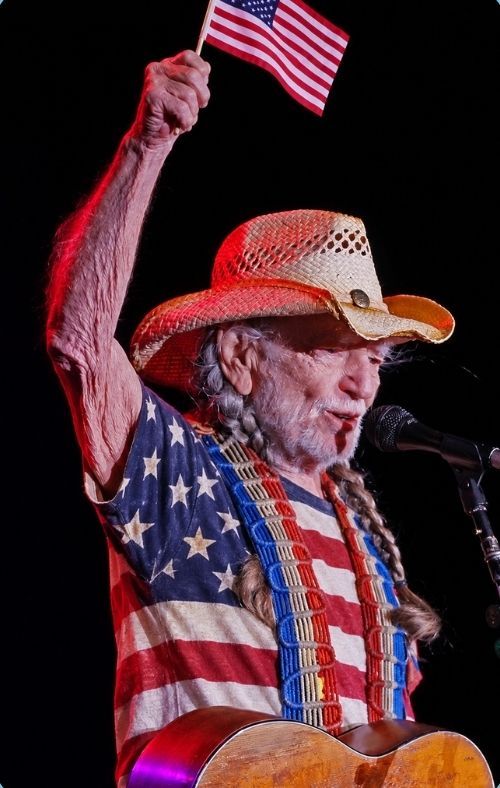
There are voices we recognize before a song has properly begun. Willie Nelson’s is one of them: weathered, conversational, and unmistakably his own. His singing often feels less like a performance delivered from a distance than a story shared across a kitchen table. That familiarity helps explain why his public statements attract attention even when the subject moves beyond records, concerts, and the enduring pleasures of country music.
A video published through Gina Hinojosa’s campaign channels carries the title “Willie Nelson Endorses Gina Hinojosa.” Its accompanying message includes the phrases “We’re one month out from Election Day,” “Listen to Willie,” and “Vote for change this year.” These are campaign statements rather than a song title or verified lyrics, an important distinction for anyone approaching the clip as a musical release. The material presents Nelson’s support for a candidate, using his recognizable name and presence to introduce a political message.
From a music critic’s perspective, the interesting question is how an artist’s voice acquires meaning outside the songs themselves. Nelson’s appeal has never depended solely on vocal power. Much of it rests in phrasing: the unhurried entrance, the unexpected pause, the way a familiar melody can seem newly considered rather than merely repeated. His performances invite listeners to pay attention to ordinary words. In a different setting, that same familiarity can make a short spoken statement especially noticeable.
Yet recognition and agreement remain separate matters. Listeners may admire Willie Nelson’s music while responding differently to his political choices. Some will welcome the endorsement; others will disagree; still others will regard it as incidental to the recordings they cherish. None of those responses erases the musical relationship. A song can retain its place in someone’s life without requiring that person to adopt every position expressed by its singer.
The campaign wording also illustrates the difference between musical storytelling and political communication. A song can leave its central questions unresolved, allowing memory, regret, or hope to linger. A campaign message generally works toward a specific response. Here, the invitation to listen leads directly into an appeal for electoral change. Recognizing that purpose allows readers to consider the material clearly, without confusing promotional language with independent reporting or artistic interpretation.
For anyone encountering the endorsement through a music page, careful presentation matters. The available campaign posts establish how the endorsement is being publicized. They do not, by themselves, justify inventing a concert setting, an emotional audience reaction, or a detailed account of Nelson’s remarks. Nor should the phrase about being one month from Election Day be detached from its original posting context and treated as a permanently accurate description.
Ultimately, “Willie Nelson Endorses Gina Hinojosa” offers a subject for examining the relationship between artistic recognition and public advocacy. The musician’s familiar presence brings attention to the message, while the audience retains its own judgment about the candidate and the issues. For music lovers, the lasting point of interest is the reach of that voice: how something first encountered in a recording can become part of a much broader public conversation.