Introduction
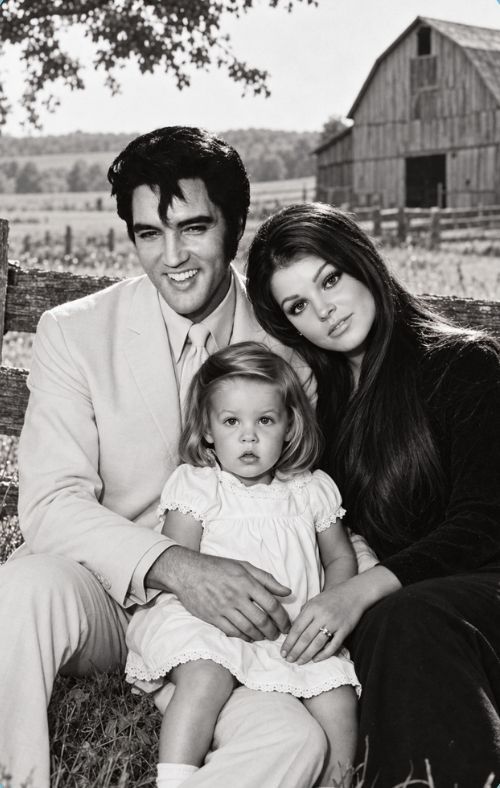
For those who grew up listening to Elvis Presley, his voice can still bring an entire chapter of life back into focus. A familiar recording begins, and suddenly an old living room, a long journey, or someone dearly remembered feels close again. Yet the man behind that extraordinary voice remains harder to understand. Photographs preserve the smile. Concert recordings capture the electricity. The memories of people who worked inside Graceland offer something different: a glimpse of the everyday life surrounding an artist whose public image became larger than any person could comfortably inhabit.
Nancy Rooks, who worked as Elvis’s cook and maid, occupies a distinctive place in that history. Her memoir, Inside Graceland: Elvis’ Maid Remembers, was published in 2005 and describes her years working for him between 1967 and 1977. Her perspective comes from the household rather than the recording studio or the concert stage. That distinction matters, because a home reveals aspects of a person that an audience rarely sees.
The attached account draws much of its emotional force from ordinary details: meals prepared around unusual hours, familiar household routines, and brief exchanges that become precious when remembered after a loss. Such moments invite us to imagine the distance between Elvis the entertainer and Elvis the man at home. A performer may command a room through sheer presence, yet still depend on the simple comfort of familiar surroundings and people who understand his habits.
For older listeners, this may be the most meaningful way to approach his story. Experience teaches us that a life cannot be understood through its most dramatic moment alone. Neither success nor sorrow tells the whole story. The same care should guide our reading of memories about Elvis. Affectionate recollections can illuminate his character, but they should not automatically be treated as evidence for every claim made by a later narrator.
The transcript’s suggestion of a previously undisclosed final confession therefore deserves caution. It presents striking remarks without clearly identifying the original recording or providing enough information to establish their authenticity. A thoughtful introduction can acknowledge the emotional questions raised by that account without turning uncertain quotations into historical fact. Nancy Rooks’s published memories already provide a substantial reason to listen; their value does not depend on the promise of a hidden revelation.
From a musical perspective, these household memories encourage a closer appreciation of the humanity listeners hear in Elvis’s voice. His phrasing often gives a song the feeling of a personal conversation. A pause, a softened line, or a note held with unusual tenderness can draw attention away from the celebrity and toward the emotion of the performance. We need not assume that every lyric describes his private circumstances to recognize the sincerity his singing could convey.
That is why stories from behind Graceland’s doors continue to hold our attention. They invite us to consider the person whose recordings accompanied so many other lives. They also remind us to listen with both sympathy and judgment, respecting the difference between a documented memory and an appealing speculation.
The lasting power of Elvis Presley’s legacy lies partly in that unfinished encounter between voice and listener. We return to the records knowing more about life than we did when we first heard them. Familiar songs acquire new weight, and the singer seems closer, even while parts of his story remain beyond our reach. Nancy Rooks’s place in that story offers a quieter doorway into remembrance—one grounded in the daily work of a household and the enduring wish to understand the man who called it home.