Introduction
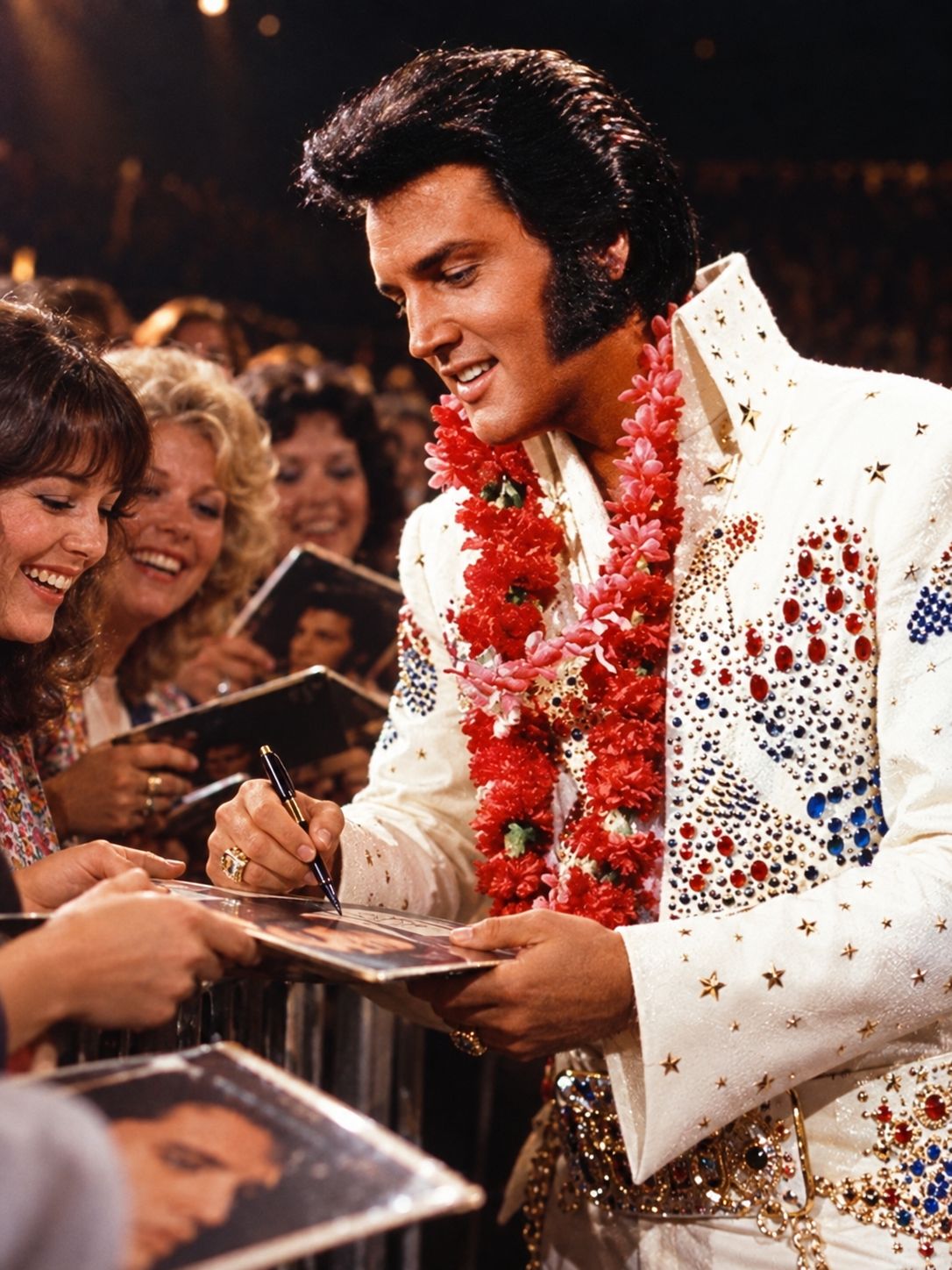
For those who grew up listening to Elvis Presley, his voice carries memories that feel almost personal: a favorite record playing in the living room, a first dance, a familiar gospel melody on a quiet Sunday. That sense of closeness helps explain why stories about his private life still stir such powerful feelings. We want to understand the man behind the music. Yet the desire to know him raises an uncomfortable question: How much of another person’s life are we entitled to hear?
The people who entered Elvis’ inner circle occupied an extraordinary position. They witnessed the ordinary hours surrounding an extraordinary career—the waiting, the traveling, the conversations after the excitement had faded. Their recollections can help listeners see a human being where publicity once presented an almost untouchable star. But when private experiences become material for books and interviews, the relationship between friendship, memory, and money becomes difficult to untangle. A story may preserve something valuable while also revealing something its subject would have preferred to keep private.
There is an important historical distinction here. The controversy surrounding accounts from Elvis’ associates did not begin only after his death. Elvis: What Happened?, associated with former bodyguards Red West, Sonny West, and Dave Hebler, was published in 1977 before he died. That chronology matters because it complicates the suggestion that every revealing account emerged only when Elvis could no longer respond. en.wikipedia.org Nevertheless, the larger ethical question remains: when someone has been welcomed into a private world, what responsibilities accompany the decision to describe it publicly?
For a thoughtful reader, the answer requires more than choosing between loyalty and betrayal. Being paid for a recollection does not automatically make it false. Affection does not guarantee an accurate memory, either. People remember the same conversation differently; disappointment can influence interpretation, and hindsight can make an uncertain moment appear inevitable. An insider’s account is a perspective, not a complete portrait. It deserves consideration, but it also deserves scrutiny.

Fairness requires listening to how the storytellers explain themselves. Hebler, for example, has described the controversial book as an attempt to encourage Elvis to recognize his problems and seek help. That is his stated explanation; readers can weigh it without treating it as either proof of pure intentions or an admission of betrayal. Dave Hebler The unidentified claim in the supplied passage—that one man acknowledged a financial motive—also needs a named, verifiable source before it can responsibly support a judgment about any particular individual.
For music lovers, perhaps the deepest concern is what happens when these accounts begin to overshadow the work itself. Elvis’ recordings invite close attention to phrasing, restraint, rhythmic confidence, and emotional expression. A tender passage or a forceful vocal entrance offers something that gossip cannot: direct evidence of his artistry. Private history may enrich our understanding, but it should not become the only lens through which we hear him.
The haunting question—“Where is his tell-all?”—expresses the imbalance that surrounds a deceased public figure. Others can continue interpreting his actions while he cannot answer their later claims. His absence, however, cannot settle every disagreement in his favor or theirs. What it asks of us is care.
Elvis Presley’s legacy deserves that care: curiosity tempered by judgment, sympathy accompanied by evidence, and an appreciation of the music that brought us to him in the first place. The most revealing question may be less about which secret remains untold than whether telling it helps us understand a life—or merely gives us another reason to look.