Introduction
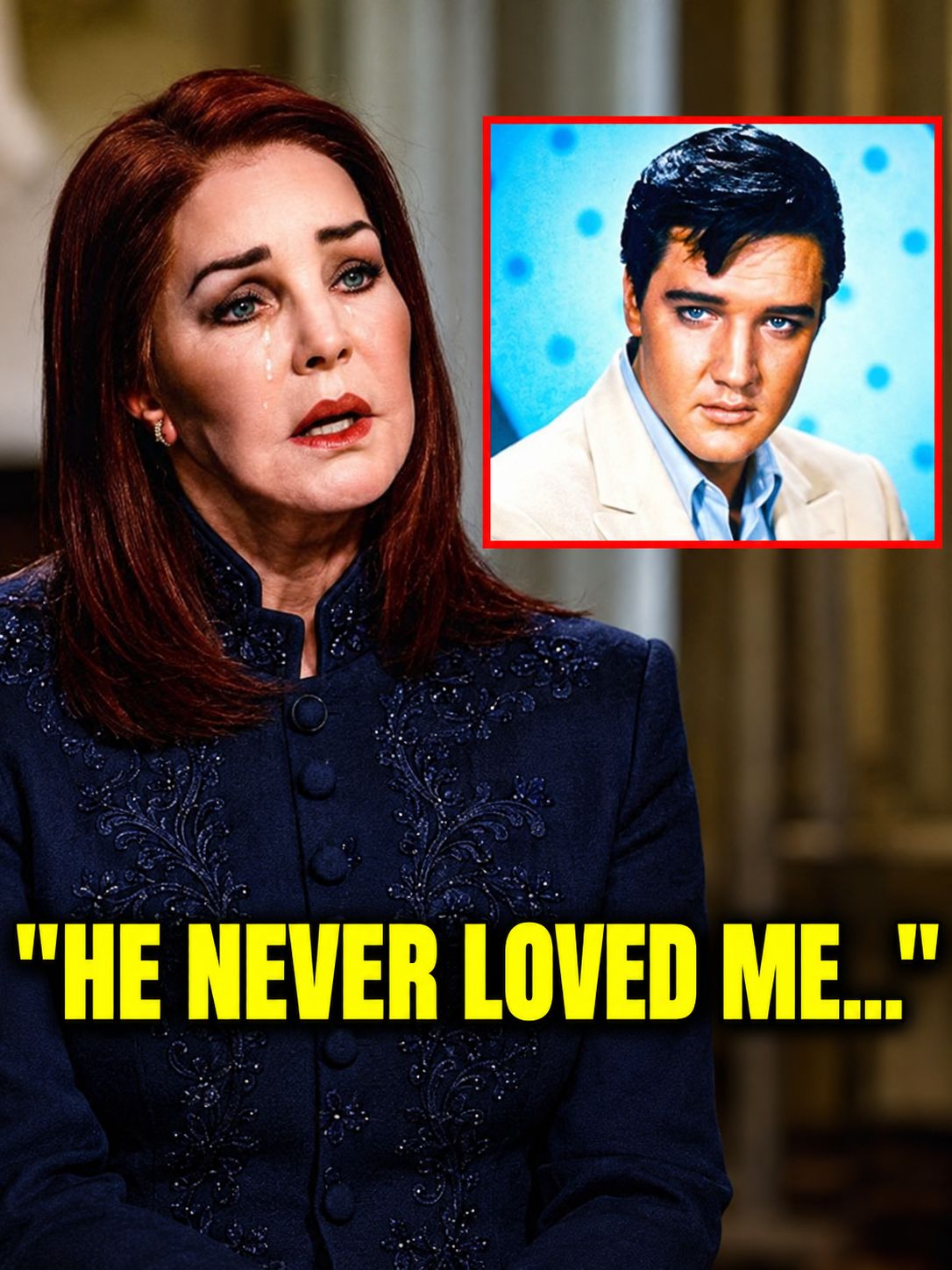
WHY PRISCILLA PRESLEY LEFT ELVIS—AND WHY THEIR GOODBYE WAS NEVER SIMPLE
For generations of listeners, Elvis Presley has been the voice accompanying life’s most unforgettable moments: a first dance, a long drive home, a quiet evening when an old record brings everything back. Yet behind that extraordinary voice stood a private life that could never fit neatly into a love song. Few people understood that contrast more closely than Priscilla Presley, whose reflections on their marriage reveal a story more complicated—and more human—than any dramatic headline can suggest.
The most revealing part of Priscilla’s account is the distinction she has drawn between loving someone and being able to remain married to them. In remarks reported from her 2016 appearance on Loose Women, she explained that her decision to leave did not mean she had stopped loving Elvis. Their divorce became final in 1973, and they continued sharing responsibility for their daughter, Lisa Marie Presley. Those facts offer a more thoughtful starting point than the suggestion that one newly revealed secret explains everything.
For readers who remember Elvis at the height of his fame, that distinction carries particular weight. Audiences saw the handsome performer, heard the remarkable voice, and watched a man who seemed capable of commanding any room. A marriage, however, requires something different from applause. It depends on ordinary companionship, room for two people to grow, and a sense that each person’s life matters beyond the expectations surrounding them. Fame can make those simple needs surprisingly difficult to protect.
Priscilla’s public recollections have described the difficulty of that life while also acknowledging the friendship that survived it. In a 2025 account of her comments, People reported that she regarded their married life as unhappy for her, even though they maintained a close relationship after separating. It is a reminder that affection and disappointment can exist within the same memory. One does not automatically erase the other.
Perhaps the most memorable image of their separation is also the least suited to a sensational headline: Elvis and Priscilla leaving their divorce hearing hand in hand. That documented moment cannot tell us everything they felt. Nevertheless, it gives their story an enduring tenderness. The marriage had ended, but the gesture suggested a connection that legal paperwork alone could not fully describe.
For music lovers, this history may deepen the experience of hearing Elvis’s reflective ballads. His performances invite listeners to consider longing, regret, devotion, and the distance between what people hope for and what life allows. Those themes should not be treated as direct evidence about his marriage; a singer’s interpretation is not a private confession. Still, they help explain why audiences continue bringing their own memories to his music.
Ultimately, Priscilla Presley’s story deserves room for complexity. Her decision to leave can be understood alongside the care she continued to express. For older listeners who have lived through difficult choices of their own, that may be the most recognizable truth here: a relationship can change its shape without losing every trace of the love that once sustained it.