Introduction
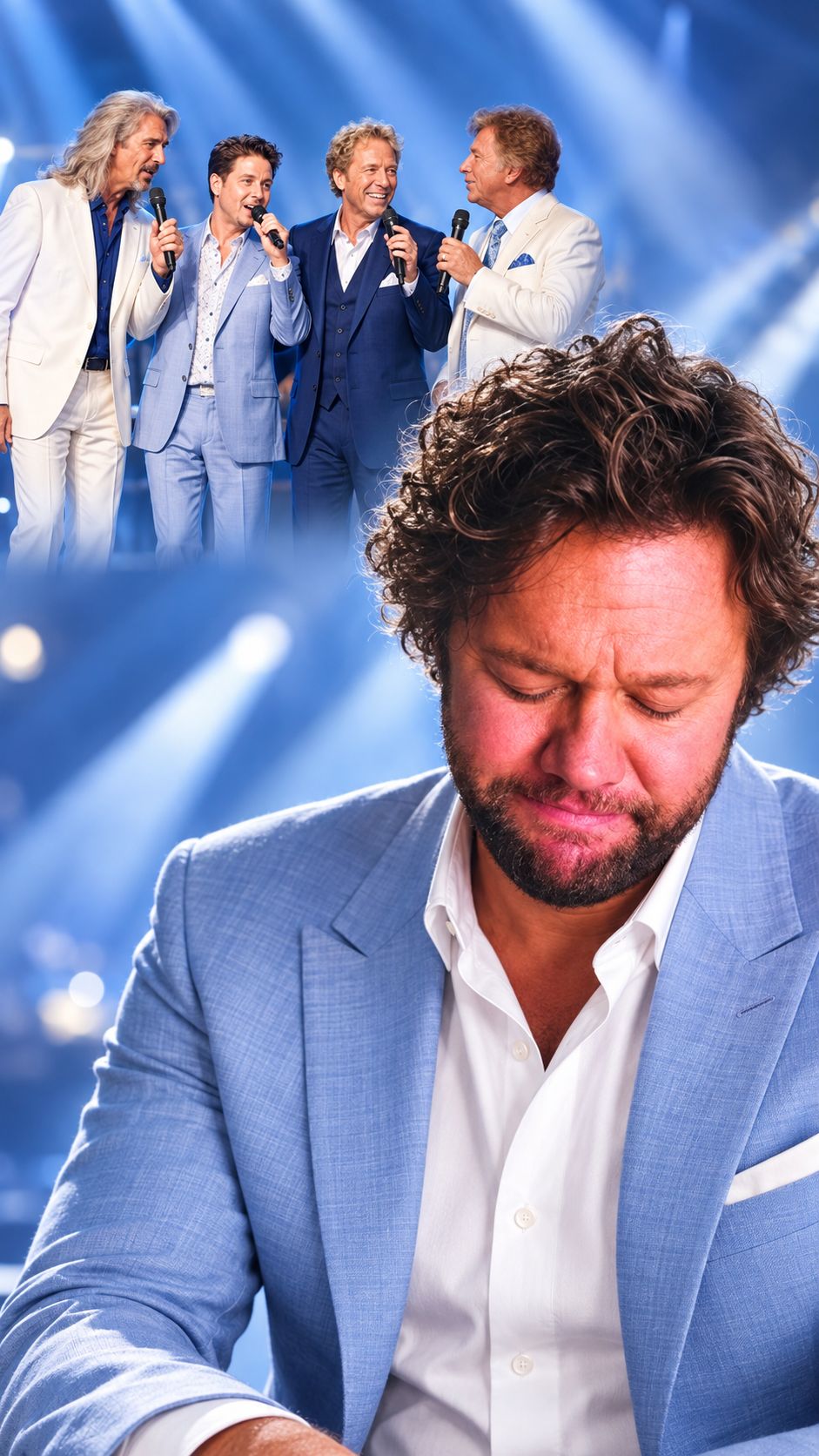
Beyond the High Notes: What David Phelps’ Own Words Reveal About His Remarkable Voice
For listeners who first encountered David Phelps through the Gaither Vocal Band, the memory often begins with a moment of astonishment. A familiar gospel melody would rise toward its final refrain, and suddenly his voice would lift the room with it. Those ringing upper notes became part of the pleasure of hearing him sing. Yet beneath the excitement was something that mattered just as much: the feeling that he believed the message he was delivering.
That history helps explain why a headline such as “At 56, David Phelps Finally Confesses What Has Changed — His Voice Is Not the Same” attracts attention. When a singer’s voice has accompanied our Sunday afternoons, Christmas gatherings, and quiet moments of prayer, we listen with both affection and expectation. However, an arresting headline deserves careful examination, especially when it suggests a confession that the available interview does not establish.
Phelps offered a revealing observation in his 2012 interview with BroadwayWorld: “the voice is like any other muscle.” His discussion concerned warming up, continuing to study, and approaching singing with the discipline of a professional athlete. He spoke about working with a voice teacher and finding ways to meet musical challenges. Read in context, those remarks reveal a serious craftsman caring for his instrument; they do not establish that he had lost his celebrated upper register.
There is also a distinction worth making about his years with the Gaither Vocal Band. Although his connection with gospel audiences stretches across decades, his membership consisted of two periods: 1997–2005 and 2009–2017. Those years helped establish a musical identity that listeners still recognize immediately, but describing them as almost thirty continuous years in the group would give the wrong impression.
For an attentive listener, the more rewarding question reaches beyond whether a particular performance contains the highest note remembered from an older recording. How does the singer shape a phrase? Where does he allow the words to breathe? Does a quiet passage carry conviction before the arrangement builds? These are musical judgments that deserve patient listening. A single clip, separated from its setting, offers too little evidence for a sweeping verdict about an entire voice.
His approach to training adds useful perspective. A teacher who shared a September 2017 masterclass with Phelps recalled his explanation that classical study provided a foundation for developing a more conversational contemporary sound. That account suggests deliberate artistic choices supported by technique. It also reminds us how much preparation may stand behind a performance that sounds effortless to the audience.
The 2025 Lift Your Voice Tour, featuring Phelps alongside Selah and comedian Mickey Bell, provides another chapter in that continuing work. An October 24 engagement placed him onstage shortly after his fifty-sixth birthday. The event listing documents his continued performing activity, although it cannot, by itself, settle questions about changes in his range.
Perhaps that is where this story becomes most meaningful for those who have listened for years. We can treasure the thrilling recordings that first drew us to David Phelps while giving each later performance the attention it deserves. Faith, musical discipline, and the communication of a song offer more to consider than a contest between yesterday’s highest note and today’s. His own words invite us to hear the work behind the gift—and to appreciate the care required to keep sharing it.