Introduction
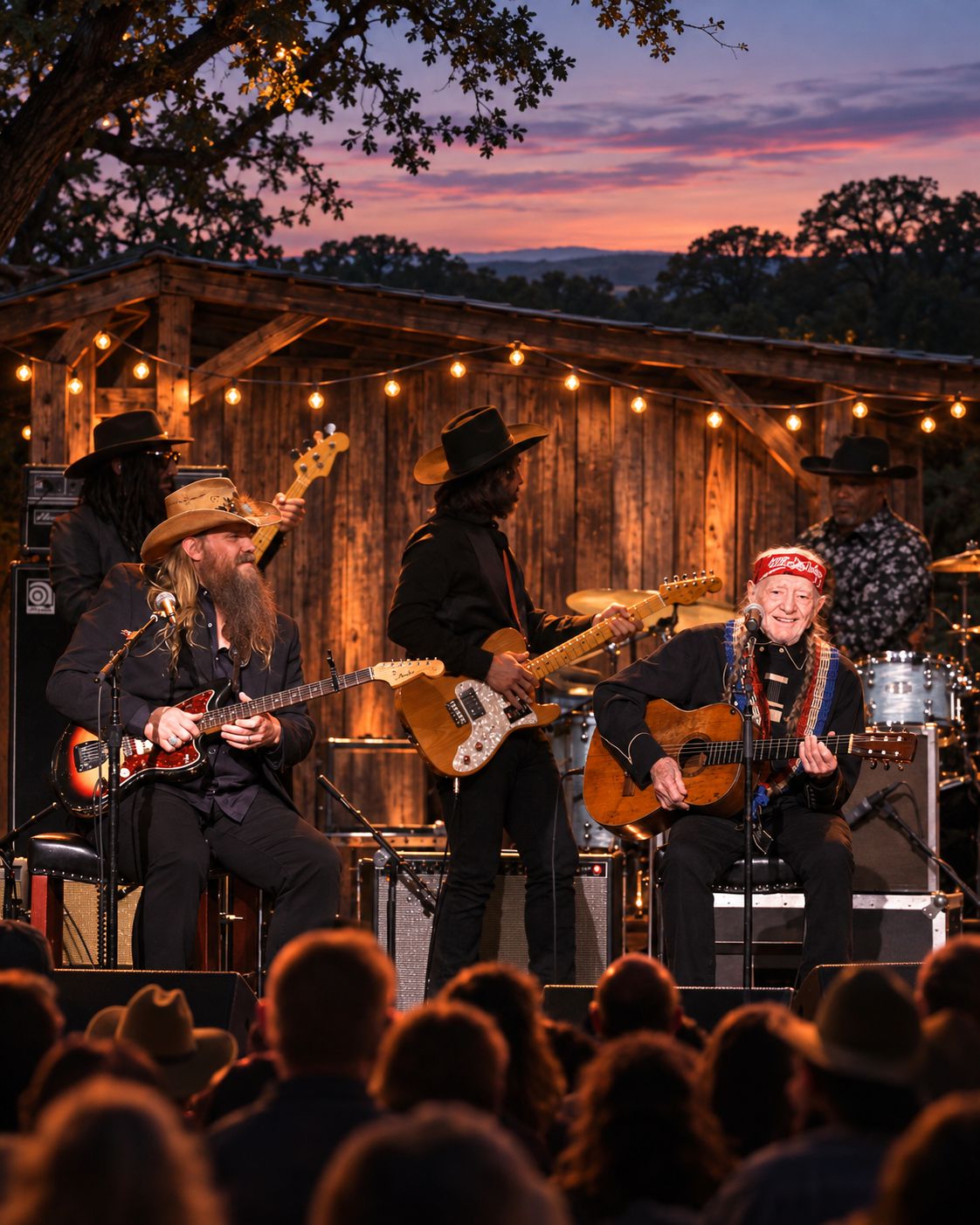
There comes a time when courage takes on a quieter meaning. After enough disappointments, difficult goodbyes, and mornings when getting out of bed requires determination, a person begins to understand what strength really costs. The words “I Am Not Afraid,” repeated throughout these lyrics, carry the weight of that understanding. They sound like something learned along the way: a declaration earned through experience, sustained by faith, and made possible by the decision to keep moving forward.
The song’s emotional appeal begins with its familiar landscape. An old dirt lane, worn boots, birds singing after the rain, and a weathered porch swing place the listener in a world where ordinary things hold lasting significance. These images belong naturally to the storytelling tradition of country and gospel music, where a road can represent a lifetime and a porch can become the place where wisdom passes from one generation to another. For listeners who appreciate songs with something thoughtful to say, this setting offers an inviting doorway into a deeper reflection.
One of the most affecting ideas in the lyrics is the image of carrying regret like stones. It gives an almost physical shape to something many people know well. We carry decisions we wish we had made differently, words we never managed to say, and questions that years have failed to settle. Against that burden, the song introduces the possibility of grace. Its invitation to carry faith suggests that the traveler can continue without allowing every old sorrow to determine the weight of the next step.
The encounter with the older man on the porch gives this message a human voice. His presence brings patience into a song filled with movement: roads unfolding, seasons turning, and storms arriving. The wisdom associated with him feels appropriate to the setting because it grows from observation and endurance. Readers who have watched parents or grandparents face hardship may recognize that kind of authority—the reassuring steadiness of someone who has lived long enough to understand how much a heart can withstand.
The recurring rain and sunlight imagery also gives the refrain its emotional strength. Darkness passes into morning; a storm leaves birdsong behind. These familiar changes in nature offer the narrator a language for hope. Each return to the central declaration becomes more meaningful because the verses have supplied reasons for believing it. The speaker has known grief, found friendship, accepted help, and discovered comfort in modest things.
Especially moving is the passage that considers a tired voice and weakening hands. Here, the song makes room for the realities of growing older while preserving a sense of purpose. The desire to let the spirit sing when the voice becomes tired will resonate with anyone who has felt the distance between what the body can manage and what the heart still wishes to give.
Ultimately, these lyrics find their deepest reassurance in honest love, peaceful nights, family wisdom, and enduring faith. A front porch light and an old guitar become symbols of a life rich in belonging. By the closing declaration, “I Am Not Afraid” feels less like a passing burst of confidence and more like a settled conviction. The road remains uncertain, but the traveler has found something dependable to carry: the belief that life still holds meaning, that grace remains available, and that another step is worth taking.