Introduction
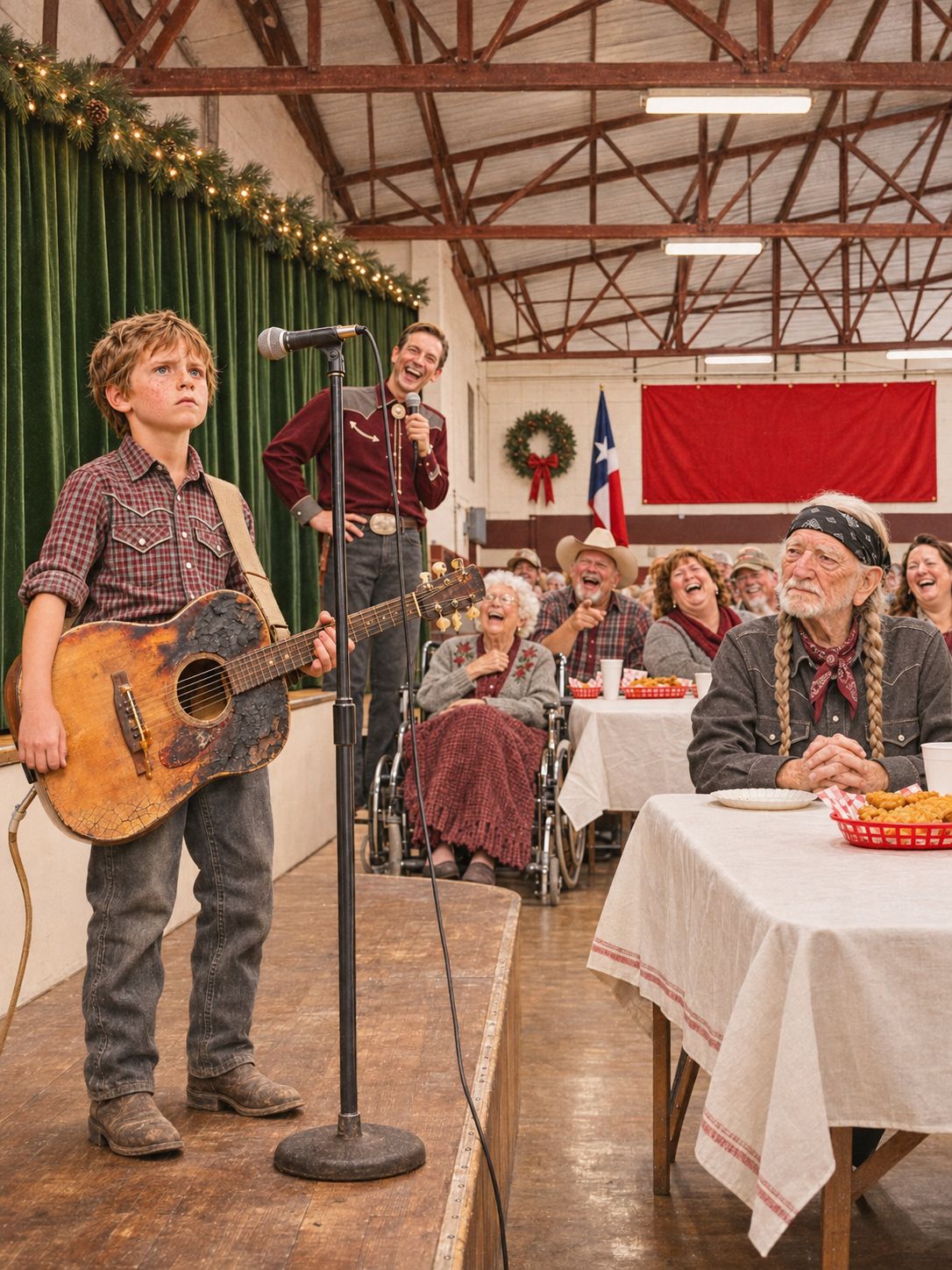
A broken-down bus on a Texas farm road is an unlikely place for a country song to find the accompaniment it needs. But that is where the narrated story “A Texas Band Lost Its Guitarist Hours Before Showtime — Then Willie Nelson Walked Off a Broken Bus” begins. Up the road, a young band called Ruby Creek is about to play the biggest show of its life. Its lead guitarist has had to leave for a job offshore, a radio programmer is coming to record the set, and lead singer Josie Calhoun still has to walk out and sing. The song she chooses to open with is “Kitchen Table Hymn,” a piece she wrote for her mother.
Anyone who has ever played a Saturday night dance will recognize the stakes. When a guitarist drops out, the band loses someone who knows how to lead into the chorus, when to fill a silence, and what to do if the singer holds a line a little longer than usual. Those decisions come from playing together night after night. A substitute might know every chord and still miss the moment when the singer needs a little room. In the story, that is precisely what makes the stranger with the old nylon-string guitar such an intriguing choice.
The stranger is Willie Nelson, though Josie first knows him simply as Will. As the narration describes it, his guitar answers her in the spaces between lines. That detail gets at something listeners have long recognized in Nelson’s music. He has a way of making the space around a phrase feel as deliberate as the phrase itself. Here, the soft response of the guitar lets Josie linger over a word or take a breath before beginning the next line. You can imagine how different that must feel to a singer who has carried the song alone at her kitchen table, long before she had an audience for it.

For Josie, the title “Kitchen Table Hymn” is personal. The story places her at that table before dawn, writing before the day’s chores begin. It also follows her to her mother’s grave, where she talks about the chance to have the song heard on the radio. Those two scenes give the opening performance its weight. By the time she steps up to the microphone, we understand why she wants someone to hear this particular song, and why she might have trouble getting through the first verse.
There is a lovely change of scale when Josie’s nine-year-old brother, Danny, joins in for “On the Road Again.” He knows the words from hearing the song on the radio in his father’s truck, and he has to stand on tiptoe to reach the microphone. Where “Kitchen Table Hymn” asks the room to listen closely, the encore gives a boy the chance to sing at the top of his lungs. The two moments belong together. One shows how a song written in private can hold the attention of a crowded hall. The other shows how a familiar song can make a child feel that the stage has room for him, too.